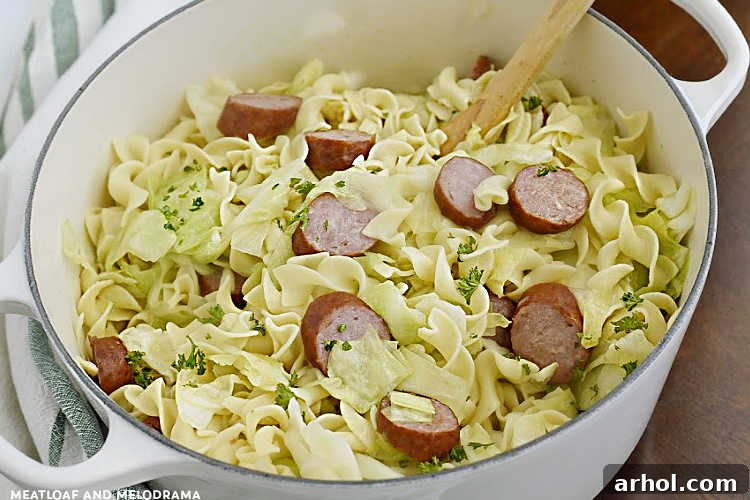
Discover the Ultimate Comfort: Haluski and Kielbasa (Cabbage and Noodles)
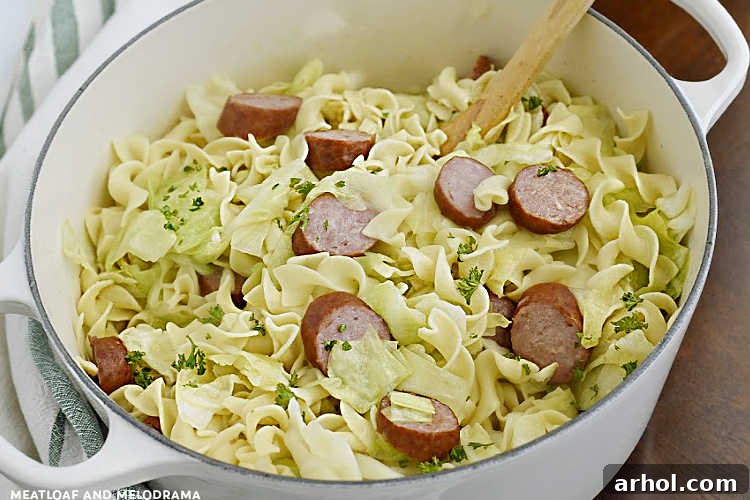
There are few dishes that evoke the heartwarming feeling of comfort food quite like Haluski and Kielbasa. This incredibly simple yet profoundly satisfying meal, often referred to as “cabbage and noodles,” brings together tender, buttery egg noodles, perfectly fried cabbage, and savory smoked sausage in a symphony of flavors. It’s a true culinary hug, especially cherished in places like Pittsburgh, where it holds a special place in the hearts and on the tables of many families. Whether you grew up eating it or are discovering it for the first time, this dish promises a delightful and easy dinner experience that’s rich in tradition and taste.
What Exactly is Haluski? A Glimpse into Eastern European Roots
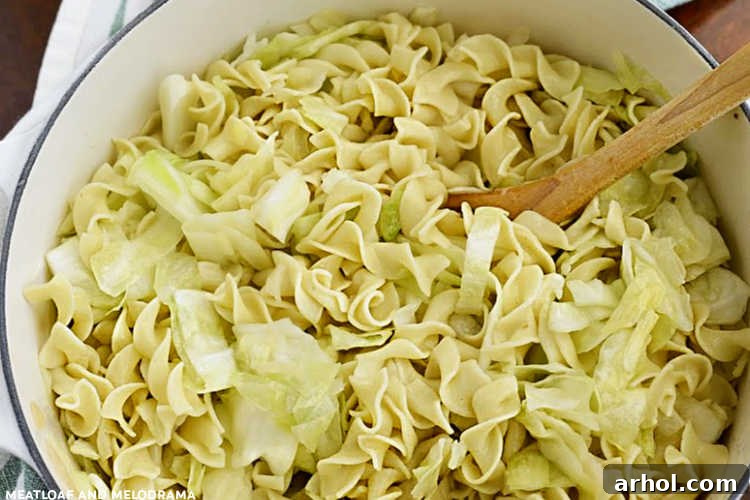
At its core, Haluski is a humble dish typically consisting of pan-fried chopped or shredded cabbage and onions, mixed with egg noodles and generously coated in butter. The simplicity of its ingredients belies the depth of flavor it achieves. Some cooks might start by rendering bacon for its flavorful grease, while others opt for olive oil, but one ingredient almost always remains constant: butter—and usually, a lot of it! This golden ingredient is key to Haluski’s rich, comforting texture and taste, binding the elements together into a cohesive, delectable whole.
For many, Haluski isn’t just food; it’s a taste of home. My family hails from Pittsburgh, a city renowned for its strong Eastern European heritage, and I fondly recall growing up with Haluski as a staple. Traditionally, especially within Eastern European communities, it’s often served as a meatless dish for observances like Holy Supper on Christmas Eve or throughout Lent. It stands proudly alongside other beloved family recipes, such as homemade pierogi, as a true culinary treasure passed down through generations.
The Heart of the Recipe: Cabbage, Noodles, and Butter
The magic of Haluski lies in the transformation of a few basic ingredients into something extraordinary. The star components—cabbage, egg noodles, onions, and butter—each play a vital role. Fresh green cabbage, when thinly sliced and fried, develops a sweet, slightly tangy flavor and a satisfying texture. The onions caramelize beautifully, adding a layer of aromatic sweetness. Egg noodles, known for their tender and absorbent qualities, soak up all the buttery goodness and savory notes from the vegetables and meat.
And then there’s the butter. It’s not just a cooking fat; it’s an essential flavor enhancer that creates a luscious “sauce” when combined with the pan juices and softened onions. While some variations may introduce bacon fat for an extra layer of smoky richness or olive oil for a lighter touch, the liberal use of butter is what truly gives classic Haluski its distinctive, irresistible character. Choosing quality ingredients, even for such a simple dish, can elevate the final result, ensuring every bite is as delicious and comforting as possible.
Traditional Roots and Modern Adaptations of Haluski
Like many deeply rooted ethnic recipes, the precise origin of Haluski is a topic of friendly debate. Culinary historians often link it to various Eastern European cultures, with claims stemming from Slovak, Polish, Ukrainian, Russian, and Rusyn traditions. The term “Halusky” in Slovakia, for example, typically refers to soft potato dumplings, often served with bryndza (a sheep milk cheese) and bacon. However, the version beloved in American households, particularly in regions with a strong Eastern European immigrant presence like Pittsburgh, usually features wide egg noodles instead of homemade potato dumplings.
My grandmother and mother, following the tradition common in their Pittsburgh kitchens, consistently opted for readily available egg noodles, a practice I continue to this day. This adaptation makes the dish incredibly accessible and quick to prepare, contributing to its widespread appeal beyond its original ethnic boundaries. While you might call this the “traditional Pittsburgh version,” you certainly don’t need to trace your roots to Eastern Europe or the Steel City to appreciate the simple, hearty goodness of fried cabbage and noodles. It’s a dish that transcends borders, offering universal comfort.
Crafting Your Perfect Haluski with Kielbasa: A Step-by-Step Guide
Preparing Haluski with Kielbasa is remarkably straightforward, making it an ideal choice for a satisfying weeknight meal. The process begins with sautéing your aromatics and building foundational flavors. In a large frying pan or Dutch oven, start by melting a generous amount of butter or a blend of butter and olive oil. Once shimmering, add finely chopped yellow or white onions and cook them gently until they become translucent and fragrant, releasing their natural sweetness. This step is crucial for developing a rich flavor base for the entire dish.
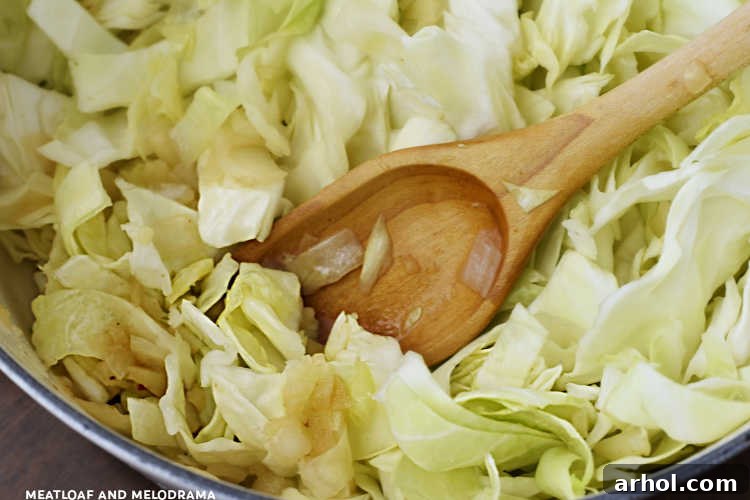
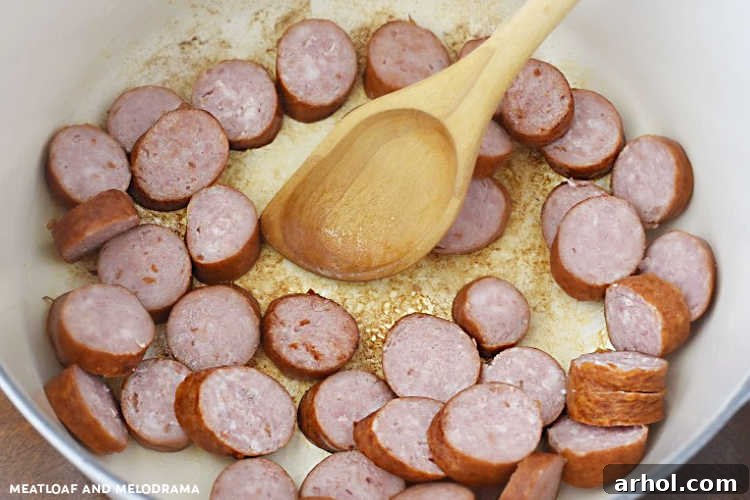
Next, introduce the sliced kielbasa. Cook the sausage until it develops a beautiful golden-brown sear, which not only enhances its flavor but also renders some of its fat, adding more richness to the pan. Once browned, remove the kielbasa and set it aside, reserving it to be folded back in later. This prevents the sausage from overcooking and ensures it remains tender. Now, it’s the cabbage’s turn. Add your roughly chopped cabbage to the same pot, allowing it to cook down until it softens. You’ll be amazed at how much a head of cabbage reduces in volume, so don’t fret if the pot seems full at first. I personally prefer my cabbage to retain a slight crunch, but feel free to cook it longer for a softer texture, catering to your preference.
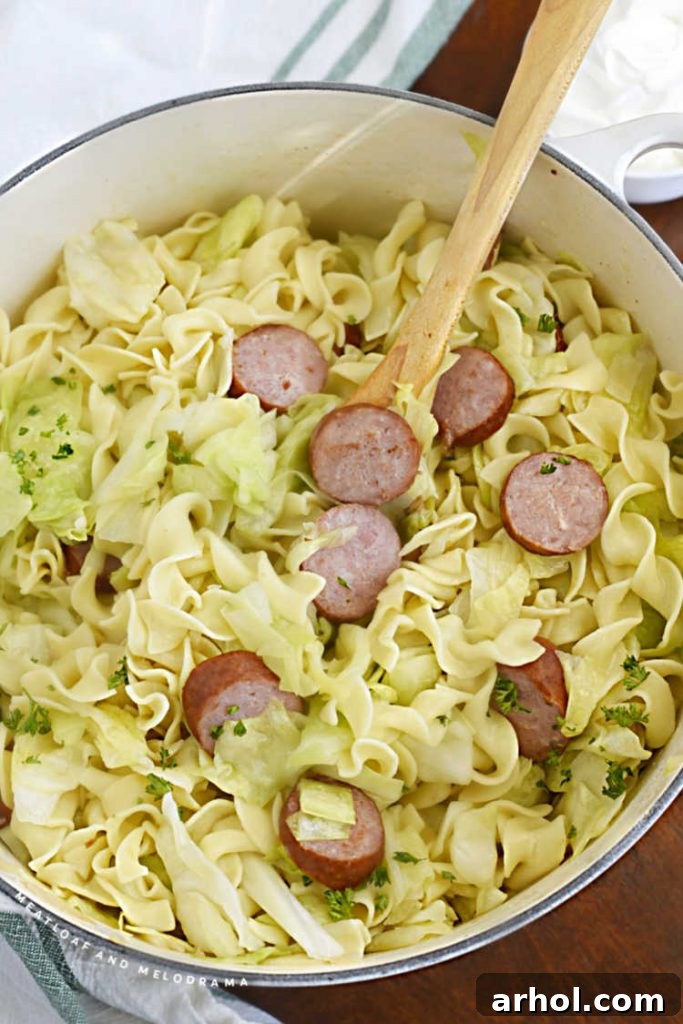
Finally, it’s time to bring in the egg noodles. These can be cooked beforehand in salted water until just al dente, drained, and rinsed. Alternatively, you can use the same large pot to cook them after the cabbage, saving on washing. When combining the noodles with the cabbage and onions, be lavish with your butter additions. I confess, when I make Haluski, a whole stick of butter is not uncommon! This extra butter, along with the caramelized onions, creates a silky, flavorful coating that prevents the noodles from drying out and acts as a delectable sauce. Stir in the reserved kielbasa, ensuring everything is thoroughly heated and coated. A final seasoning with salt and freshly ground pepper, adjusted to your taste, will complete this comforting masterpiece.
Serving Suggestions: What to Pair with Haluski and Kielbasa
Haluski and Kielbasa is a meal robust enough to stand on its own, yet it pairs wonderfully with several traditional accompaniments. While the original Haluski is often enjoyed as a meatless dish, my family, like many others, found joy in serving it alongside simple fish or fish sticks, especially during Lenten seasons. Of course, the addition of smoky kielbasa complements the sweet cabbage and savory noodles perfectly, elevating it to a truly satisfying main course.
To add a creamy, tangy dimension, consider serving Haluski with a dollop of sour cream or cottage cheese on the side. Don’t knock it until you’ve tried it—this combination provides a delightful contrast that many find incredibly tasty! Fresh or frozen peas, stirred in during the final minutes of cooking or served alongside, add a touch of color and sweetness. For a complete Eastern European-inspired feast, offer slices of Polish or Russian rye bread to sop up any remaining buttery goodness. A crisp green salad can also provide a refreshing balance to the rich, hearty flavors of the dish.
Haluski and Kielbasa Recipe: Your Easy Go-To Comfort Meal
Haluski and Kielbasa (Cabbage and Noodles)
By: Dee
Haluski and Kielbasa, cabbage and noodles, is a super easy dinner made with buttery egg noodles, fried cabbage and smoked sausage. Pittsburgh comfort food!
Prep Time: 15 minutes
Cook Time: 25 minutes
Total Time: 40 minutes
Servings: 10
Equipment
- Dutch oven
Ingredients
- 12 ounces egg noodles
- ½ cup Butter for frying (1 stick)
- 1 yellow or white onion chopped
- 1 pound kielbasa cut into thin slices
- 1 Head of cabbage washed and roughly chopped
- salt and pepper to taste
Instructions
- Boil the egg noodles in salted water until just al dente, drain, rinse and set aside.
- In a large frying pan or Dutch oven, melt 1 to 2 tablespoons butter or oil, and cook onions until soft.
- Add the kielbasa, and cook until just browned. Remove to a plate, cover, and set aside.
- Add the cabbage, and cook until slightly soft.
- Mix in the egg noodles, adding butter as you go, and cook until warm and heated through. Stir in cooked kielbasa, and add more butter, if needed.
- Season with salt and pepper, to taste.
Notes
- You can leave out the kielbasa for traditional haluski.
- Serve with sour cream or cottage cheese and/or peas.
Nutrition (approximate per serving)
Calories: 387kcal, Carbohydrates: 31g, Protein: 13g, Fat: 24g, Saturated Fat: 11g, Cholesterol: 85mg, Sodium: 502mg, Potassium: 361mg, Fiber: 4g, Sugar: 4g, Vitamin A: 394IU, Vitamin C: 35mg, Calcium: 59mg, Iron: 2mg
Nutrition information is automatically calculated, so should only be used as an approximation.
Additional Info
Course: Main
Cuisine: American, European American, Russian
Pro Tips for the Best Cabbage and Noodles
To ensure your Haluski and Kielbasa turns out perfect every time, consider these pro tips. First, don’t overcrowd your pan when frying the cabbage; if necessary, cook it in batches to allow it to brown slightly rather than steam. Second, aim for al dente noodles, as they will continue to cook slightly when mixed with the hot cabbage and butter. Overcooked noodles can become mushy. Third, be generous with your butter—it’s the secret to the dish’s signature richness and helps create a wonderful coating. Finally, taste and adjust your seasoning throughout the cooking process, ensuring the salt and pepper levels are just right. Leftovers store well in an airtight container in the refrigerator for 3-4 days and can be easily reheated on the stovetop or in the microwave.
Like this? Leave a comment below!
Explore More: Delicious Haluski Variations
While the classic Haluski and Kielbasa is a timeless favorite, there are many ways to adapt this versatile dish to suit your preferences or dietary needs. For those who appreciate the convenience of modern kitchen appliances, an Instant Pot Cabbage and Noodles recipe offers a quick and easy alternative, streamlining the cooking process significantly. If you’re looking to cut down on carbohydrates or prefer a low-carb option, you can easily prepare Fried Kielbasa and Cabbage by simply omitting the noodles altogether, allowing the savory sausage and tender cabbage to shine. You can also experiment with adding other vegetables like carrots or bell peppers, or even different types of smoked sausage to customize the flavor profile. These variations ensure that everyone can enjoy the comforting essence of Haluski in a way that best fits their lifestyle.