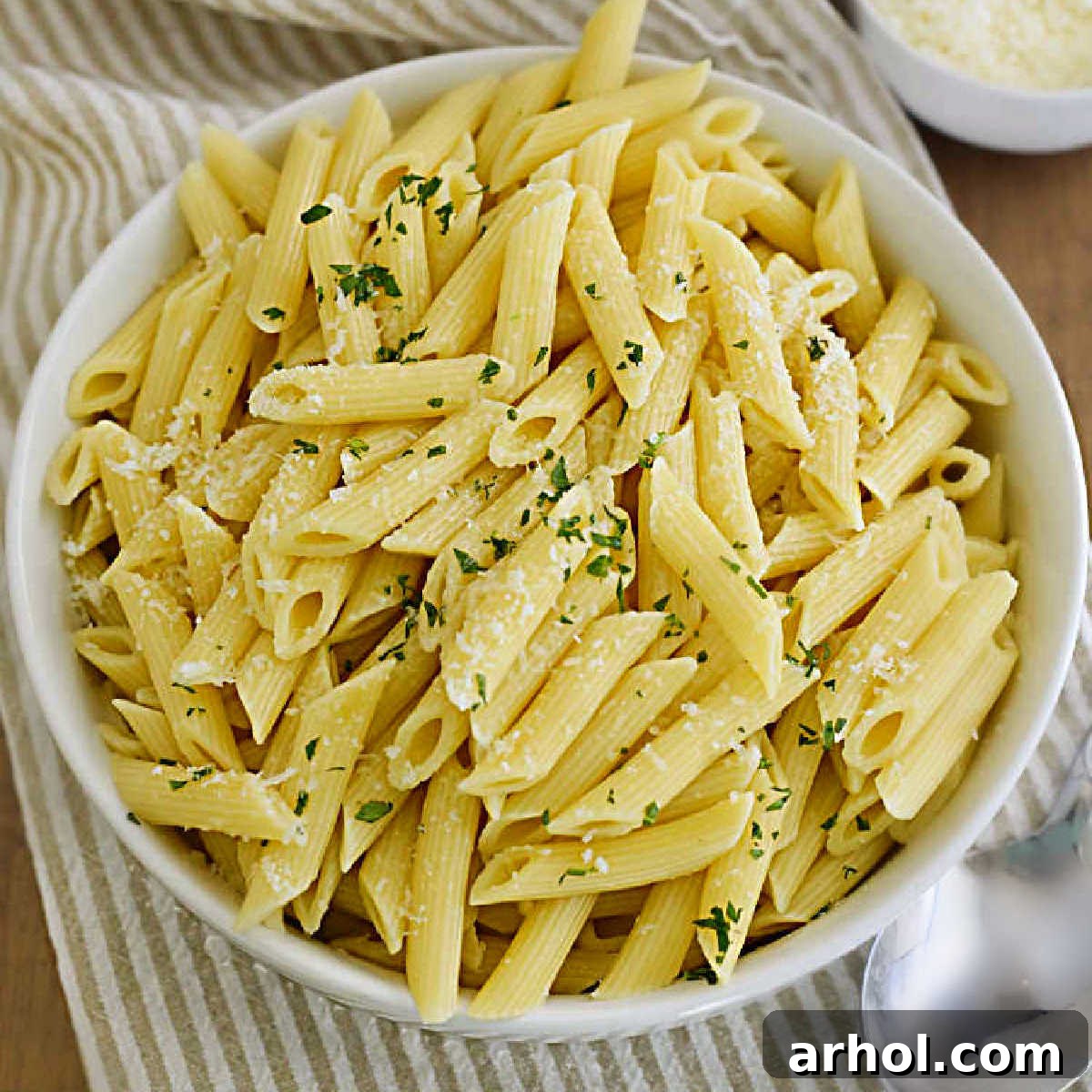
Unlock the secret to effortlessly perfect pasta with your Instant Pot electric pressure cooker! This comprehensive guide provides an incredibly easy, three-ingredient recipe for cooking plain pasta that consistently delivers fantastic results. Say goodbye to boiling pots and sticky messes – your Instant Pot is about to become your new best friend for pasta nights.
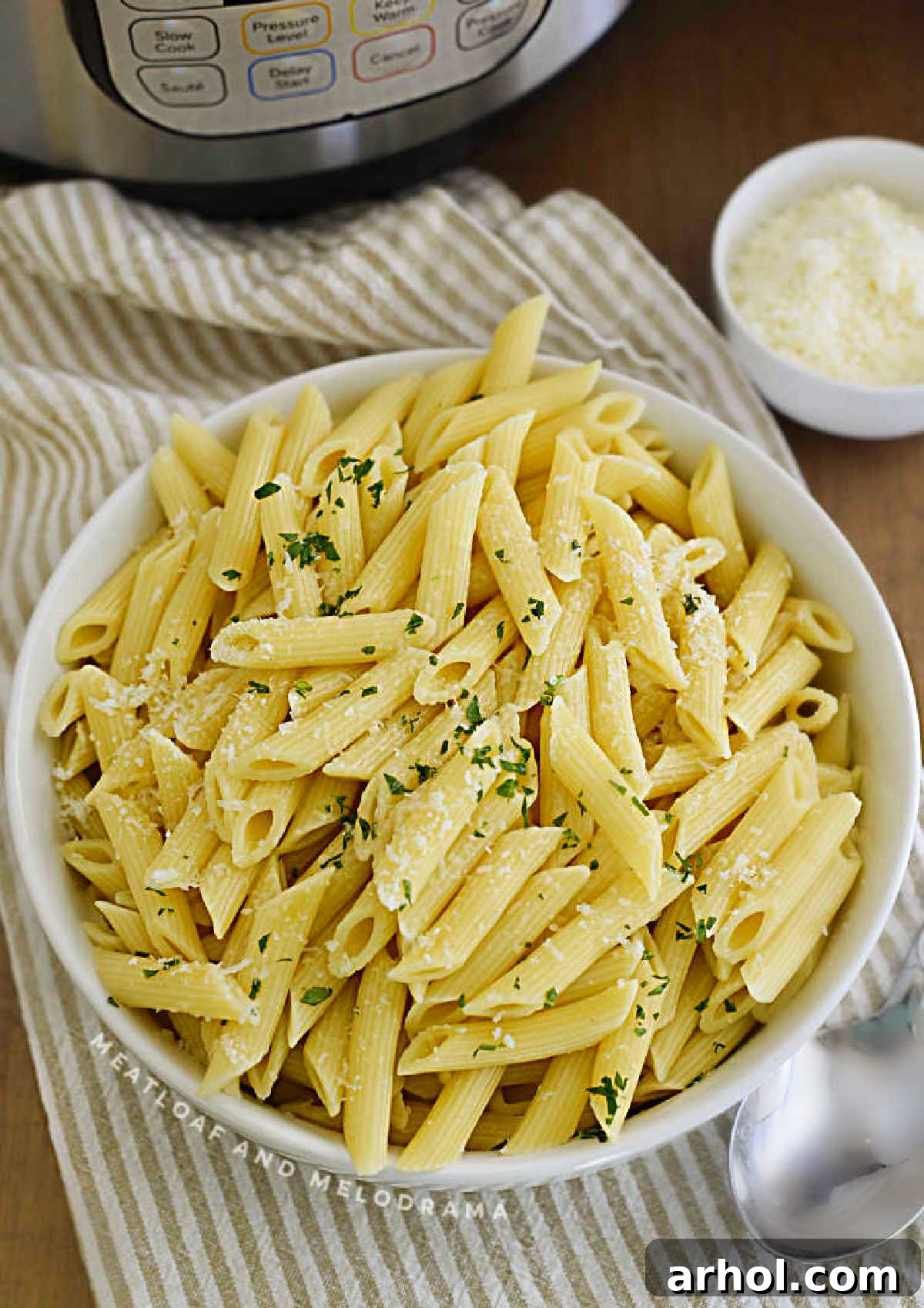
This incredibly simple Instant Pot pasta recipe is your go-to solution for perfectly cooked noodles without the added fuss of a sauce. It’s versatile enough for a wide array of pasta shapes, whether you prefer short varieties like penne, shell pasta, or classic macaroni, or longer strands such as spaghetti and linguine. Even delicate egg noodles or plump tortellini cook beautifully using this method.
While many of my Instant Pot recipes feature pasta integrated with savory meat or rich spaghetti sauces, there are countless occasions when you simply crave a comforting bowl of plain, buttered noodles. This recipe is an absolute lifesaver for those busy weeknight meals, providing a quick and satisfying side dish that the whole family will love.
Beyond a simple buttered side, perfectly cooked plain pasta is the essential foundation for beloved classics like homemade pasta salad or creamy macaroni salad. Whatever your culinary needs, achieving flawless, un-sauced pasta has never been quicker or easier than with your pressure cooker!
Why Choose the Instant Pot for Cooking Pasta?
For over eight years, the Instant Pot has been my undisputed champion for cooking pasta, and for good reason! This foolproof method offers a multitude of benefits that elevate it above traditional stovetop cooking. Imagine: no more standing guard over a hot stove, no frantic cleaning after a pot boils over, and virtually no messy splatter to wipe up. The Instant Pot takes the guesswork and the drudgery out of pasta preparation, delivering consistent, perfectly cooked noodles with minimal effort. It’s not just a convenient alternative; it’s genuinely the best way to cook pasta, transforming a common kitchen task into a truly effortless experience that receives rave reviews from both my family and countless readers.
The sealed environment of the Instant Pot allows for even cooking and precise temperature control, ensuring that each strand of pasta cooks uniformly. This eliminates the common issue of some noodles being mushy while others are still hard. Furthermore, the pressure cooking process significantly reduces overall cooking time, allowing you to get a delicious, wholesome meal on the table faster than ever before. If you’re looking for a reliable, mess-free, and time-saving method for your pasta, the Instant Pot is the undeniable answer.
Table of Contents
- Why Choose the Instant Pot for Cooking Pasta?
- Essential Ingredients for Instant Pot Pasta
- Mastering the Pasta to Water Ratio in Your Instant Pot
- Step-by-Step Guide: How to Cook Pasta in the Instant Pot
- Achieving Perfect Doneness: Instant Pot Pasta Cooking Times
- Instant Pot Egg Noodles: Quick and Tender
- Fresh Tortellini and Ravioli in the Instant Pot
- Cooking Gluten-Free and Whole Wheat Pasta in the Instant Pot
- Expert Cooking Tips for Instant Pot Pasta
- Serving Suggestions for Your Perfectly Cooked Instant Pot Pasta
- More Delicious Instant Pot Pasta Recipes
- Recipe Card: How to Cook Pasta in Instant Pot
- Instant Pot Pasta FAQ
Essential Ingredients for Instant Pot Pasta
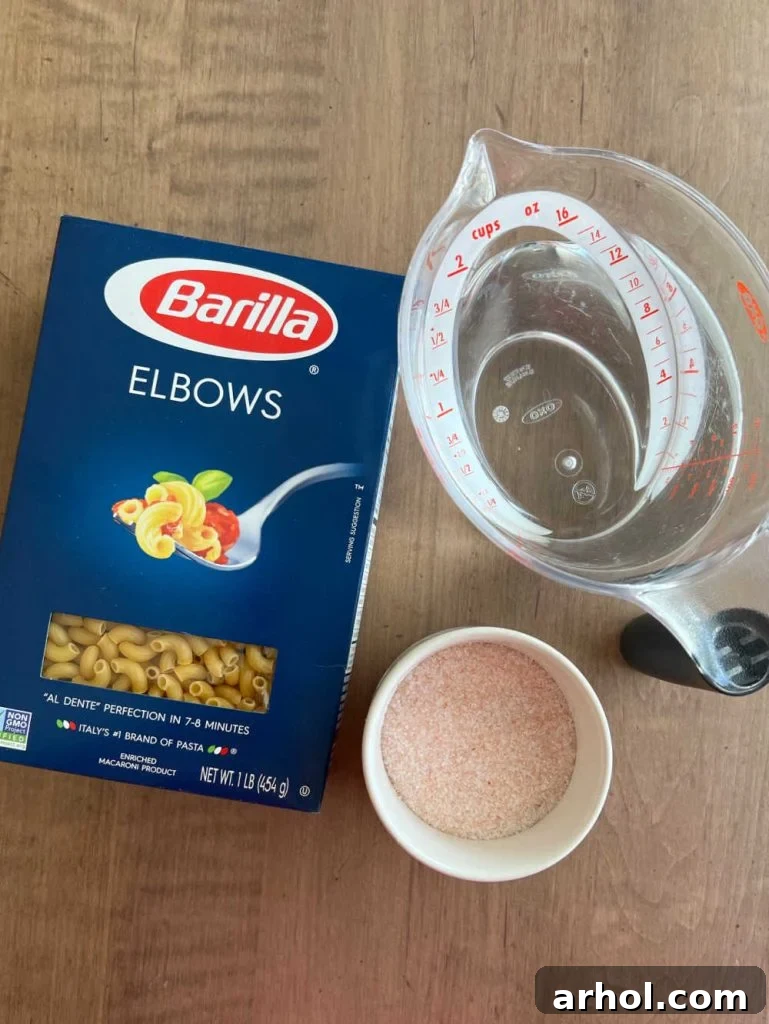
Preparing delicious pasta in your Instant Pot couldn’t be simpler, requiring only three fundamental ingredients. The full, precise measurements for this recipe are conveniently provided in the printable recipe card further down this page.
- Pasta: The beauty of this method lies in its adaptability. You can use virtually any brand or shape of dry pasta you prefer. From classic elbow macaroni to hearty penne, delicate angel hair, or wide fettuccine – it all works! Personally, I’ve consistently found excellent results with mainstream brands like Barilla, which tend to perform very well under pressure, often better than some artisan-style pastas that can become a bit too soft. Our household favorite for plain Instant Pot pasta is undoubtedly penne.
- Water: Cold tap water is all you need. No need to boil it beforehand, the Instant Pot handles all the heating. The amount of water is crucial for perfect results, so pay close attention to the recommended ratio to ensure your pasta cooks properly and absorbs just the right amount of liquid, resulting in ideal texture.
- Salt: A fundamental flavor enhancer for pasta, just as it is for stovetop cooking. I typically use sea salt in my recipes for its clean flavor, but kosher salt or regular table salt are perfectly acceptable substitutes. Adding salt to the cooking water infuses the pasta itself with flavor, preventing bland noodles, even if you plan to add sauce later.
With these three basic components, you’re ready to create a versatile base for countless meals or a comforting side dish in minutes.
Mastering the Pasta to Water Ratio in Your Instant Pot
Achieving perfectly cooked pasta in the Instant Pot hinges on a consistent water-to-pasta ratio. For plain pasta, a general rule of thumb is to use 4 cups of water for every 16 ounces (or 1 pound) of dry pasta. If you’re cooking a smaller batch, such as 8 ounces of pasta, then 2 cups of water will suffice. The key is to ensure that the liquid adequately covers the pasta, allowing it to hydrate and cook evenly under pressure.
It’s important to remember that this ratio is specifically for plain pasta. When you incorporate other ingredients like tomato sauce, marinara, or various meats (ground beef, chicken, etc.) into your Instant Pot pasta dish, you’ll often need to adjust the water content. These additional ingredients contribute their own liquids, so you typically use less water than with plain pasta. A common starting point is to reduce the water by about 1 cup when adding sauce, but this can vary depending on the specific recipe and the amount of liquid already present in your sauce or meat. Always refer to the specific recipe you are following for accurate liquid measurements in complex dishes.
For those recipes that call for reserving some pasta water to emulsify and thicken a sauce, you can slightly increase the initial amount of water in the Instant Pot. After the pasta is cooked, you can then easily drain any excess water before incorporating your sauce or serving.
Step-by-Step Guide: How to Cook Pasta in the Instant Pot
Cooking pasta in your Instant Pot is incredibly straightforward. Follow these simple steps for perfect results every time:
- Prepare the Pot: To prevent pasta from sticking to the bottom of the inner pot and to help minimize the chances of a “Burn” notice (though rare with plain pasta), I recommend lightly spraying the bottom of the Instant Pot’s inner liner with a non-stick cooking spray. Alternatively, you can add a small amount of olive oil.
- Add Pasta: Pour the uncooked dry pasta directly into the prepared inner pot. For long pasta shapes like spaghetti, fettuccine, or linguine, it’s crucial to break them in half first. Then, arrange them in a crisscross pattern in the pot. This technique helps prevent the noodles from clumping together during cooking, ensuring they cook evenly and separate easily afterward.
- Add Water and Salt: Carefully pour the measured cold water over the pasta, ensuring it’s mostly submerged. Next, sprinkle in your sea salt. The salt isn’t just for taste; it’s essential for flavoring the pasta as it cooks, just as you would on the stovetop. A good general guideline is to add about 2 teaspoons of salt for 16 ounces of pasta, or 1 teaspoon for 8 ounces.
- Secure and Set: Place the lid on your Instant Pot and twist it to secure. Make sure the sealing vent is in the “Sealing” position. Select the “Pressure Cook” or “Manual” setting (depending on your model) and set the cooking time.
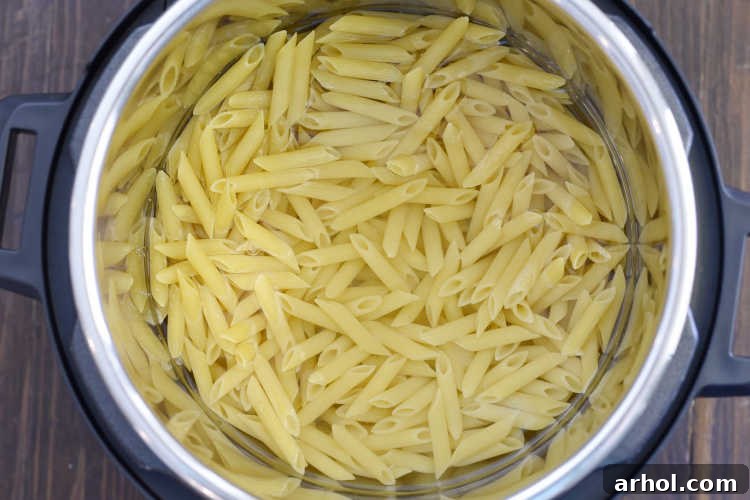
The Instant Pot will take a few minutes to build pressure before the actual cooking time begins. Once it reaches pressure, the timer will count down. Following these steps ensures a hassle-free and delicious pasta experience.
Achieving Perfect Doneness: Instant Pot Pasta Cooking Times
The key to perfect Instant Pot pasta lies in adjusting the cooking time to achieve your desired texture, whether that’s al dente or slightly softer. A widely accepted and incredibly reliable rule of thumb for Instant Pot pasta is to take the recommended cooking time on the pasta box, divide it by two, and then subtract one minute. However, I’ve found an even simpler and equally effective method that works beautifully for most dry pasta types.
For most standard dry pasta shapes, I typically pressure cook them for **4 minutes on high pressure** to achieve a satisfying al dente texture. If you prefer your pasta a little softer, perhaps for a creamier sauce or for younger eaters, increasing the cook time to **5 minutes** works perfectly. This straightforward approach has consistently yielded excellent results across various pasta types and brands.
Once the cooking cycle is complete and the Instant Pot beeps, it’s time to release the pressure. You have two main options: a quick release or a gradual pressure release. For pasta, I highly recommend a gradual pressure release. To do this, slowly toggle the pressure release valve to a slightly open position, allowing the steam to escape gradually. This helps prevent the starchy pasta water from spraying out and making a mess in your kitchen. Once the float valve drops, indicating all pressure has been released, carefully remove the lid.
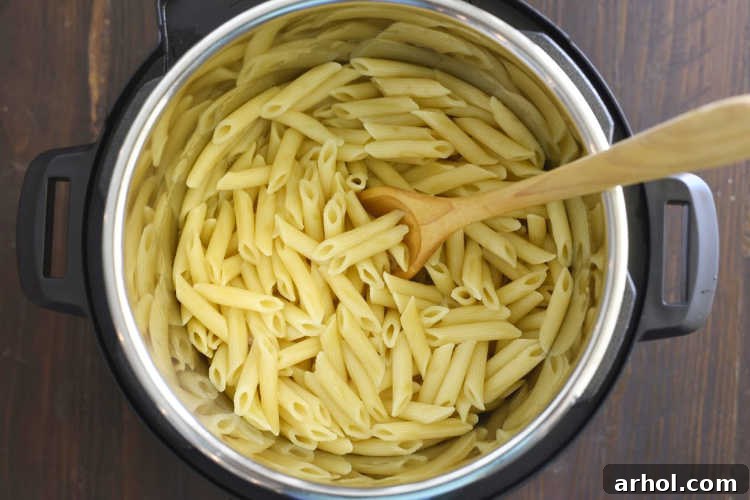
Upon opening the pot, you may notice a small amount of liquid remaining at the bottom. This is perfectly normal! Give the pasta a good stir; it will continue to absorb any residual water as you mix it. If, after stirring for a minute or two, there’s still a noticeable amount of liquid, simply drain the pasta before serving. This ensures your noodles are perfectly textured and not waterlogged.
Instant Pot Egg Noodles: Quick and Tender
Egg noodles, known for their delicate texture and quick cooking time, are exceptionally well-suited for the Instant Pot. Unlike tougher dry pasta, egg noodles typically cook much faster. My preferred method is to pressure cook egg noodles for just 2 minutes on high pressure. After the pressure is released, they will continue to soften in the residual heat. If you find them a bit too al dente for your preference, a simple stir for an additional 30 seconds or so will usually bring them to the perfect tender consistency. This method is fantastic for preparing a quick side dish or for recipes that call for tender noodles, such as the hearty Haluski.
Fresh Tortellini and Ravioli in the Instant Pot
Refrigerated fresh pasta, including tortellini, ravioli, and other filled pasta varieties, cooks remarkably fast and yields a delightful texture in the Instant Pot. Because these pastas are typically softer and often partially cooked or very thin, they require a significantly shorter pressure cooking time compared to their dried counterparts. For most fresh tortellini or ravioli, I recommend a pressure cook time of just 1 to 2 minutes on high pressure, followed by a quick release. Always check the package instructions for a guideline, but start with the shorter time to avoid overcooking, as fresh pasta can quickly become mushy. This quick method makes preparing a delicious, restaurant-quality meal a breeze even on the busiest evenings.
Cooking Gluten-Free and Whole Wheat Pasta in the Instant Pot
While my personal experience with gluten-free pasta and other alternative pasta types like whole wheat or chickpea pasta in the Instant Pot is limited, I’ve gathered valuable feedback from many readers. The general consensus for these specialized pastas is to apply the same core principle: cook them for approximately half the time recommended on their packaging. However, it’s worth noting that gluten-free and whole wheat pastas can behave differently due to their unique composition. They might absorb water at a different rate or have a slightly varied texture once cooked under pressure.
Therefore, for the best results with gluten-free, whole wheat, or chickpea pasta, a little experimentation might be necessary. It’s often beneficial to start with the shortest recommended time (half the package instructions) and then perform a quick release. If the pasta isn’t quite to your liking, you can always seal the pot again and pressure cook for an additional minute. Alternatively, you might find dedicated recipes specifically tailored for cooking gluten-free pasta in the pressure cooker, which can offer more precise guidance based on specific brands and ingredients. The goal remains the same: perfectly cooked, flavorful pasta, regardless of its type.
Expert Cooking Tips for Instant Pot Pasta
To ensure your Instant Pot pasta turns out perfectly every single time, keep these expert tips in mind:
- Prevent Sticking: Always start by lightly spraying the bottom of your Instant Pot’s inner pot with non-stick cooking spray or by adding a teaspoon of olive oil. This simple step creates a barrier that significantly reduces the chance of pasta sticking and helps prevent a “Burn” notice.
- Flavor with Salt: Just like with traditional stovetop cooking, adding salt to your pasta water in the Instant Pot is essential. It seasons the pasta from within, resulting in a more flavorful final product. Don’t skip this step!
- Break Long Pasta: For long pasta varieties like spaghetti, fettuccine, or linguine, always break them in half before placing them in the Instant Pot. Then, arrange them in a crisscross pattern to prevent them from clumping together during pressure cooking.
- Avoid Pre-Stirring: It’s crucial not to stir the pasta with the water or sauce *before* pressure cooking begins. Stirring can lead to pasta clumping and can also interfere with the Instant Pot’s ability to come to pressure properly. All mixing should happen once the cooking cycle is complete.
- Manage Pressure Release: When the cooking time is up, use a controlled quick pressure release or a gradual quick release. Slowly turning the valve minimizes the forceful spray of starchy water, which can be messy. Avoid a full natural pressure release for pasta, as this can lead to overcooked, mushy noodles.
- Stir Immediately After: As soon as you open the lid, give the pasta a thorough stir. This helps separate any noodles that may have stuck together during cooking and allows them to absorb any remaining liquid in the pot, leading to the ideal texture.
Serving Suggestions for Your Perfectly Cooked Instant Pot Pasta
Once your pasta emerges from the Instant Pot, perfectly cooked and ready, the culinary possibilities are endless! Here are a few popular ways to enjoy your freshly prepared noodles:
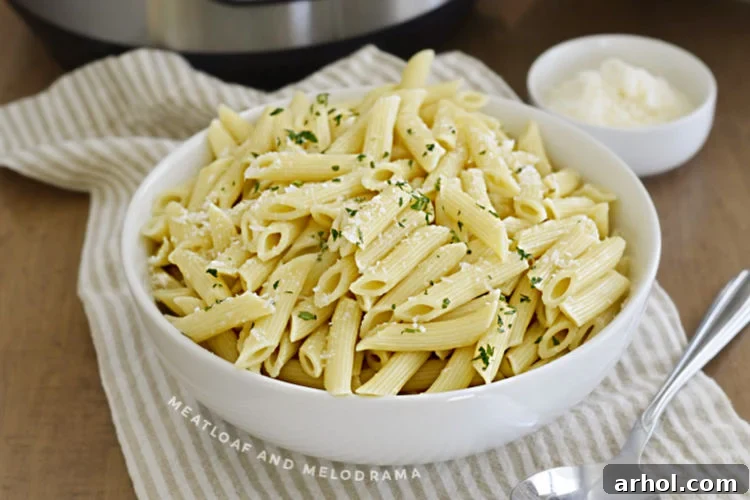
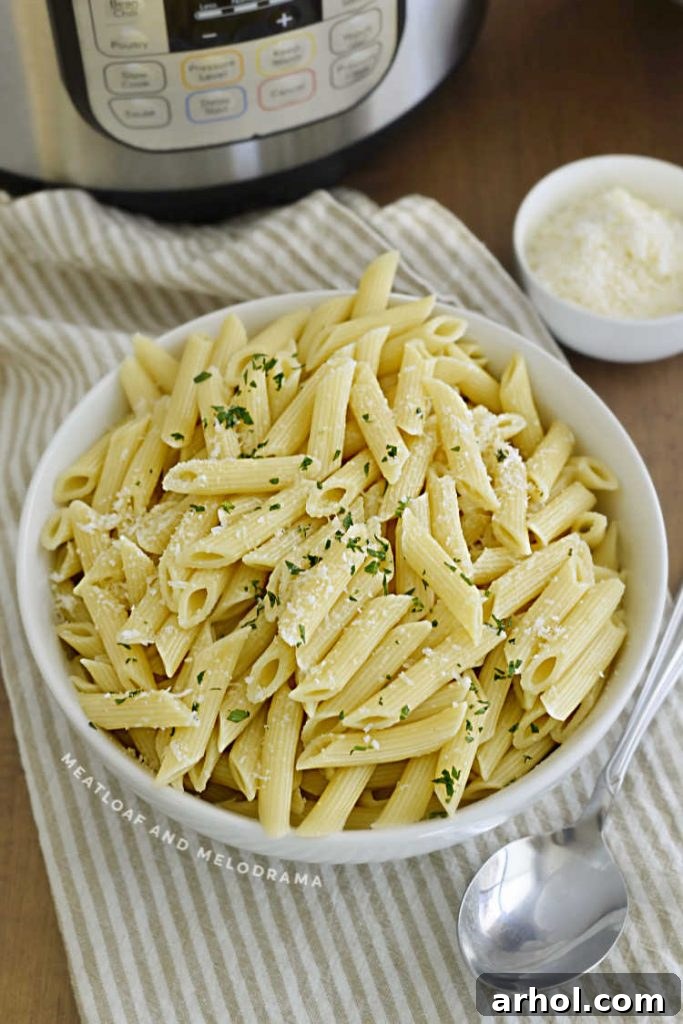
- Simple Buttered Noodles: The easiest and often most comforting option. Toss the warm pasta with a generous knob of butter, a sprinkle of salt and pepper, and fresh parsley or Parmesan cheese. A childhood favorite that’s perfect for any age.
- Versatile Side Dish: Serve alongside grilled chicken, roasted vegetables, or a hearty main course. Plain pasta makes an excellent, neutral complement to nearly any meal.
- Pasta Salads: Cool your Instant Pot pasta under cold water immediately after cooking to stop the cooking process. This prevents it from becoming mushy and ensures it holds up well in your favorite pasta salad recipes, like Italian pasta salad or a classic macaroni salad.
- Quick Sauce Base: Use your freshly cooked pasta as a speedy base for any pre-made or quick-cooking sauce. Marinara, pesto, alfredo, or even a simple garlic and olive oil sauce can be tossed with the warm noodles for an instant meal.
- Baked Pasta Dishes: While the Instant Pot handles the cooking, you can easily transfer the pasta to a baking dish for recipes like baked ziti or casseroles that require a finish in the oven.
The beauty of this Instant Pot method is that it consistently produces pasta that is ready for whatever culinary adventure you have in mind!
More Delicious Instant Pot Pasta Recipes
Once you’ve mastered the art of cooking plain pasta in your Instant Pot, you’ll be eager to explore its full potential for creating complete pasta dishes! My kitchen has seen countless delicious Instant Pot pasta creations become family favorites. Some of our top picks, which have also garnered high praise from our readers, include a savory Instant Pot Spaghetti with Meat Sauce – a complete meal in one pot. Another beloved option is the comforting Instant Pot Creamy Shells and Beef, perfect for a cozy dinner. And for those who love chicken, the rich and satisfying Creamy Instant Pot Chicken Pasta is a must-try.
If you’re a fan of baked dishes, don’t miss my Instant Pot Baked Ziti, where the pressure cooker handles the pasta and sauce, and then it’s quickly transferred to the oven for that perfect cheesy, golden finish. For a classic comfort food that’s unbelievably easy, my Instant Pot Kraft Mac and Cheese recipe works every single time, making it simple enough for even my teenagers to whip up. These recipes truly highlight the versatility and convenience of your Instant Pot for pasta night.

Pin This Recipe
Print Recipe
How to Cook Pasta in Instant Pot
Dee
1
4
10
15
10
Equipment
-
Instant Pot Pressure Cooker
Ingredients
- 16 ounces dry pasta (any shape)
- 4 cups cold water
- 1-2 teaspoons sea salt (or kosher/table salt)
Instructions
-
Lightly spray the bottom of the Instant Pot’s inner pot with non-stick cooking spray or add a little olive oil. Place the dry pasta into the Instant Pot. For long pasta, break in half and crisscross.
-
Pour the measured cold water over the pasta and sprinkle with sea salt. Do not stir.
-
Secure the lid on the pressure cooker, ensuring the vent is set to the “Sealing” position. Select “Pressure Cook” (or “Manual”) and set the cook time to 4 minutes on high pressure. (You may need to press “Start” depending on your model.)
-
The Instant Pot will take several minutes to build pressure, then it will count down the 4-minute cook time. Once the cooking cycle is complete and the pot beeps, perform a gradual pressure release by slowly turning the steam release valve to minimize foam and starchy water spraying out.
-
Once the float valve drops, carefully remove the lid. Stir the pasta well to help it absorb any remaining water and to separate the noodles. If excess water still remains after stirring, drain the pasta before serving. Transfer to a platter or bowl to serve, or top with your desired sauce, butter, and/or Parmesan cheese.
Notes
For a firmer, more al dente pasta, ensure a gradual quick release immediately after the cook time is complete. If you prefer a softer pasta, you can cook it for 5 minutes instead of 4, followed by either a quick or gradual pressure release.
When preparing pasta for cold dishes like pasta salads, it’s essential to rinse the cooked pasta with cold water immediately after draining. This step effectively halts the cooking process, preventing the pasta from becoming mushy and ensuring it retains a pleasant texture for your salad.
Nutrition Information (per serving)
Carbohydrates: 34g,
Protein: 6g,
Fat: 1g,
Saturated Fat: 1g,
Sodium: 235mg,
Potassium: 101mg,
Fiber: 1g,
Sugar: 1g,
Calcium: 10mg,
Iron: 1mg
Nutrition information is automatically calculated, so should only be used as an approximation.
Additional Info
Main, Side Dish
Italian
Enjoyed this recipe? Leave a comment below!
Instant Pot Pasta FAQ
Yes, absolutely. Just like stovetop pasta, it is possible to overcook pasta in the Instant Pot, leading to a mushy texture. To avoid this, always cook pasta for the shortest recommended time (usually half the package directions, minus one minute, or 4 minutes for most dry pasta). If, after pressure release and stirring, the pasta isn’t quite tender enough for your preference, you can always reseal the pot and pressure cook for an additional minute, or stir it on the sauté setting with any remaining liquid until it reaches your desired doneness.
It is generally recommended not to stir pasta *before* pressure cooking in the Instant Pot. The primary reason is that stirring can cause the pasta to clump together at the bottom of the pot. When pasta sits at the bottom in a dense layer, it can affect the Instant Pot’s ability to come to pressure efficiently and can also increase the risk of a “Burn” notice, especially with starchy liquids. The liquid and pasta are better left layered to ensure even cooking and pressure build-up. You should always stir pasta thoroughly *after* pressure cooking, once the lid is removed, to separate the noodles and allow them to absorb any remaining liquid.
While some cooks traditionally add oil to stovetop pasta water to prevent sticking, it’s not strictly necessary in the Instant Pot cooking water. However, I do recommend spraying the bottom of the inner pot with non-stick spray or adding a small amount of olive oil *to the bottom of the pot* before adding the pasta and water. This helps prevent the pasta from sticking to the pot itself and also acts as a safeguard against a “Burn” notice. The oil doesn’t need to be mixed into the water itself.
For more incredibly easy recipes designed for your busy lifestyle, don’t forget to sign up for our free weekly newsletter and follow us on all your favorite social media platforms!