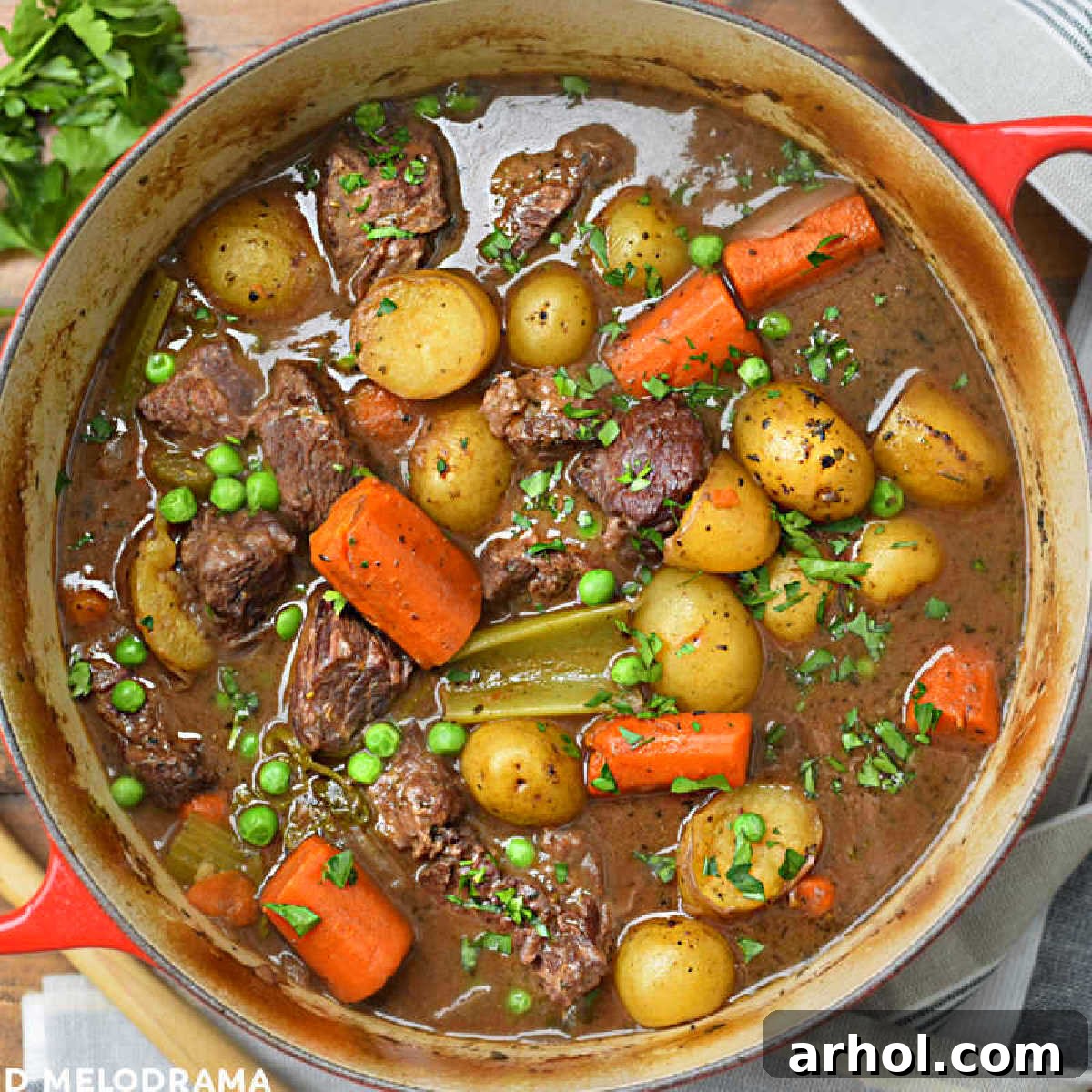
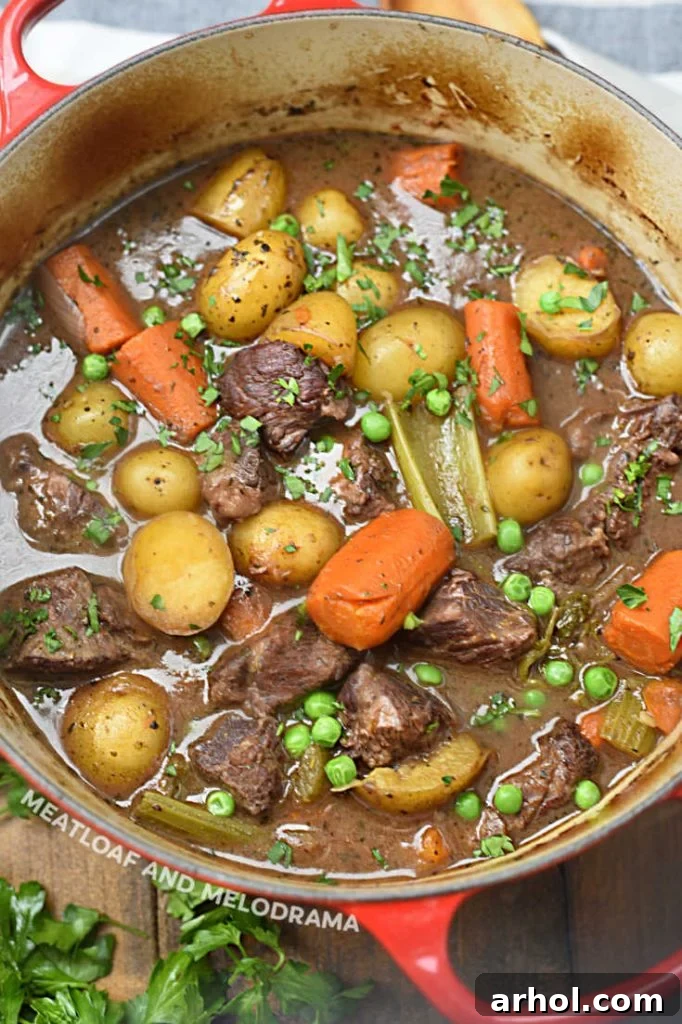
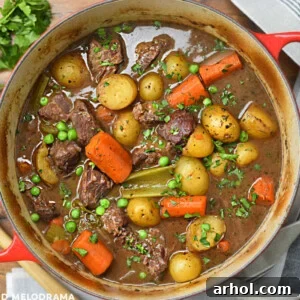
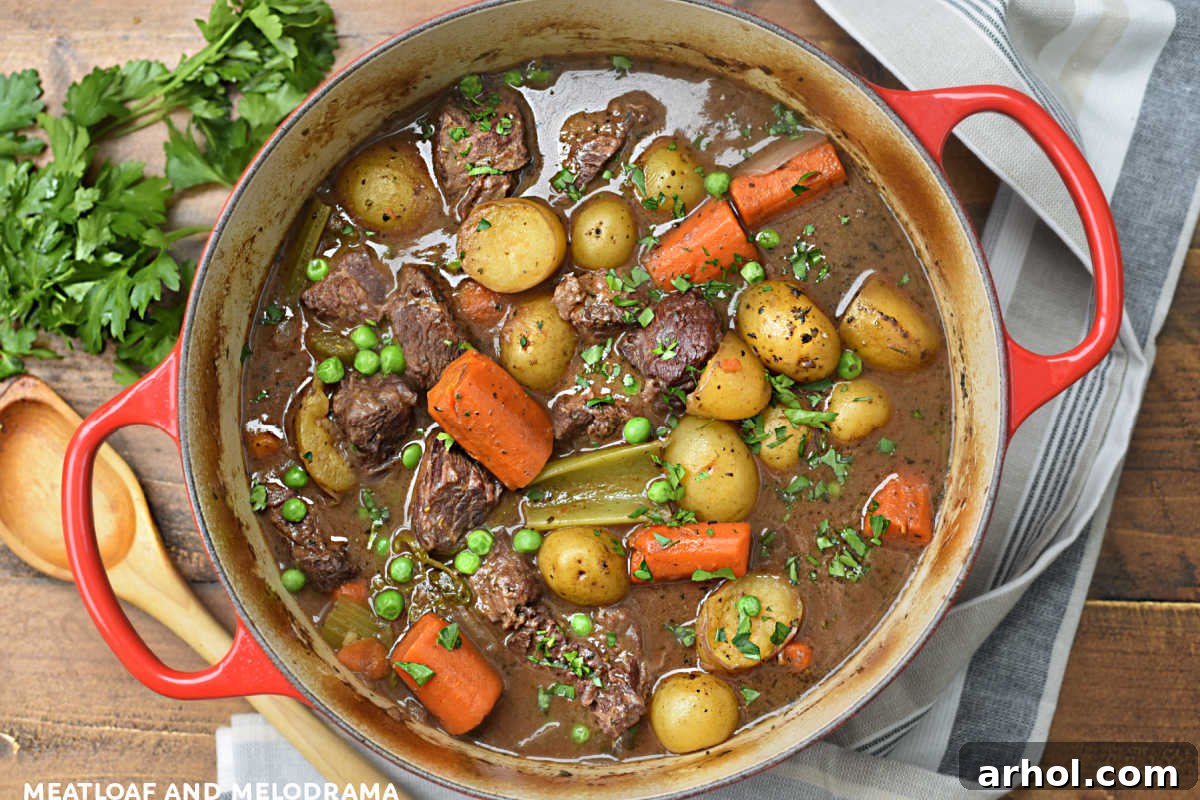
There’s nothing quite like a hearty, slow-cooked beef stew to bring warmth and comfort to a chilly evening. This ultimate Dutch oven beef stew recipe, enriched with red wine, tender carrots, and wholesome potatoes, stands out as a true culinary masterpiece. It’s more than just a meal; it’s a comforting one-pot experience that consistently earns its place as a family favorite, promising a delicious way to chase away the cold.
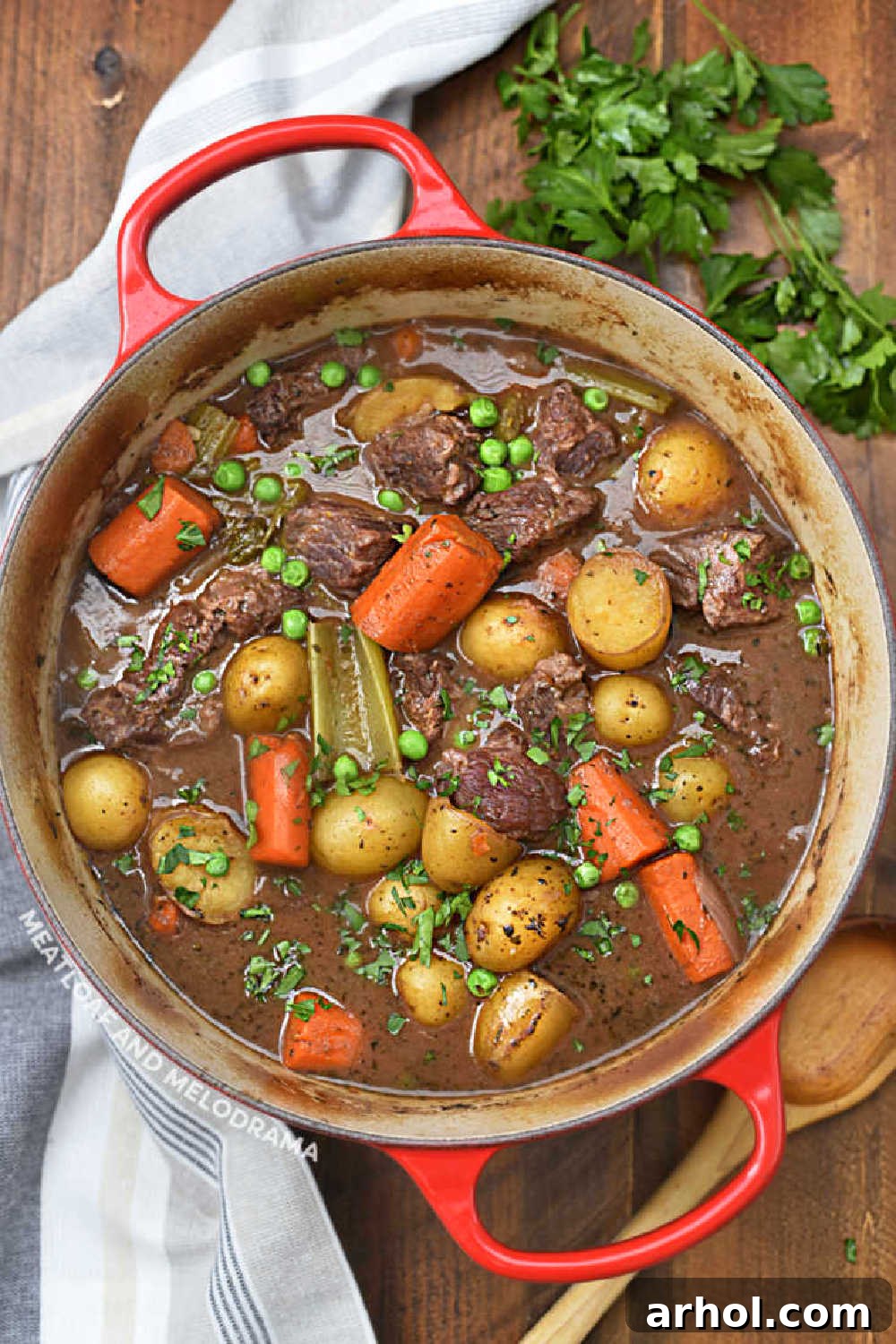
This easy Dutch oven beef stew recipe has long been a cherished staple in my family’s cold-weather dinner rotation, and it’s no surprise it has become a popular choice among readers as well. Its widespread appeal even led to its inclusion in my cookbook! What makes this hearty meal truly exceptional is its combination of generously sized, fall-apart tender chunks of beef and a medley of wholesome root vegetables, all swimming in a thick, deeply flavorful, and incredibly rich gravy. Every spoonful is an absolute delight.
Over the years, I’ve experimented with countless beef stew recipes, but I can confidently say that this particular rendition is truly the best. My secret? I’ve artfully blended the comforting familiarity of my grandma’s old-fashioned beef stew with the sophisticated depth of Julia Child’s classic Beef Burgundy, or Boeuf Bourguignon. When your own children declare it the best beef stew they’ve ever tasted, you know you’ve struck culinary gold! The deep flavors developed through slow cooking truly elevate this dish beyond the ordinary.
While I appreciate the convenience of whipping up a quick beef stew in my Instant Pot, the Dutch oven brings an unparalleled depth of flavor that simply cannot be replicated. This same principle applies to other beloved slow-cooked dishes like my Roast Chicken Dinner and braised beef short ribs. For this recipe, I typically reach for my trusty Le Creuset enameled cast iron Dutch oven, but rest assured, any quality brand will yield fantastic results. Dutch oven recipes are truly remarkable because they allow flavors to meld beautifully over time. Although this oven-baked beef stew takes a couple of hours to cook, it’s largely hands-off time, giving you the freedom to relax, catch up on tasks, or simply enjoy the incredible aromas filling your home.
Table of Contents
- Why Dutch Oven Stew is the Best
- Essential Ingredient Notes
- Mastering Dutch Oven Beef Stew: Step-by-Step
- Perfect Pairings: What to Serve with Your Stew
- Choosing the Best Wine for Beef Stew
- Creative Variations & Smart Substitutions
- Storage and Reheating Tips
- Pro Recipe Tips for Success
- Full Dutch Oven Beef Stew Recipe Card
- More Delicious Chuck Roast Recipes
- Frequently Asked Questions
Why Dutch Oven Beef Stew is the Best
The magic of a Dutch oven for beef stew cannot be overstated. Its heavy, even heat distribution creates the ideal environment for slow braising, allowing tough cuts of beef to transform into incredibly tender, melt-in-your-mouth morsels. Unlike a regular pot, the thick walls and tight-fitting lid of a Dutch oven prevent moisture from escaping, ensuring that every drop of flavorful liquid stays within the pot, intensifying the savory gravy. This method promotes the Maillard reaction during browning, building a rich foundational flavor that permeates the entire dish. The sustained, gentle heat also means less stirring and less risk of burning, making it a surprisingly hands-off approach to gourmet-level comfort food. It truly is the secret to achieving that deep, complex flavor profile reminiscent of classic European stews.
Essential Ingredient Notes for Your Best Beef Stew
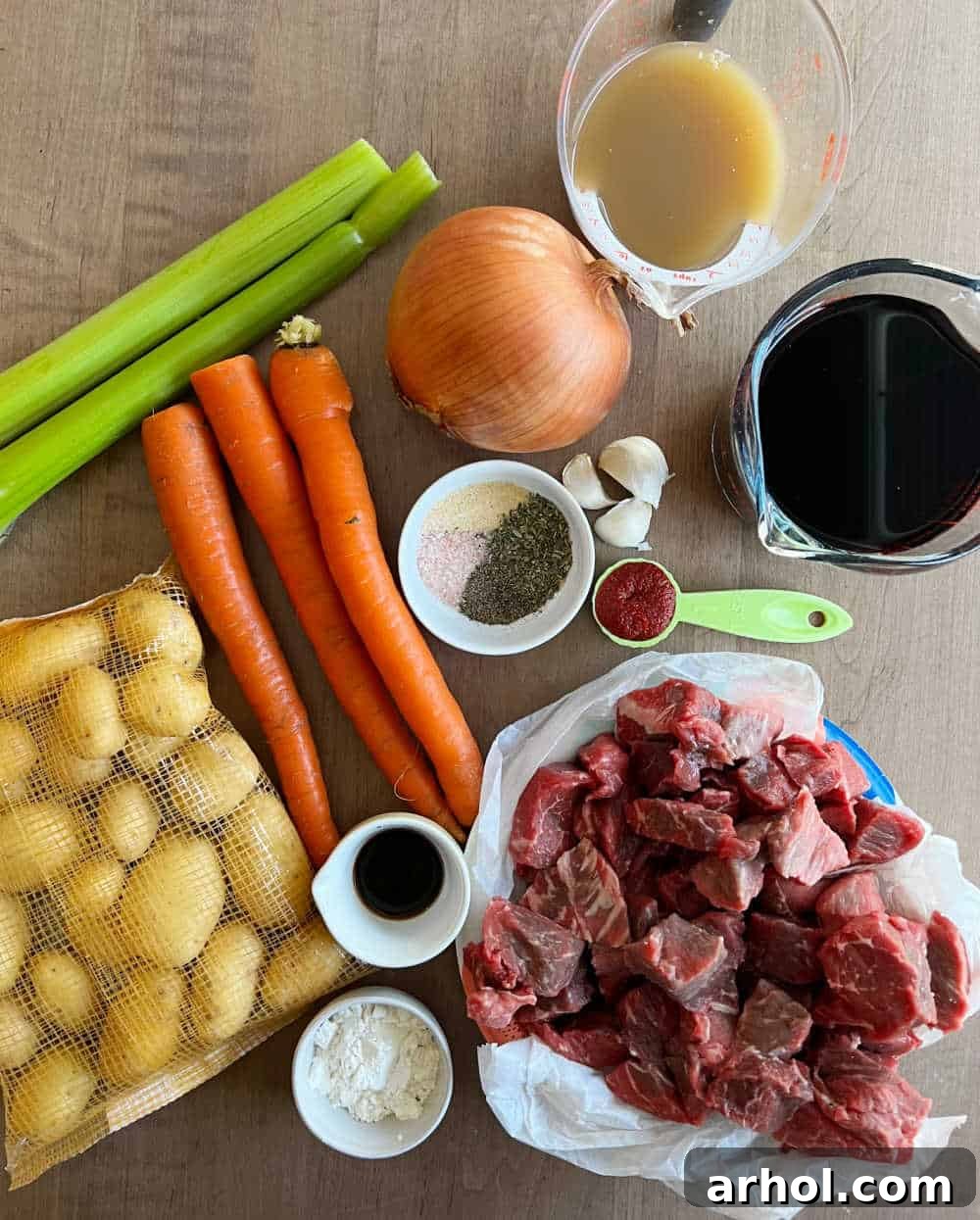
Crafting an unforgettable beef stew starts with selecting the right ingredients. Here’s a detailed breakdown of what you’ll need for this superb Dutch oven beef stew recipe, with full amounts available in the printable recipe card below:
- Beef Chuck: This is unequivocally the best cut of beef for stew meat. Chuck roast is marbled with connective tissue that, when cooked low and slow in a Dutch oven, breaks down into gelatin, creating incredibly tender, succulent meat and enriching the stew’s texture. You can ask your butcher to cut it into 2-inch chunks, or purchase a chuck roast and cut it yourself.
- All-Purpose Flour: Used for coating the beef, the flour helps create a beautiful brown crust on the meat during searing and acts as a natural thickener for the stew, contributing to that rich, velvety gravy.
- Olive Oil or Vegetable Oil: Essential for browning the beef. Olive oil adds a nuanced flavor, while vegetable or avocado oil are great neutral alternatives with high smoke points.
- Onion: A medium yellow or white onion, finely chopped, provides a foundational aromatic sweetness that forms the base of the stew’s flavor.
- Garlic: We use both fresh garlic cloves (roughly chopped) and garlic powder. The fresh garlic offers a pungent, immediate burst of flavor, while the powder provides a deeper, more mellow garlic essence throughout the long cooking process.
- Dry Red Wine: A key player for depth and complexity. Pinot Noir is highly recommended for its balanced fruit and earthy notes, which complement beef beautifully without overpowering it. Other dry red wines like Merlot or a light Cabernet Sauvignon also work wonderfully. Remember, choose a wine you’d enjoy drinking!
- Low-Sodium Beef Broth: The liquid base for the stew. Opting for low-sodium allows you to control the overall saltiness, ensuring a perfectly seasoned dish.
- Tomato Paste: A small but mighty ingredient, tomato paste contributes a concentrated umami flavor and a subtle sweetness that balances the richness of the beef and wine. It also helps in thickening the gravy.
- Worcestershire Sauce: Just a tablespoon provides an indispensable layer of complex, savory, and tangy notes that enhance the beef’s flavor.
- Baby Potatoes or Yukon Gold Potatoes: Baby potatoes can be halved or quartered, while Yukon Golds, with their creamy texture, are perfect when chopped into large, bite-sized pieces. They hold their shape well during slow cooking.
- Carrots: Chopped into large chunks, carrots add natural sweetness, color, and a pleasant texture. Baby carrots can be used in a pinch for convenience.
- Celery: Cut into large pieces, celery contributes a mild, earthy flavor and a subtle textural contrast.
- Seasonings: Beyond salt and black pepper, we use garlic powder (for layered garlic flavor) and Herbes de Provence. This aromatic French blend (thyme, rosemary, oregano, savory, marjoram, lavender) is fantastic, but Italian seasoning makes a great substitute if needed.
- Frozen Peas and Fresh Parsley: These are optional but highly recommended additions at the end. Frozen peas add a pop of color and freshness, while chopped fresh parsley brightens the stew with its vibrant flavor and visual appeal.
Mastering Dutch Oven Beef Stew: Step-by-Step Perfection
Creating this rich and tender Dutch oven beef stew is a rewarding process, largely hands-off, that results in an incredibly flavorful meal. Follow these steps for culinary success:
- Prepare the Beef: Begin by patting your beef chuck pieces thoroughly dry with paper towels. This crucial step removes surface moisture, allowing the meat to achieve a superior sear and deeper browning. Season the dried beef generously all over with sea salt and freshly ground black pepper.
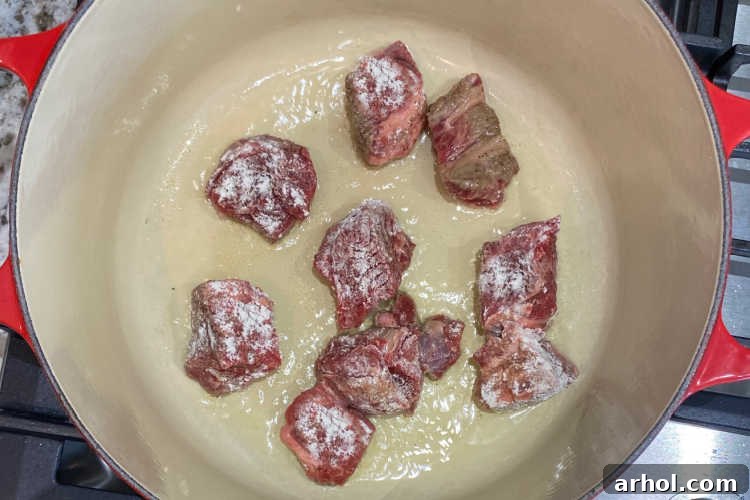
- Sear the Beef: Heat a large Dutch oven over medium-high heat. Add your olive oil (or preferred cooking oil). Once the oil is shimmering, dredge the seasoned beef chunks in all-purpose flour, ensuring each piece is lightly coated. Add a few pieces of the floured meat at a time, in a single layer, to the hot Dutch oven. Avoid overcrowding the pot, as this can steam the meat instead of browning it. Cook each side until a deep, golden-brown crust forms, typically 3-4 minutes per side. Use kitchen tongs to turn the meat; it will release easily when properly browned.
- Brown in Batches: Continue browning the meat in small batches until all pieces are beautifully caramelized. As each batch finishes, transfer the browned beef to a clean plate and cover it loosely to keep warm while you proceed with the remaining steps. This browning step is paramount for developing the deep, savory flavor of the stew.
- Sauté Aromatics: Reduce the heat to medium. Add the chopped onion and fresh garlic to the Dutch oven, using any residual oil and browned bits from the beef. Stir and cook gently for 5-7 minutes, until the onions are softened and translucent, and the garlic is wonderfully fragrant. Be careful not to burn the garlic.
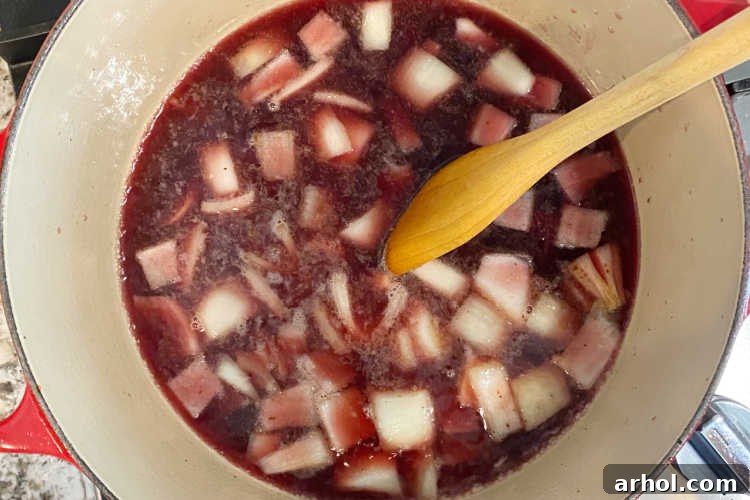
- Deglaze with Wine: Pour the red wine into the Dutch oven. Immediately use a wooden spoon to gently scrape up all the flavorful browned bits (fond) from the bottom of the pot. This process, known as deglazing, incorporates all those caramelized flavors back into the stew, adding immense depth. Allow the wine to simmer for a few minutes to cook off some of the alcohol.
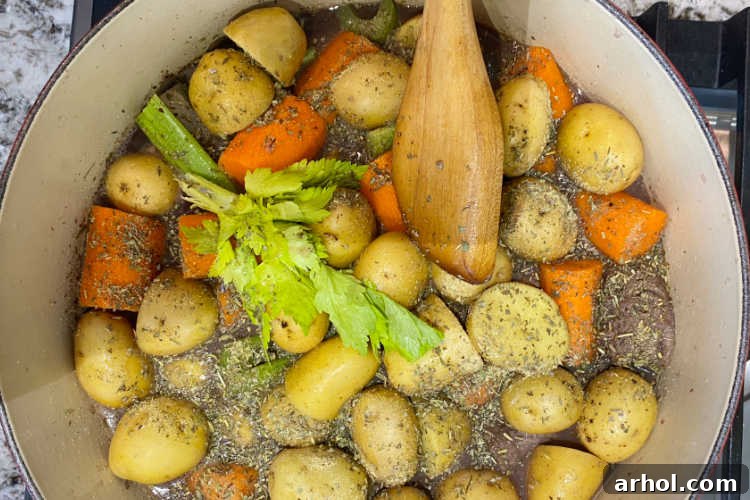
- Assemble the Stew: Return the browned beef to the Dutch oven. Stir in the low-sodium beef broth, tomato paste, and Worcestershire sauce. Then, add the hearty vegetables: baby potatoes (or chopped Yukon golds), large carrot chunks, and cut celery stalks. Sprinkle in the garlic powder and Herbes de Provence seasoning. Give everything a good stir to combine.
- Slow Cook in the Oven: Bring the stew to a gentle simmer on the stovetop. Once simmering, cover the Dutch oven tightly with its lid. Transfer the covered Dutch oven to your preheated oven at 300°F (150°C). Now, you can truly put your feet up and relax!
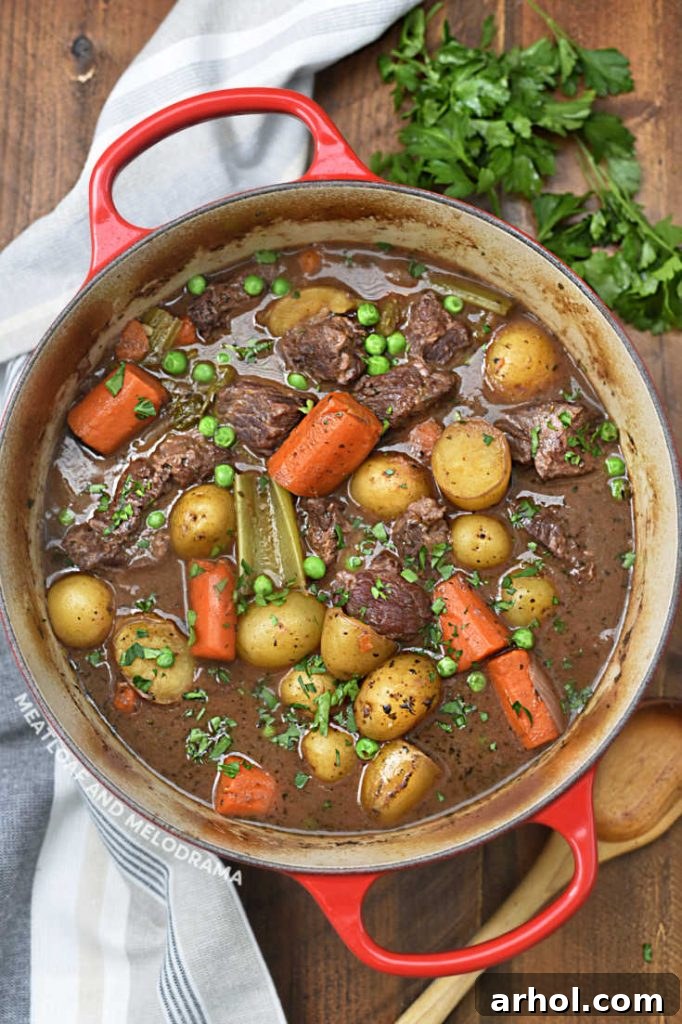
- The Grand Finale: Allow the stew to cook in the oven for 2 ½ to 3 hours. During this time, the tough beef chuck will transform into incredibly tender, fork-apart meat, and the vegetables will soften perfectly. After 3 hours, your stew will be thick, rich, and absolutely perfect! And your home will smell utterly amazing.
- Check for Doneness: The stew is ready when you can easily pierce the beef with a fork and the vegetables are tender. For an added touch of color and freshness, you can stir in about 1 cup of frozen peas during the last 15 minutes of cooking.
- Garnish and Serve: Just before serving, sprinkle generously with a little bit of chopped fresh parsley. This adds an extra pop of vibrant color and a burst of herbaceous freshness that brightens the entire dish.
- Merlot: Offers softer tannins and notes of plum and cherry, contributing a smooth richness.
- Cabernet Sauvignon: A more robust option, providing strong dark fruit flavors and structure, but be mindful not to choose one that is overly tannic, as it could become bitter with long cooking.
- Burgundy Wines (e.g., Côte de Nuits, Côtes de Beaune): Traditionally used in Boeuf Bourguignon, these Pinot Noir-based wines are perfect for authentic flavor.
- Red Wine Substitutes: If you’re looking for a beef stew recipe without red wine, there are several effective alternatives. You can substitute the wine with an equal amount of cranberry juice (unsweetened for best results), grape juice, a dark beer (like a stout or porter for a malty depth), or simply use all beef broth. Keep in mind that while these will work, the stew will have a slightly different flavor profile than with red wine.
- Vegetable Alternatives: Don’t limit yourself to just carrots and potatoes! Feel free to incorporate your favorite hearty vegetables. Consider adding parsnips, turnips, or rutabaga for additional root vegetable flavor. Green beans, frozen corn, or mushrooms can be added during the last 30-45 minutes of cooking. Pearl onions are also a fantastic addition for a touch of sweetness and classic French stew appeal.
- Herb Enhancements: For an even more aromatic stew, tuck a few sprigs of fresh thyme, a couple of bay leaves, or a sprig of fresh rosemary into the pot along with the other ingredients. Remove them before serving.
- Thickening Options: If you prefer an even thicker gravy, you can create a slurry of 1-2 tablespoons of cornstarch mixed with an equal amount of cold water. Stir this into the simmering stew during the last 15-20 minutes of cooking until it reaches your desired consistency.
- Stovetop Cooking: If you don’t want to use the oven, you can absolutely let the beef stew simmer on the stovetop. Just ensure the heat is very low (a gentle simmer, not a rolling boil) and stir frequently to prevent it from sticking to the bottom and burning. It will still take 2 1/2 to 3 hours for the beef to become tender.
- Smoked Paprika: For a subtle smoky depth, add a teaspoon of smoked paprika along with the other seasonings.
- Refrigerator: To preserve its fantastic flavor and quality, allow the stew to cool completely before transferring it to an airtight container. Store it in the refrigerator, where it will remain fresh and delicious for 3 to 4 days after your initial serving date.
- Freezing: Wondering how to freeze beef stew? It’s incredibly simple! Once the stew has cooled entirely, transfer it into freezer bags (removing as much air as possible) or freezer-safe containers. Leave a little headspace for expansion. It can be frozen for up to 3 months. Thaw overnight in the refrigerator before reheating. This makes it an excellent meal prep option for busy weeks.
- Reheating: Beef stew reheats beautifully. For individual servings, simply microwave on high, stirring occasionally, until heated through. For larger portions, gently reheat on the stovetop over medium-low heat, stirring occasionally, until hot. If the stew seems too thick after reheating, you can add a splash of beef broth or water to reach your desired consistency.
- Mise en Place is Key: “Mise en place” (everything in its place) is a chef’s secret. Have all your ingredients prepped, chopped, and measured before you start cooking. This is a huge time-saver and makes the entire cooking process smooth and enjoyable.
- Don’t Skip Browning the Meat: This is arguably the most critical step for flavor development. The deep brown crust created through the Maillard reaction adds incredible savory notes that form the foundation of your stew. Be patient and brown in batches to avoid overcrowding.
- Thoroughly Deglaze the Dutch Oven: After browning the meat and sautéing the aromatics, deglazing the pot with wine (or broth) is essential. Use a wooden spoon or silicone spatula to scrape up all the flavorful browned bits (fond) stuck to the bottom. These bits are pure flavor!
- Embrace Slow Cooking: Allow plenty of time for the vegetable beef stew to cook low and slow in the oven. This extended cooking time is what breaks down the connective tissue in the chuck roast, resulting in fall-apart tender meat and allows all the flavors to meld into a rich, cohesive gravy. Rushing this step will result in tough meat.
- Adjust Liquid as Needed: While cooking, if you find your stew is becoming too thick or you prefer more liquid, feel free to add an extra splash of beef broth or red wine during the cooking process. Conversely, if it’s too thin, you can remove the lid for the last 30 minutes of cooking to allow some liquid to evaporate.
- Rest Before Serving: Like many braised dishes, beef stew benefits from a short rest off the heat before serving. This allows the flavors to settle and the gravy to thicken slightly.
- Taste and Adjust Seasoning: Always taste your stew before serving and adjust the salt and pepper as needed. Different broths and wines can affect the final seasoning.
-
Dutch Oven
- 2 pounds beef chuck (cut into 2-inch chunks)
- 2 tablespoons olive oil (or vegetable oil)
- 1½ teaspoons sea salt
- ½ teaspoon ground black pepper
- 2 tablespoons all-purpose flour
- 1 medium onion (chopped, yellow or white)
- 3 garlic cloves (roughly chopped)
- 2 cups dry red wine (such as Pinot Noir, Merlot, or light Cabernet)
- 1 cup low-sodium beef broth
- 2 tablespoons tomato paste
- 1 tablespoon Worcestershire sauce
- 1 pound baby potatoes (sliced in half, or large chunks of Yukon Gold)
- 5 large carrots (peeled, cut into large chunks)
- 3 medium celery stalks (cut into large pieces, with leaves for extra flavor if desired)
- 1 teaspoon garlic powder
- 1 tablespoon Herbes de Provence seasoning (or Italian seasoning)
- 1 cup frozen peas (optional, for garnish)
- Fresh parsley (chopped, optional, for garnish)
-
Preheat your oven to 300°F (150°C). Pat the beef chuck dry with paper towels, then season all over with salt and pepper.
-
Lightly coat the seasoned beef chunks in all-purpose flour. Heat the olive oil in a large Dutch oven over medium-high heat.
-
Working in batches to avoid overcrowding, brown the beef on all sides until a rich, dark crust forms. Remove the browned beef to a clean plate and cover to keep warm.
-
Add the chopped onion and garlic to the Dutch oven. Cook over medium heat, stirring frequently, until the onions are softened and fragrant, about 5-7 minutes.
-
Pour in the red wine. Use a wooden spoon to gently scrape up any browned bits (fond) from the bottom of the pot, deglazing thoroughly. Allow to simmer for a few minutes.
-
Stir in the beef broth, tomato paste, and Worcestershire sauce until well combined.
-
Return the browned meat to the Dutch oven. Add the potatoes, carrots, celery, garlic powder, and Herbes de Provence seasoning. Stir to distribute ingredients evenly.
-
Bring the stew to a gentle simmer on the stovetop. Once simmering, cover the Dutch oven tightly with its lid and transfer it to the preheated oven. Cook for 2 ½ to 3 hours, or until the beef and vegetables are fork-tender.
-
About 15 minutes before the end of cooking, stir in the frozen peas (if using). Continue cooking until peas are tender.
-
Before serving, sprinkle with fresh chopped parsley, if desired, for a burst of color and freshness. Serve hot and enjoy!
- Can I make this beef stew in a slow cooker or Instant Pot?
Yes, you can adapt this recipe for a slow cooker or Instant Pot, though the Dutch oven method offers unparalleled depth of flavor. For a slow cooker, brown the beef and sauté aromatics on the stovetop first, then transfer everything to the slow cooker and cook on low for 6-8 hours or high for 3-4 hours. For an Instant Pot, use the sauté function to brown the beef and aromatics, then pressure cook for 35-45 minutes with a natural pressure release. Adjust liquid as needed for both methods.
- Why is my beef still tough after cooking for hours?
If your beef remains tough, it usually means it hasn’t cooked long enough, or the temperature was too high. Beef chuck needs ample time at a low, consistent temperature to break down its connective tissues. Ensure your oven temperature is accurate and allow the full 2.5 to 3 hours (or more if needed) until the meat is fork-tender. Don’t rush the process!
- How can I make the stew thicker or thinner?
To thicken, you can uncover the Dutch oven for the last 30-45 minutes of cooking to allow some liquid to evaporate. Alternatively, make a slurry of 1-2 tablespoons of cornstarch mixed with an equal amount of cold water and stir it into the simmering stew until it reaches your desired consistency. To thin the stew, simply add a bit more beef broth or water until it’s just right.
- What if I don’t have Herbes de Provence?
No problem! A good quality Italian seasoning blend makes an excellent substitute. You can also create your own blend with equal parts dried thyme, rosemary, and oregano.
- Instant Pot Italian Beef
- Mom’s Best Pot Roast
- Crock-Pot Chuck Roast
- Crock-Pot Mississippi Chuck Roast
Perfect Pairings: What to Serve with Your Hearty Dutch Oven Stew
This beef stew is so substantial and complete that it truly stands on its own as a fulfilling meal. However, for those who appreciate an extra touch, there are several delightful accompaniments. We particularly love serving it with some homemade Rosemary Beer Bread – its crusty exterior and soft interior are perfect for soaking up every last drop of the thick, rich gravy. If baking isn’t on your agenda, any crusty bread, such as a rustic baguette or a sourdough loaf, will do the trick beautifully.
Should you choose to omit the potatoes from the stew itself, or if you simply crave more starchy goodness, consider these fantastic alternatives: creamy mashed potatoes, sweet potato mash for a touch of sweetness, fluffy rice, or even buttery egg noodles or wide pasta are all excellent choices to complement the savory stew. For a lighter touch, a simple green salad with a vinaigrette dressing provides a refreshing contrast to the richness of the stew.
Choosing the Best Wine for Beef Stew: A Flavorful Guide
The red wine in beef stew isn’t just a liquid; it’s a critical component that adds depth, acidity, and a complex aroma. When choosing the best wine for beef stew, remember a golden rule: Don’t cook with any wine you wouldn’t drink. This doesn’t mean you need an expensive bottle, but it should be palatable. Avoid anything labeled “cooking wine,” as these often contain added salt and preservatives that can negatively impact the flavor of your dish.
For this Dutch oven beef stew, dry red wines are ideal because their tannins and acidity help tenderize the meat and create a robust, savory gravy. Pinot Noir is a top recommendation for its balanced profile of red fruit, earthy undertones, and medium body that enhances the beef without overpowering it. Other excellent choices include:
While a Bordeaux wine can be tempting, some can be quite powerful and might overpower the delicate balance of flavors in the stew. The goal is to enhance, not to dominate. Ultimately, a good quality, dry red wine that you enjoy drinking will contribute the best flavor to your stew, making it truly exceptional.
Creative Variations & Smart Substitutions for Your Beef Stew
One of the beauties of a classic beef stew is its adaptability. Feel free to customize this recipe to your taste or what you have on hand:
Storage and Reheating Tips for Your Delicious Stew
This Dutch oven beef stew is often even more delicious the next day as the flavors continue to meld and deepen. Proper storage is key to enjoying your leftovers:
Pro Recipe Tips for a Flawless Dutch Oven Beef Stew
Pin Recipe
Print Recipe
Dutch Oven Beef Stew
Dee
20 minutes
3 hours
3 hours 20 minutes
8
Equipment
Ingredients
Instructions
Notes
For a wine-free version, use all beef broth, unsweetened cranberry juice, or grape juice instead of red wine. Note that the flavor profile will be slightly different.
This stew can simmer on the stovetop for 2 1/2 to 3 hours instead of in the oven. If cooking on the stove, ensure the heat is very low and stir frequently to prevent sticking and burning.
Nutrition
Calories: 386kcal
,
Carbohydrates: 23g
,
Protein: 26g
,
Fat: 17g
,
Saturated Fat: 6g
,
Trans Fat: 1g
,
Cholesterol: 78mg
,
Sodium: 675mg
,
Potassium: 1035mg
,
Fiber: 4g
,
Sugar: 5g
,
Vitamin A: 7747IU
,
Vitamin C: 24mg
,
Calcium: 64mg
,
Iron: 4mg
Nutrition information is automatically calculated, so should only be used as an approximation.
Additional Info
Main
American, French
Enjoyed this recipe? Please leave a comment below!
Frequently Asked Questions About Dutch Oven Beef Stew
More Easy Recipes with Chuck Roast
Thank you for exploring this wonderful Dutch oven beef stew recipe! We hope it brings as much joy and comfort to your table as it does to ours. For more easy and delicious recipes that your whole family will love, be sure to subscribe to our newsletter and follow us on social media!