
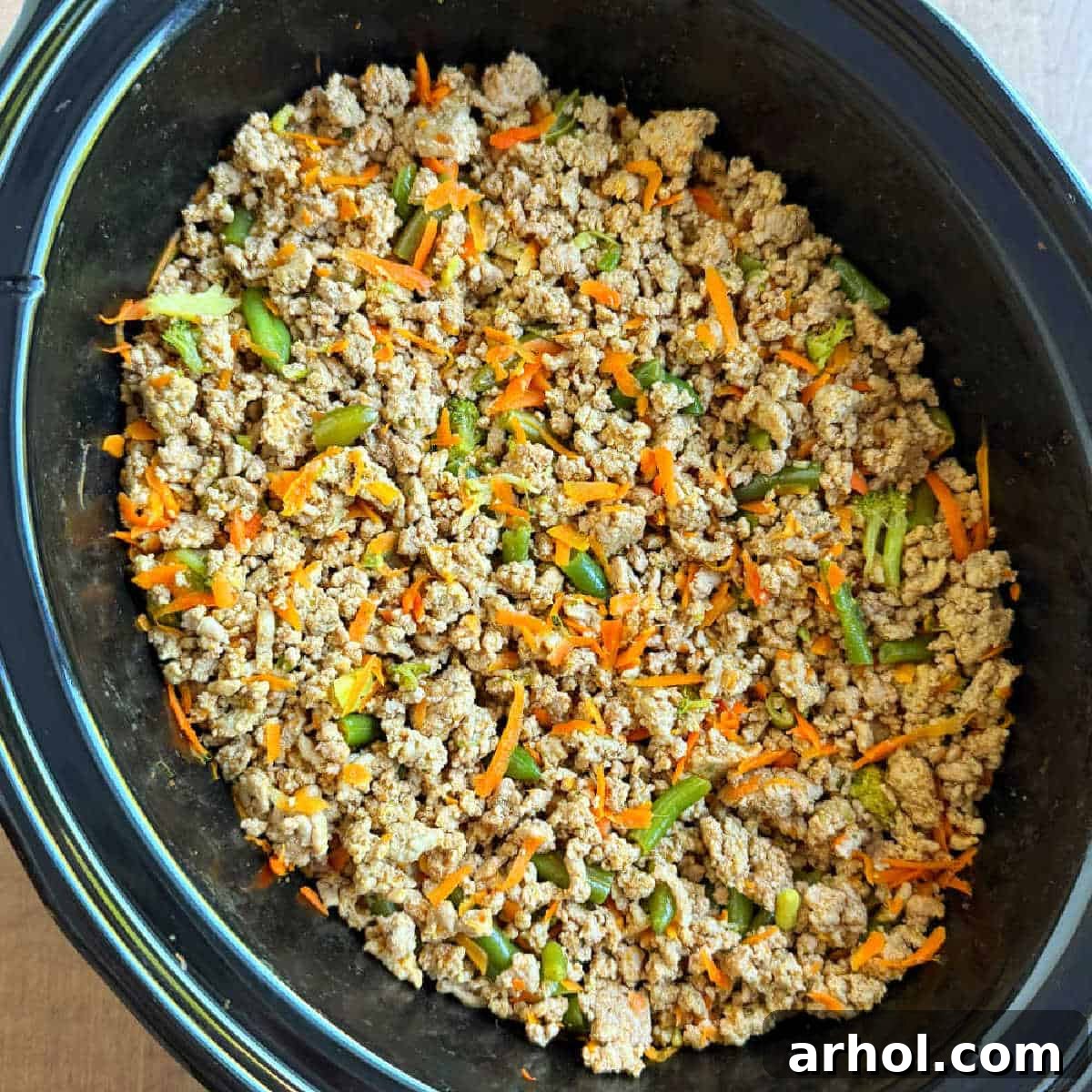
Homemade Grain-Free Dog Food with Ground Turkey & Vegetables (Crockpot Recipe)
Discover an easy and cost-effective way to nourish your furry friend with this delicious, grain-free homemade dog food recipe. Prepared conveniently in your crockpot, this recipe features lean ground turkey and wholesome vegetables, making a large batch that your dogs will absolutely adore. It’s perfect for pups with sensitivities or owners who prefer knowing exactly what goes into their beloved companions’ meals.
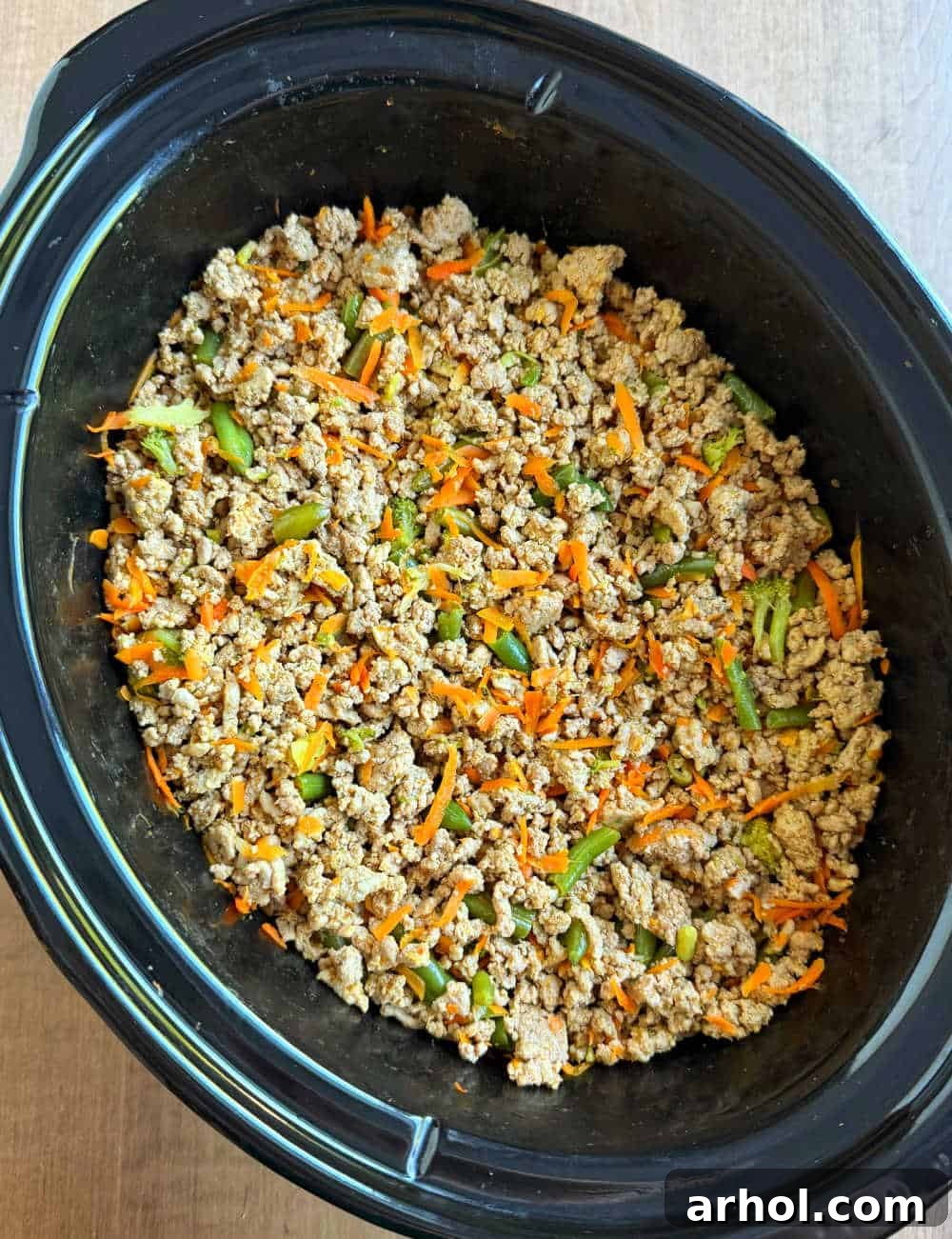
The Convenience of Crockpot Dog Food
For years, crafting homemade meals for our dogs has been a cornerstone of their health and happiness. What began as a simple addition of cooked chicken to their daily kibble evolved into a full transition to wholesome, homemade meals. We even experimented with turkey and rice in the Instant Pot, using it as a delicious topper before making the complete switch. The journey taught us a valuable lesson: homemade dog food is not only often healthier than commercial kibble but also surprisingly more economical than subscription-based delivery services.
One of the greatest advantages of making dog food at home, especially in a crockpot, is the sheer ease and peace of mind it offers. The slow cooker allows ingredients to meld flavors and textures beautifully with minimal effort, transforming raw components into a nourishing meal while you attend to other tasks. There’s an unparalleled satisfaction in knowing every single ingredient your dog consumes, ensuring their diet is free from unwanted fillers, artificial preservatives, and mystery meat by-products often found in commercial options. It’s a simple, set-it-and-forget-it approach to providing superior nutrition.
Embracing a Grain-Free Diet (with Vet Approval)
Our decision to go grain-free for our pups stemmed from severe allergies, a change made only after thorough consultation and approval from our veterinarian. This transition has been incredibly beneficial, and they have been thriving ever since. While their main meals are completely grain-free, we occasionally allow them some grains through special treats, such as frozen homemade dog treats or celebratory doggie birthday cakes. This balanced approach, tailored to their specific needs, has worked wonderfully for our family.
For many dogs, particularly those with digestive sensitivities or certain allergies, a grain-free diet can significantly improve their quality of life. Common signs of grain sensitivity can include skin irritations, chronic ear infections, gastrointestinal upset, or excessive shedding. However, it’s crucial to understand that a grain-free diet isn’t a universal solution and should always be discussed with a qualified veterinarian. They can help identify specific allergens and guide you toward the most appropriate dietary plan. To further boost their health, we also incorporate essential supplements like fish oil for healthy coats and joints, along with vet-approved nutritional supplements, eggs, and various fruits as additional dietary enhancers.
Essential Ingredient Notes for Your Canine Companion
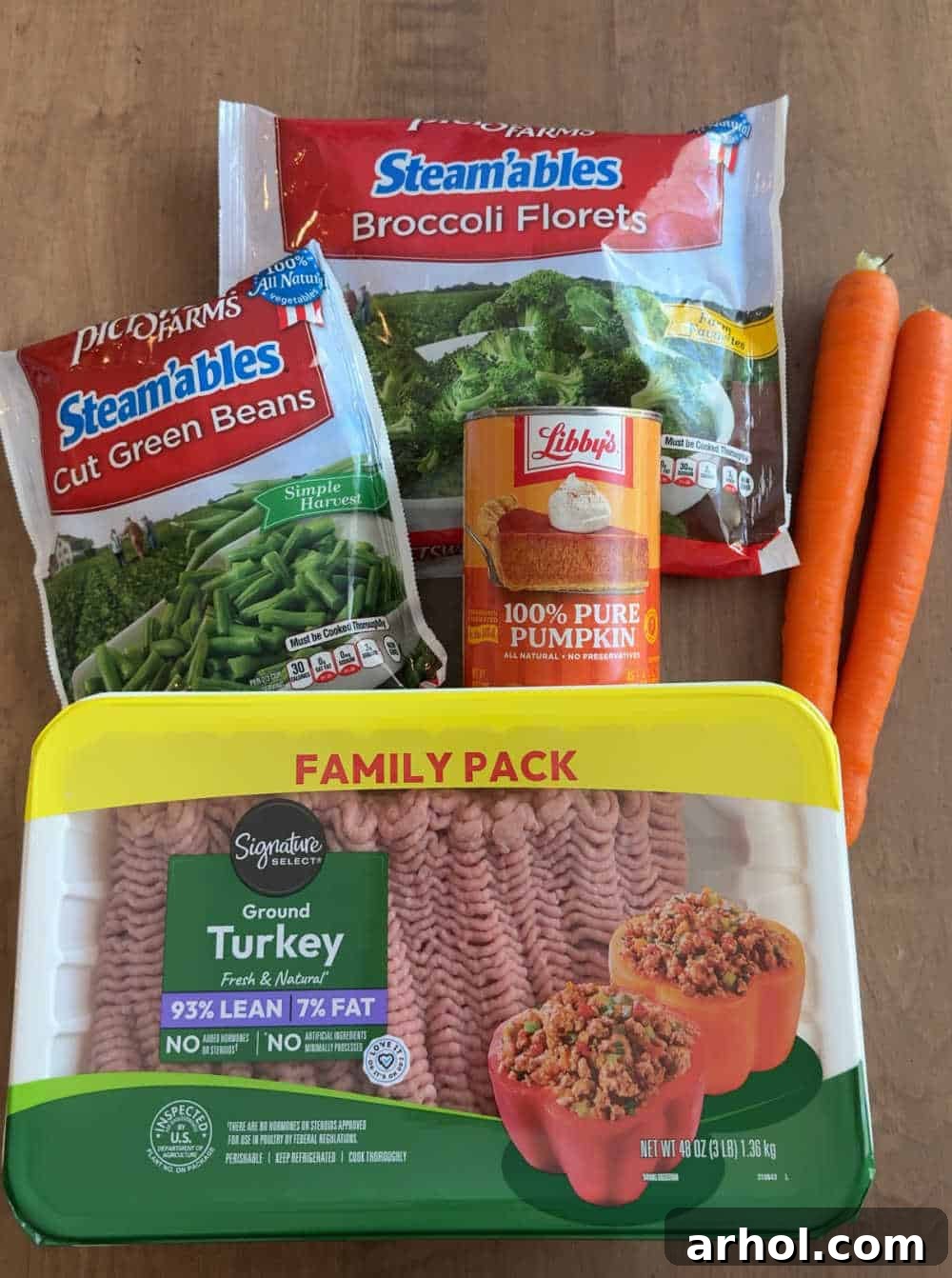
Creating nutritious homemade dog food begins with selecting the right ingredients. While the full, precise amounts are detailed in the recipe card below, here’s a breakdown of the core components and important considerations. Remember, while customization is possible, always verify that all ingredients are safe for dogs. A helpful resource for identifying unsafe foods can be found here.
- Ground Turkey: This lean protein forms the base of our recipe. Ground turkey is highly digestible and provides essential amino acids for strong muscles. It’s an excellent choice for dogs, particularly those sensitive to beef or chicken. You can easily substitute it with other lean ground meats like ground beef or ground chicken, depending on your dog’s preferences and dietary needs. Ensure any meat used is unseasoned.
- Assorted Vegetables: A vibrant mix of vegetables adds crucial vitamins, minerals, and dietary fiber. We typically use a blend of frozen green beans and broccoli florets for convenience and year-round availability. Fresh, grated carrots are also a staple, adding natural sweetness and Vitamin A. For variety and additional nutrients, consider rotating in cooked sweet potatoes or butternut squash. Always avoid vegetables toxic to dogs, such as onions, garlic, leeks, and chives.
- Canned Pumpkin Puree: This is a powerhouse ingredient for canine digestive health. Rich in fiber, pumpkin puree can help soothe upset stomachs, alleviate both diarrhea and constipation, and promote regularity. It’s absolutely vital to use pure canned pumpkin and not pumpkin pie filling, which contains added sugars, spices, and potentially xylitol (a sugar substitute toxic to dogs).
- Coconut Oil: Used sparingly, coconut oil serves multiple purposes in this recipe. A small amount in the skillet helps brown the turkey without sticking, and a touch in the slow cooker can prevent the food from adhering to the bottom. Beyond its functional use, coconut oil is known for potential benefits to canine skin and coat health, as well as its anti-inflammatory properties.
Simple Steps to Make Ground Turkey Dog Food in Your Crockpot
Preparing this wholesome, homemade dog food is straightforward, making it an ideal choice for busy pet parents. Because this recipe yields a generous batch, we begin by lightly browning the ground turkey on the stove to ensure even cooking and optimal flavor. The crockpot then takes over, slowly cooking the ingredients to perfection. Here’s a simplified overview of the process:
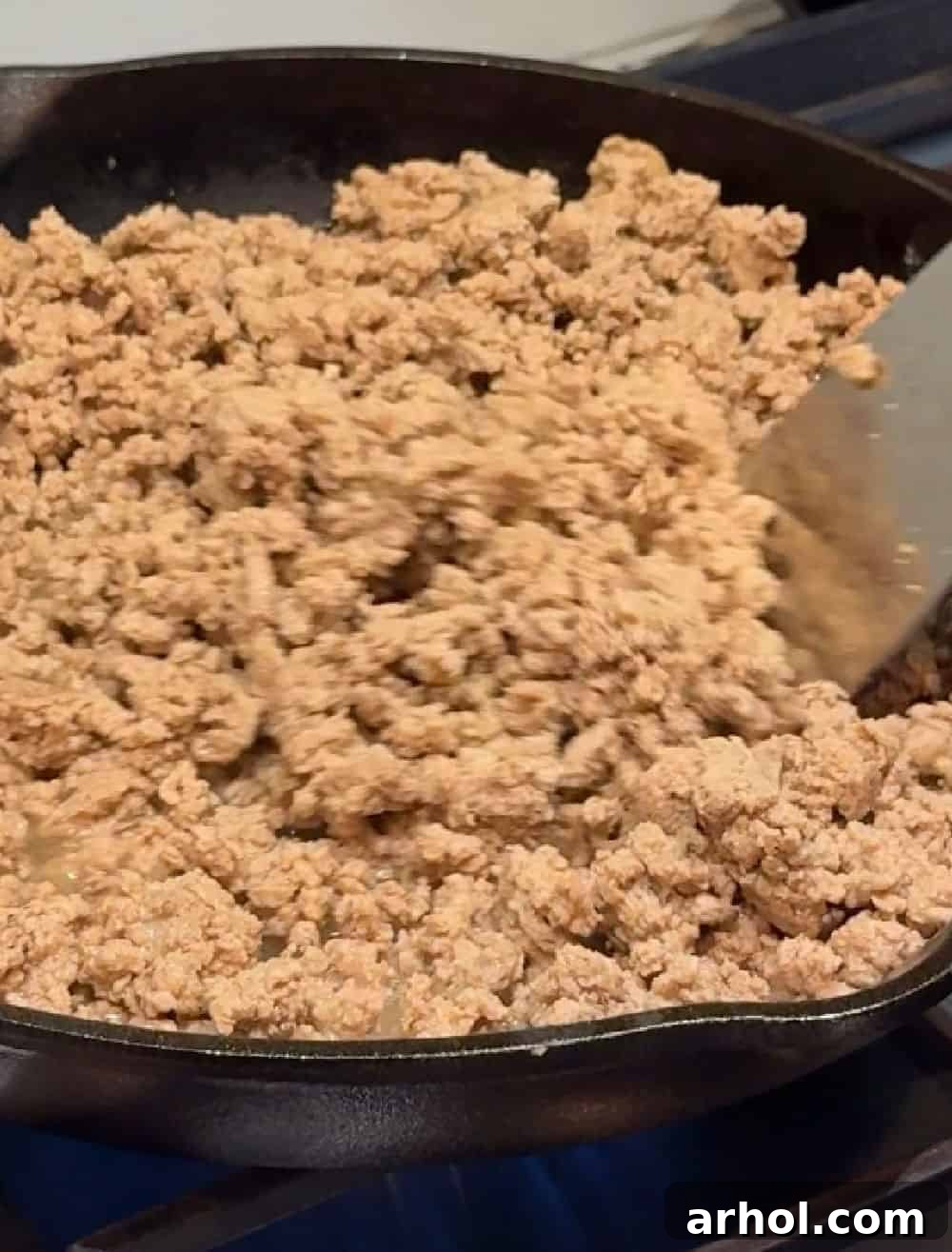
- Start by browning the ground turkey in small batches in a large skillet over medium heat. This ensures it’s cooked through and crumbled before going into the slow cooker.
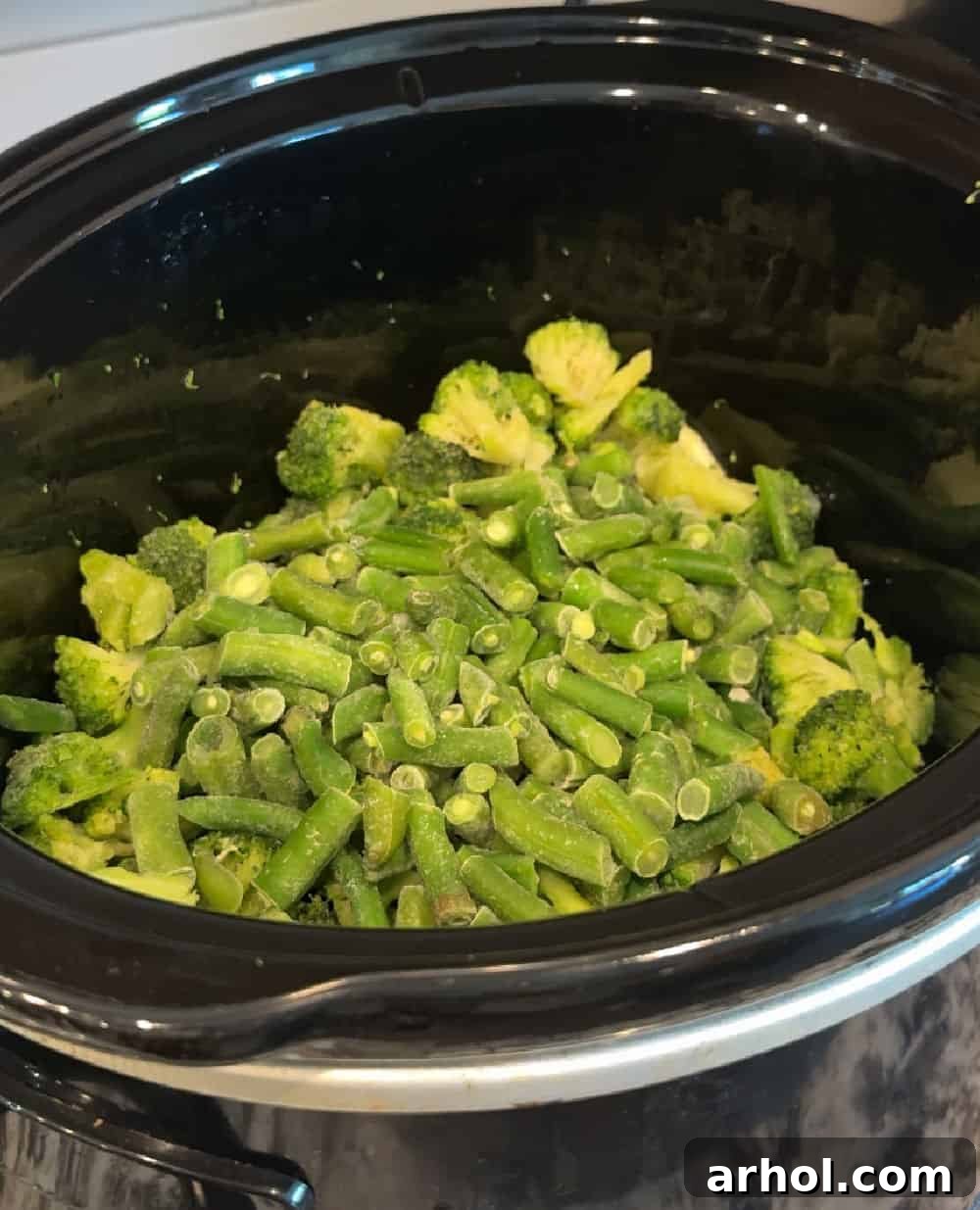
- Once the turkey is lightly browned, transfer it to the crockpot. Layer it over a bed of frozen vegetables, which will soften and release their nutrients during the slow cooking process.
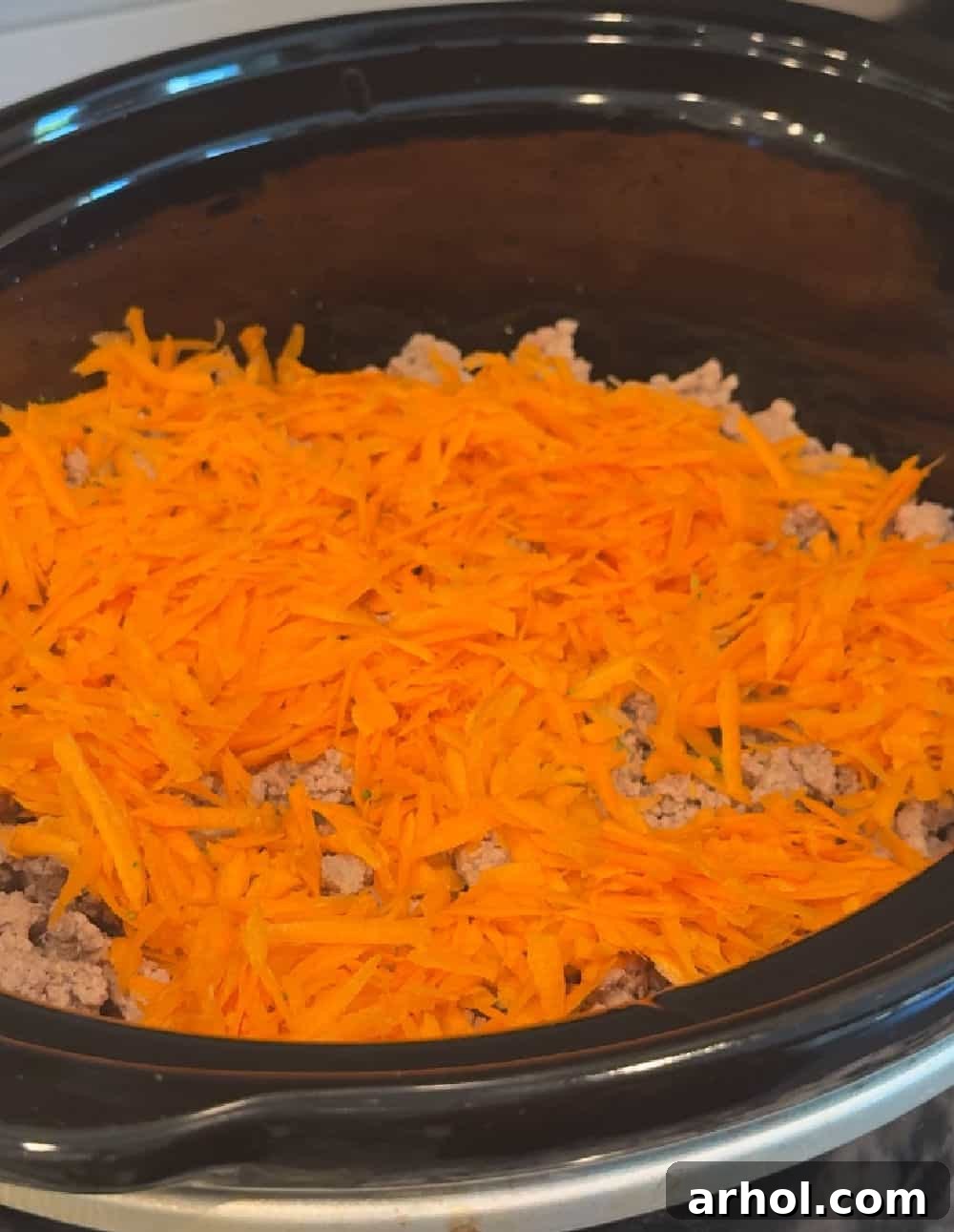
- Add grated carrots on top for an extra boost of vitamins and a touch of color.
- Set your crockpot to cook until the vegetables are tender. This typically takes about 1-2 hours on high or 3-4 hours on a low setting.
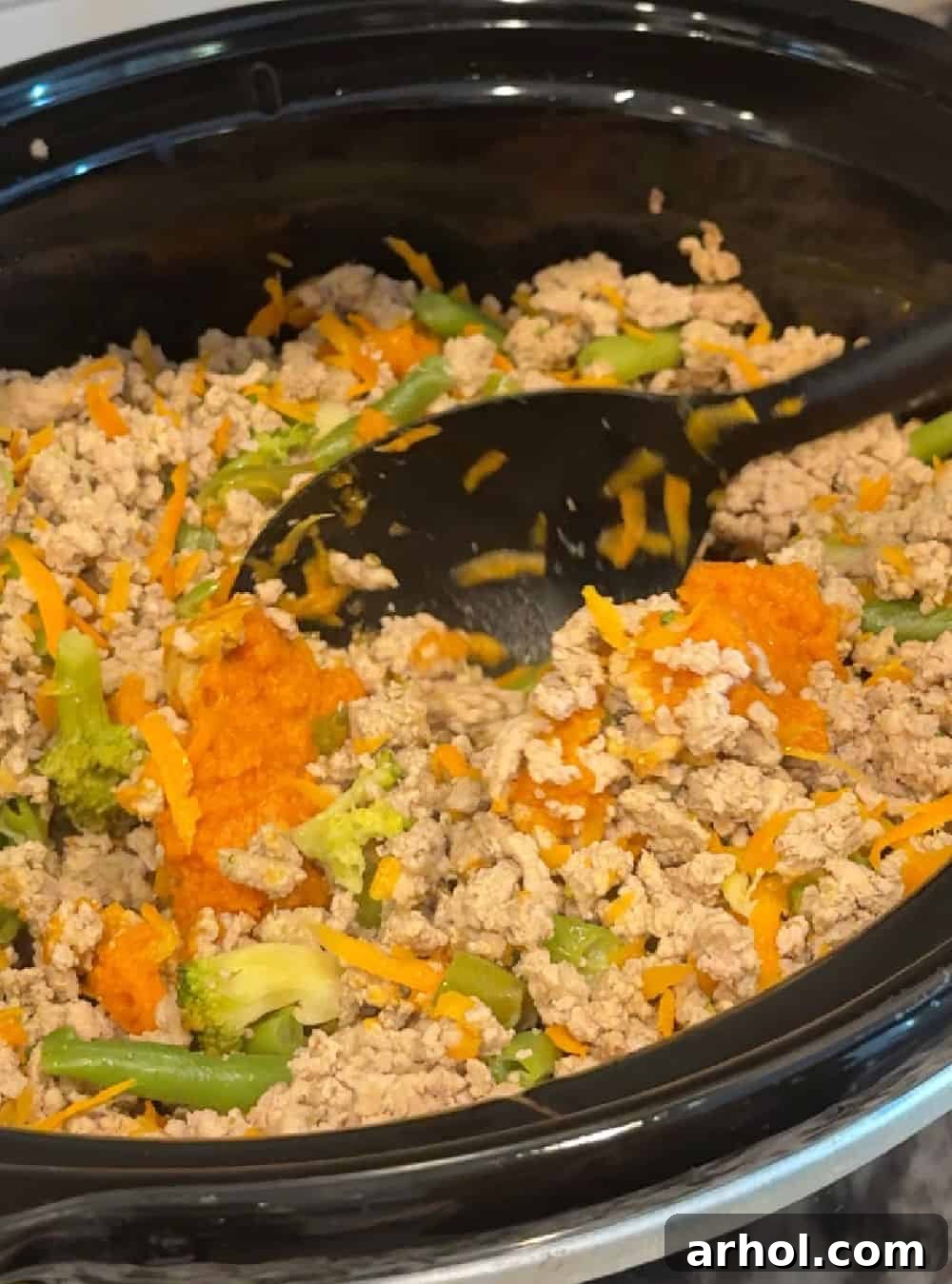
- Once cooked, stir in a small amount of pure canned pumpkin puree. This adds a creamy texture and aids in digestion.
- Allow the entire batch to cool completely before serving it to your eager pups.
This method ensures all ingredients are well-cooked and thoroughly combined, creating a nutritious and delicious meal that’s easy on their digestive systems.
Customizing Your Dog’s Homemade Meal
One of the beautiful aspects of making your own dog food is the flexibility it offers for customization. While this recipe provides a fantastic grain-free base, you can easily adapt it to suit your dog’s specific tastes or nutritional requirements. Always introduce new ingredients gradually and consult with your veterinarian before making significant dietary changes, especially if your dog has allergies or health conditions.
- Protein Alternatives: Instead of ground turkey, consider lean ground chicken, beef, or even lamb. Each protein offers a slightly different nutritional profile and flavor, which can be great for variety. Ensure all meats are cooked thoroughly and unseasoned.
- Vegetable Variations: Expand the vegetable blend! Peas, spinach, zucchini, bell peppers (not spicy ones), or steamed kale can be excellent additions. Just like with the initial ingredients, ensure they are safe for dogs. Lightly steam or cook any firmer vegetables to make them easily digestible.
- Healthy Additions: Boost the nutrient content with a few optional extras. A drizzle of olive oil or flaxseed oil (in addition to or as an alternative to fish oil) can further support skin and coat health. A small amount of plain, unsweetened yogurt (if your dog tolerates dairy) can add probiotics. Cooked eggs, scrambled or boiled, are another fantastic source of protein and vitamins.
Remember, balance is key. If you’re frequently altering the main components of the meal, a vet or a veterinary nutritionist can help ensure your dog is still receiving a complete and balanced diet. This personalized approach truly enhances your dog’s well-being.
Determining How Much to Feed Your Dog
Figuring out the right portion size for homemade dog food is essential for maintaining your dog’s health and ideal weight. A common guideline suggests feeding a pet approximately 2-3 percent of its body weight daily. However, this is a very general rule, and the precise amount your dog needs will fluctuate based on several important factors:
- Breed and Build: Different breeds have varying metabolic rates and ideal body compositions. A high-energy working breed might need more calories than a more sedentary toy breed of similar weight.
- Age: Puppies and very active young dogs require significantly more calories and nutrients for growth and energy compared to adult dogs. Senior dogs, often less active, might need fewer calories to prevent weight gain.
- Activity Level: A dog that spends hours running and playing will burn more calories than one that enjoys lounging on the couch. Adjust food portions according to their daily exercise.
- Weight Goals: If your veterinarian recommends your dog gain or lose weight, their food intake will need to be carefully controlled. For weight loss, a slightly reduced portion may be necessary; for weight gain, a modest increase.
- Health Conditions: Certain medical conditions can affect a dog’s metabolism or appetite. Always follow your vet’s advice regarding diet if your dog has any health issues.
It cannot be stressed enough: always consult with your veterinarian to determine the precise amount of homemade food to feed your dog. They can provide personalized advice based on your dog’s individual health profile, ensuring they receive adequate nutrition without over or under-feeding.
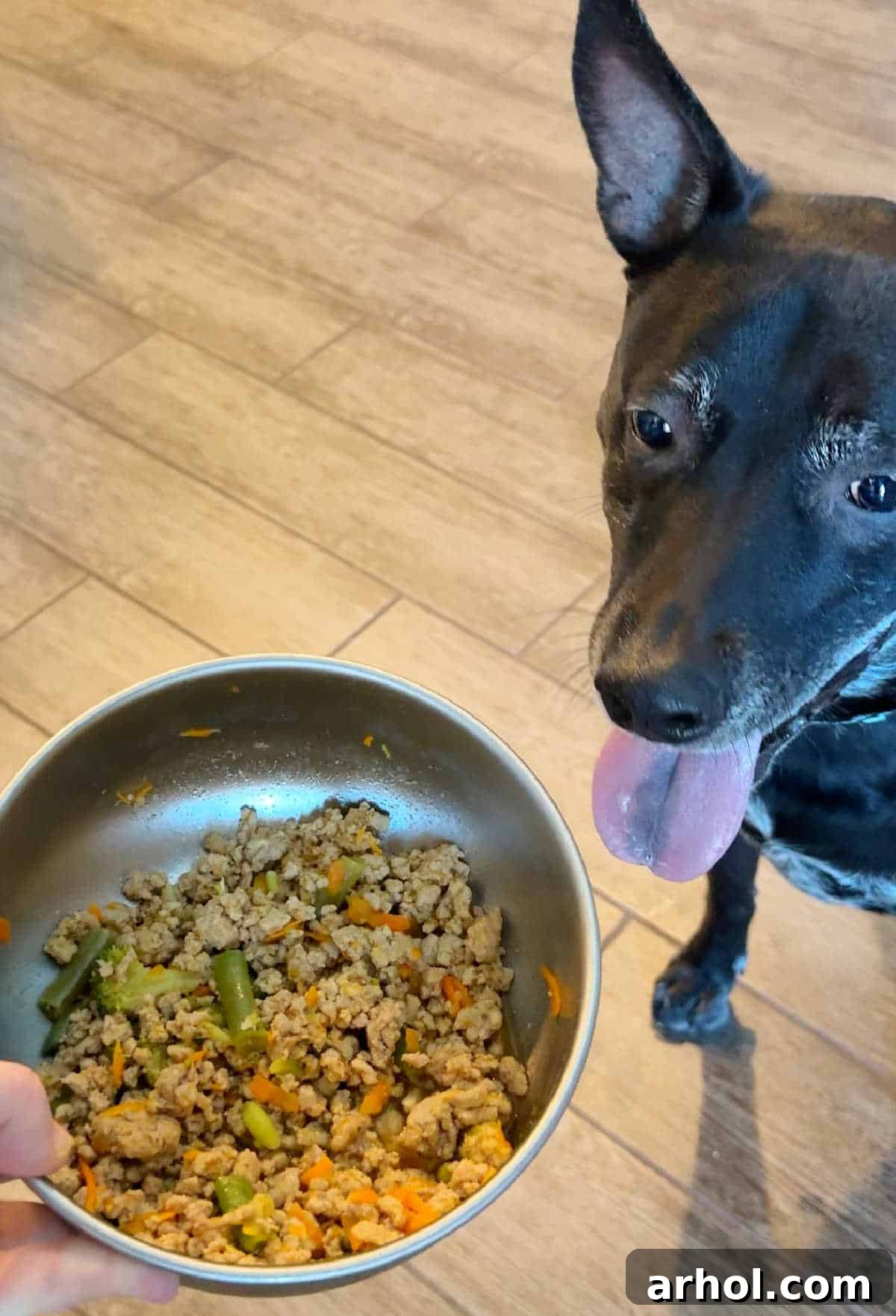
Storage and Meal Prep Tips for Homemade Dog Food
Making large batches of homemade dog food is incredibly efficient, but proper storage is key to maintaining freshness and ensuring your pups enjoy safe, healthy meals. This recipe is designed to be easily stored and prepped for convenience throughout the week or even for months.
- Refrigeration: Once the food has cooled completely, transfer it to airtight containers. It will keep fresh in your refrigerator for up to one week. This makes daily feeding quick and hassle-free.
- Freezing: For longer storage, homemade dog food freezes beautifully. Portion the cooled food into individual baggies or freezer-safe containers. This allows you to thaw only what you need, reducing waste. It can be safely stored in the freezer for up to 3 months. To thaw, simply move a portion to the refrigerator the night before, or use a microwave on a defrost setting just before mealtime.
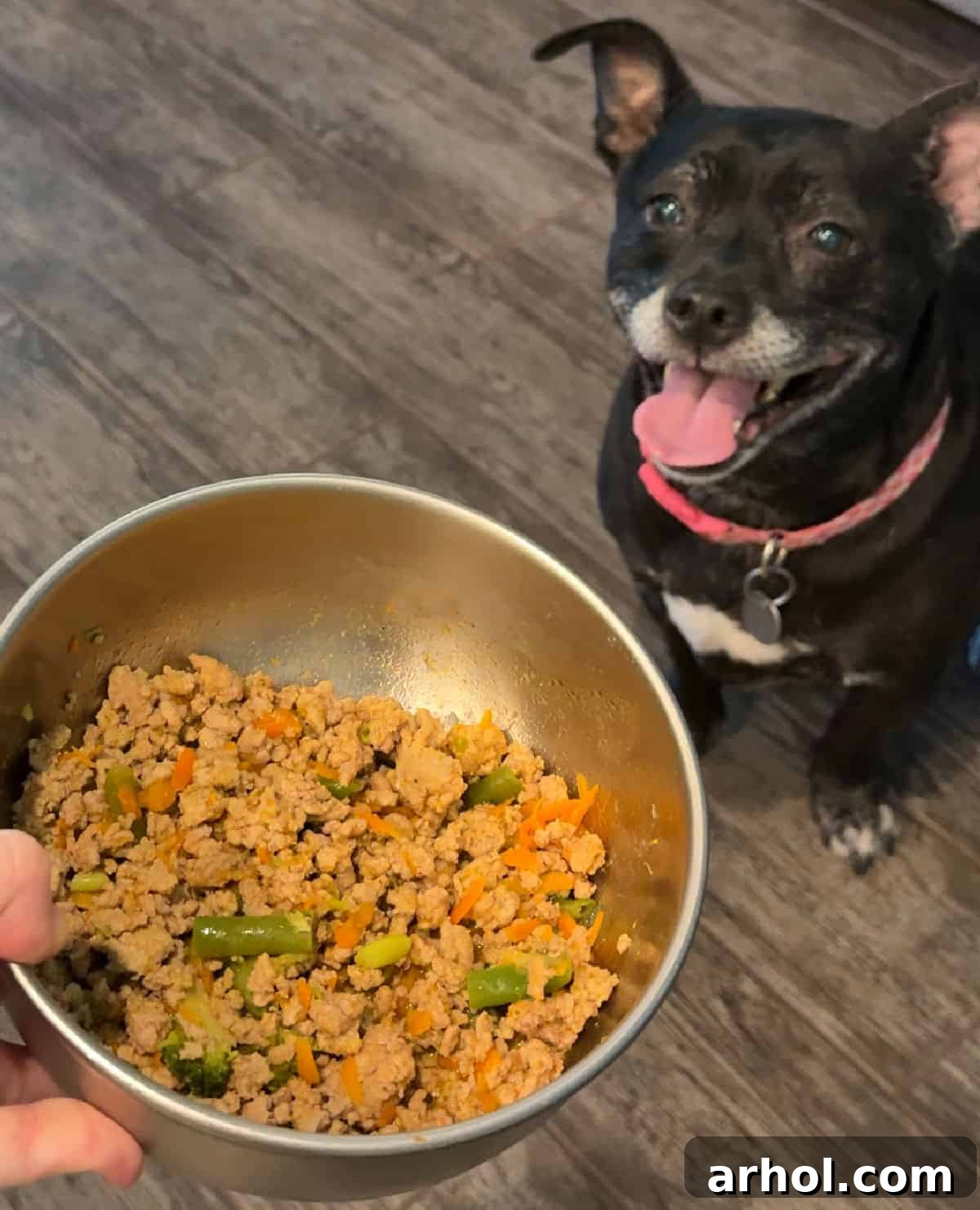
- Easy Meal Prep: To streamline feeding, we often portion out the food for each dog into separate containers for the entire week. Since our dogs eat twice a day, having these pre-portioned meals in the fridge makes their feeding routine much simpler and more consistent. It’s a great way to manage portion control and ensure they get the right amount at each meal.
By following these storage tips, you can enjoy the benefits of homemade dog food without the daily cooking commitment.
Recipe Tips
If you don’t need a large quantity, this recipe can easily be halved to suit your needs. We highly recommend portioning out the cooked food into individual servings for each dog and storing them in containers in the fridge. This makes twice-daily feeding effortless and ensures consistent meal sizes.
Important Health and Safety Disclaimer
Please note that I am not a veterinarian or a pet health expert. This homemade dog food recipe has been developed for my own dogs, taking into account their specific needs and with the full approval and guidance of our family veterinarian. It works well for them, contributing to their overall health and vitality.
However, every dog is unique, with individual dietary requirements, potential allergies, and health conditions. Therefore, it is absolutely essential to consult with your personal veterinarian before making any changes to your pet’s diet or introducing new foods, including this recipe. Your vet can assess your dog’s specific nutritional needs, identify any potential risks, and ensure that a homemade diet is appropriate for them.
When introducing any new food, always do so gradually over several days to avoid digestive upset. Start with a small amount mixed with their current food and slowly increase the proportion. Additionally, our dogs receive supplementary vitamins, minerals, and other nutritional supplements as recommended by our vet. Discuss with your veterinarian to determine what additional supplements, if any, your dogs might need to ensure a complete and balanced diet.
Your dog’s health is paramount, and professional veterinary advice is irreplaceable.
Print Recipe
Homemade Grain-Free Dog Food
This homemade dog food recipe with ground turkey and vegetables is easy to make in the crock pot. Dogs love the taste, and it makes a big batch. Plus, it’s grain-free!
Equipment
- 1 crock pot (slow cooker)
- Large skillet
Ingredients
- 1 tablespoon coconut oil
- 6 pounds ground turkey
- 10 oz frozen broccoli florets
- 10 oz frozen green beans
- 2 medium carrots, grated (about 1½ cups)
- ¼ cup pumpkin puree (ensure it’s 100% pure, not pie filling)
Instructions
- In a large skillet, melt the coconut oil over medium heat. Brown the ground turkey in batches, breaking it up into small crumbles as it cooks through.
- Set your crock pot to the high setting. Place the frozen vegetables (broccoli and green beans) in the bottom of the slow cooker.
- Spoon the cooked, crumbled turkey evenly over the layer of vegetables in the crock pot.
- Sprinkle the grated carrots on top of the turkey layer.
- Cook on high for approximately 1-2 hours, or on low for 3-4 hours, until the vegetables are soft and tender. Break up any larger vegetable pieces as needed.
- Once cooked, stir in the pumpkin puree until well combined. Allow the entire mixture to cool completely before serving to your dog.
Video
Watch a quick video demonstration of how to make this homemade dog food!
Notes
Always get veterinarian approval when changing your dog’s food and before adding any supplements. We supplement this recipe with pet vitamins, fish oil, and occasional eggs, plus fruit and approved treats. Consult with your vet for specific needs.
You can change up the protein (e.g., ground beef, chicken) and vegetables (e.g., sweet potatoes, peas) to suit your dog’s tastes, always ensuring they are safe for canine consumption.
This recipe can easily be halved if you prefer to make a smaller batch.
Nutrition
Approximate Nutrition per 1 cup serving:
- Calories: 263 kcal
- Carbohydrates: 4g
- Protein: 50g
- Fat: 5g
- Saturated Fat: 2g
- Polyunsaturated Fat: 1g
- Monounsaturated Fat: 1g
- Trans Fat: 0.04g
- Cholesterol: 115mg
- Sodium: 122mg
- Potassium: 772mg
- Fiber: 2g
- Sugar: 2g
- Vitamin A: 2640 IU
- Vitamin C: 23mg
- Calcium: 29mg
- Iron: 2mg
Nutrition information is automatically calculated and should only be used as an approximation. Consult a veterinary nutritionist for precise dietary planning.
Additional Info
Enjoyed this recipe? Leave a comment below!
We’d love to hear how your pups liked this homemade meal.