
How We Cultivated Peace and Harmony: A Week-Long Sibling Empathy Experiment That Changed Our Home
Hello everyone!
A few weeks ago, I shared my ambitious vision for a summer filled with “Peace, Love, and Sibling Harmony” amongst my children. The reality of having everyone home for an extended period meant that nerves were constantly frayed, and patience was perpetually in short supply. I found myself in the unenviable position of a full-time mediator, constantly stepping in to quell disputes that ranged from petty squabbles to full-blown arguments. My ultimate goal was to foster a deeper understanding and appreciation among them, hoping that if they truly “walked in each other’s shoes” for a dedicated period, they might learn to get along better and appreciate their individual quirks and strengths. The concept was simple yet profound: encourage them to see the world from their siblings’ perspectives, to truly get to know each other beyond the daily bickering.
The Genesis of Our Sibling Harmony Project: From Chaos to Calm
The Unbearable Summer of Sibling Squabbles
Before embarking on this journey, our home was often a battlefield. The constant presence of four children meant that every toy was a potential point of contention, every shared space an arena for power struggles. Doors slammed, voices rose, and tears flowed on a daily basis. As a parent, witnessing this incessant friction was exhausting and disheartening. It felt like I was spending more time refereeing than parenting, constantly breaking up fights over trivial matters – who touched what, who got the bigger slice of dessert, whose turn it was on the computer. This cycle of conflict not only eroded the peace within our home but also strained my relationship with each child, as I often felt like the “bad guy” having to intervene. The summer, which should have been a time of joy and relaxation, was quickly turning into a season of stress and exasperation. Something had to give, and I knew a drastic, intentional change was needed to rescue our family dynamic.
A Parent’s Plea for Peace: The “Walk in Their Shoes” Philosophy
My core belief was that if my children truly understood each other, if they could empathize with their siblings’ joys, frustrations, and interests, much of the rivalry would naturally dissipate. The “walk in their shoes” concept wasn’t just a catchy phrase; it was the psychological cornerstone of my plan. It aimed to break down preconceived notions and encourage genuine curiosity about each other’s inner worlds. I wanted them to experience what it felt like to be their brother or sister – to engage in their hobbies, understand their challenges, and truly listen to their perspectives. This wasn’t about forcing friendship, but about cultivating respect and understanding. I hoped this exercise would reveal that beneath the sibling rivalry were individuals with unique talents, passions, and feelings, worthy of connection rather than conflict. This intentional effort to foster empathy could, I believed, lay the foundation for lasting sibling harmony.
Crafting the Diplomacy Protocol: Our Step-by-Step Action Plan
Laying the Groundwork: Treating It Like a Serious Endeavor
To ensure my children took this initiative seriously, I decided to frame it not as a parental whim, but as a genuine diplomatic exercise. This meant approaching it with a level of formality and structure typically reserved for more significant undertakings. We didn’t just casually discuss it; we developed a comprehensive “Action Plan.” This plan wasn’t just spoken; it was meticulously written down, outlining our goals, the activities, and the expectations for each participant. We even established a schedule, which we committed to following as diligently as possible. This structured approach lent an air of gravity to the entire process, signaling to the children that this was an important, non-negotiable family project. The act of putting it in writing, displaying it, and regularly referring to it helped everyone stay accountable and invest their best effort into achieving our shared goal of sibling harmony. It transformed a potential chore into a purposeful mission.
The Grand Commencement: A Ceremony of Intent
Our week of intentional sibling connection began with a unique and memorable kick-off ceremony in our backyard one evening. This wasn’t just a casual gathering; it was designed to be symbolic and impactful, marking the official start of our “Peace, Love, and Sibling Harmony” project. We gathered as a family, and I began by reiterating the rules and the purpose of the week, ensuring everyone understood the gravity and importance of our mission. Then, in a moment that was both earnest and a little whimsical, we lit a candle, symbolizing illumination and the spark of new understanding we hoped to ignite. The children, somewhat reluctantly at first but then with growing smiles, joined hands and, yes, we sang “Kumbaya.” It was a moment of shared vulnerability and commitment, setting a tone of unity and open-heartedness. This symbolic beginning helped to shift their mindset from skepticism to tentative curiosity, preparing them for the transformative journey ahead, a journey towards true sibling connection.
Immersion and Exchange: The Daily Blueprint for Connection
The Digital Detox and Room Reassignments: Breaking Old Patterns
Immediately following our opening ceremony, we implemented two crucial changes designed to disrupt established patterns and foster forced interaction. First, all electronic devices – phones, tablets, gaming consoles – were collected. This “digital detox” was paramount, as I believed constant screen time often served as a barrier to genuine face-to-face interaction and contributed to isolation. With their usual distractions removed, the children were compelled to seek engagement with each other. Secondly, for the four oldest children who shared rooms, we made a strategic decision: new roommate assignments. This meant that siblings who rarely interacted beyond a quick “hello” were now sharing a more intimate space, requiring them to negotiate, compromise, and simply talk more. This reshuffling of living arrangements was specifically designed to foster new dynamics and encourage deeper conversations before bedtime, moving them out of their comfort zones and into novel collaborative environments. The initial grumbles quickly gave way to unexpected conversations and shared secrets.
Stepping into Their World: Hobby Swaps and Skill Shares
One of the most enlightening aspects of our week was the daily “hobby swap.” Each day, one child was designated to teach their siblings about one of their favorite interests or hobbies. This particular activity was a revelation, not only for the learners but also for the teachers, who had to articulate their passions and patiently guide their siblings. It was incredibly heartwarming and often hilarious to witness. One day, I’d peek in to find them earnestly learning basic German phrases from their older sister, the next they’d be attempting to speak Mandarin, or meticulously trying on makeup under the tutelage of their resident beauty enthusiast. We had sessions dedicated to the intricate world of Minecraft, collaborative Lego building projects that sparked incredible creativity, and even lessons in the five basic dance positions, complete with impromptu choreography. These shared experiences broke down barriers, fostering admiration and genuine laughter as they navigated unfamiliar terrains together. It was a powerful way for them to appreciate the unique talents and passions each sibling possessed, truly seeing each other as individuals with fascinating worlds to explore.
Beyond Play: The Chore Carousel and Shared Responsibilities
To further reinforce the idea of empathy and shared experience, we also implemented a “chore carousel.” This meant that throughout the week, each child had to rotate through different household chores, experiencing firsthand the responsibilities typically assigned to another sibling. The goal was to eliminate the “that’s not my job” mentality and to foster an appreciation for the effort involved in maintaining our home. The child who usually cleaned the bathroom might suddenly find themselves tackling the dishes, while the habitual kitchen helper might be responsible for tidying the living room. This exchange of duties led to some interesting revelations; tasks perceived as “easy” by one child were often found to be surprisingly challenging or time-consuming by another. It instilled a greater sense of teamwork and mutual respect, as they began to understand and acknowledge the contributions each person made to the smooth running of our household. It also provided numerous opportunities for them to help each other, strengthening their bonds through shared effort and mutual appreciation.
The Evening Wind-Down: Unstructured Bonding
As the week drew to a close, the final evening was dedicated entirely to unstructured bonding. The rule remained firm: absolutely no electronics were allowed! This intentional absence of screens created a space for genuine connection. Instead of retreating to their individual devices, the children were encouraged to simply “hang out” and enjoy each other’s company. This led to spontaneous games, storytelling, quiet conversations, and shared laughter. It was beautiful to observe them naturally gravitate towards activities that fostered interaction – board games, card games, drawing together, or simply chatting about their day. This evening of pure, unadulterated sibling time was a testament to how far they had come, demonstrating a newfound comfort and enjoyment in each other’s presence that had been sorely missing before the experiment began. It allowed them to solidify the bonds forged throughout the week without any external distractions, truly savoring the simple joy of companionship.
The Culmination: Reflection and Renewal
The Dessert Dialogue: Unpacking the Week’s Revelations
On the final day of our sibling harmony experiment, we gathered for a special celebratory dinner, concluding with a crucial “dessert dialogue.” This wasn’t just a casual chat; it was a structured reflection session designed to solidify the week’s learnings. Each child was prompted to share specific insights. They had to name at least one new thing they had learned about each of their siblings. This led to wonderful revelations, from discovering a hidden talent to understanding a personal struggle. They also had to articulate what they admired most about each other, fostering positive affirmations and building self-esteem. Finally, and perhaps most importantly, they had to bravely share what specific behaviors from their siblings truly “set them off,” allowing for open and honest communication about boundaries and triggers. This facilitated a deeper level of self-awareness and mutual understanding, providing concrete points for improvement and more respectful interactions moving forward. The dialogue was insightful, emotional, and incredibly productive.
A Solemn Pledge: Reaffirming Respect and Empathy
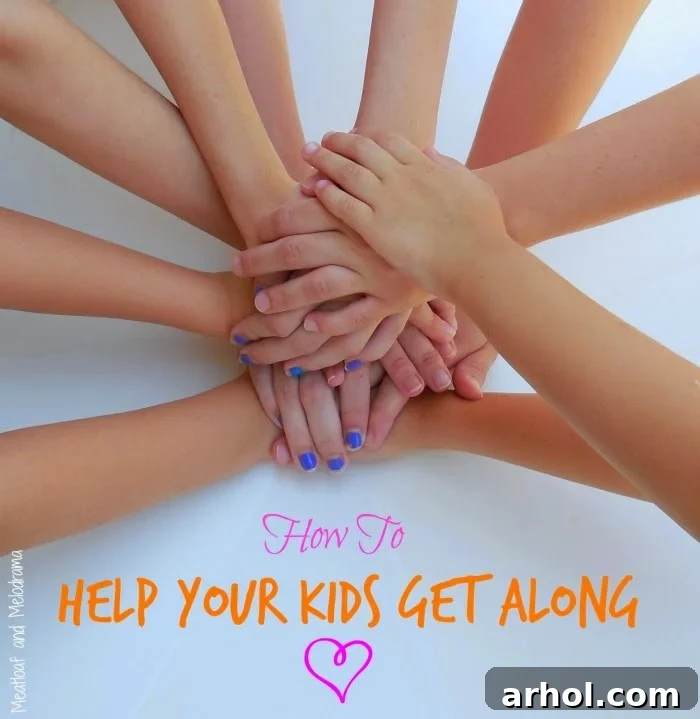
We concluded our transformative week with another poignant candle-lighting ceremony, mirroring our opening. This closing ritual served as a powerful way to bring the experiment to a meaningful close and solidify the commitments made. Hand in hand, the children collectively made a solemn pledge: to consciously consider each other’s feelings before reacting impulsively or lashing out, and to strive for greater respect in all their interactions. It was a truly moving moment, witnessing their genuine commitment to fostering a more peaceful and empathetic environment. And, as a charming bookend to our journey, they once again sang “Kumbaya,” but this time with noticeably more enthusiasm and sincerity, their voices blending in a harmony that reflected the change within our home. This final act symbolized not just the end of an experiment, but the beginning of a renewed family dynamic, built on understanding, respect, and a commitment to sustained harmony.
The Enduring Impact: Did Our Experiment Work?
Measurable Shifts: A Quieter, More Harmonious Home
The million-dollar question: did it work? To my pleasant surprise, the answer is a resounding yes! While I wouldn’t claim to have eradicated sibling squabbles entirely – after all, some degree of sibling friction is a natural part of growing up and developing individual personalities – there has been a significant, measurable shift in our home environment. The incessant petty fighting that once plagued our daily lives has demonstrably decreased. My children now make a far more conscious effort to get along, to communicate more effectively, and to resolve minor disagreements with greater patience and less drama. There’s a tangible difference in the atmosphere; it feels lighter, more joyful, and significantly less contentious. The experiment fostered a deeper sense of empathy and mutual respect that continues to influence their daily interactions, proving that intentional effort can indeed lead to profound changes in family dynamics and cultivate a more peaceful home.
The “Threat” of Harmony: Our Unexpected Peacekeeping Tool
Perhaps the most amusing, yet effective, long-term outcome of our “Sibling Harmony Week” is the unexpected deterrent it created. While the children undoubtedly benefited from the experience, it was also undeniably intensive for them, pushing them out of their comfort zones and challenging their habits. Now, whenever old patterns of squabbling start to resurface and arguments begin to escalate beyond a healthy debate, I simply issue a gentle warning: “Would you like another week of sibling harmony?” The mere suggestion of repeating the experiment is usually enough to stop the bickering in its tracks. The memory of the structured activities, the lack of electronics, and the intense focus on interaction quickly brings them back to a state of cooperation. It’s become our secret weapon, a powerful reminder of the lessons learned and the peace we all now cherish. This “threat” of a return to forced harmony serves as a constant, gentle nudge towards maintaining the respect and understanding they worked so hard to build, ensuring our home remains a haven of peace.
Beyond the Week: Sustaining Sibling Harmony
Embarking on Your Own Journey to Peace
Our experience has shown me that intentional, structured interventions can profoundly impact family dynamics. While every family is unique, the core principles of empathy, understanding, and respectful communication are universal. I sincerely hope that by sharing our journey, I might inspire other parents grappling with sibling rivalry to consider a similar approach. Would you ever contemplate trying an experiment like this in your home? Perhaps a modified version tailored to your family’s specific needs and ages? If you have already ventured into such a project, whether it was a similar “empathy week” or a different strategy, I would absolutely love to hear about your experiences, your successes, and even your challenges. Sharing our stories helps us all grow as parents and fosters a community of support in navigating the beautiful, often chaotic, world of family life. Let’s learn and grow together in the pursuit of family peace.
A Final Note of Gratitude and Hope
Thank you so much for taking the time to read about our transformative week of “Sibling Peace, Love, and Harmony.” It was an intense but incredibly rewarding experience that has, without a doubt, made our home a more peaceful and joyous place. May your days be filled with harmony, understanding, and abundant love within your own families.
Warmly,
Dee 🙂