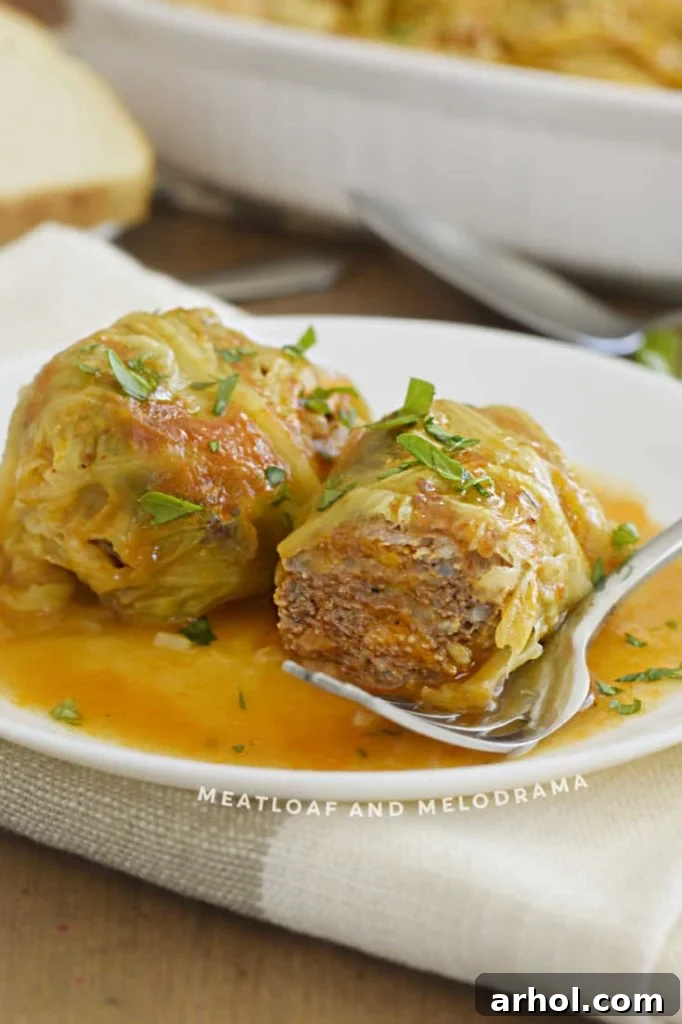
There’s nothing quite like the comforting aroma and hearty taste of Grandma’s Cabbage Rolls, known in many Eastern European cultures as Halupki. This cherished recipe brings together tender cabbage leaves wrapped around a flavorful filling of seasoned beef, pork, and rice, all slow-simmered in a rich, tangy tomato soup sauce. Whether you choose to pressure cook them for a quicker meal or bake them to perfection in the oven, these stuffed cabbage rolls are the epitome of heartwarming comfort food, perfect for a special family gathering or a cozy weeknight dinner.
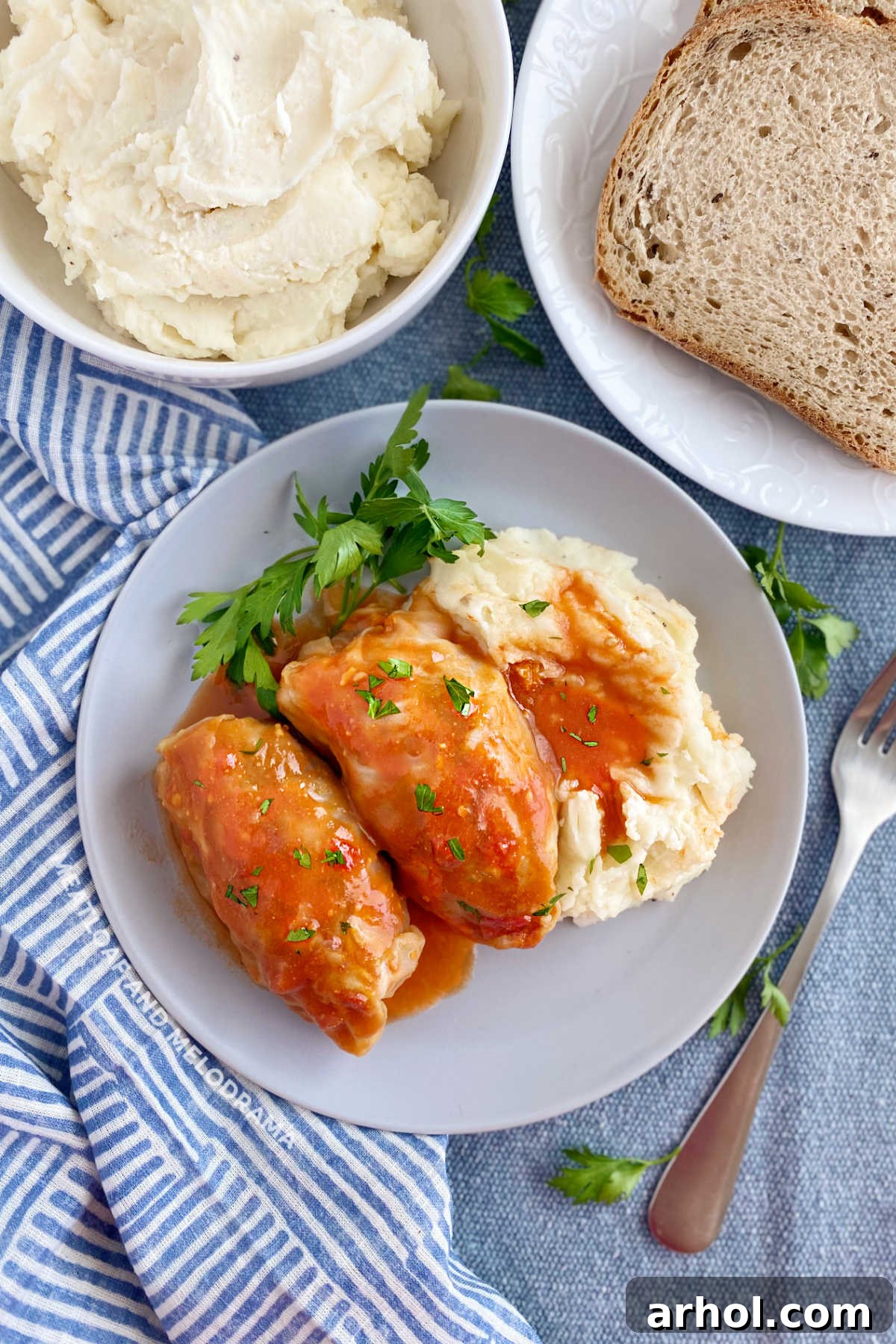
Table of Contents
- The Legacy of Cabbage Rolls
- Why This Halupki Recipe Stands Out
- Essential Ingredients
- Step-by-Step Guide to Making Cabbage Rolls
- Softening Cabbage Leaves: The Key to Perfect Rolls
- Crafting the Savory Filling
- The Art of Rolling Cabbage Leaves
- Cooking Methods: Oven-Baked vs. Instant Pot
- Perfecting the Tomato Soup Sauce
- Serving Suggestions: What to Pair with Halupki
- Variations and Substitutions for Your Cabbage Rolls
- Storage and Reheating Tips
- Stuffed Cabbage Rolls (Halupki) Recipe
- FAQs About Cabbage Rolls
The Legacy of Cabbage Rolls
Cabbage rolls, a dish with deep roots across Eastern Europe and beyond, hold a special place in culinary history. Known by many names – Halupki in Slovak cuisine, Holubtsi in Ukrainian traditions, and Golumpki in Polish households – these delightful parcels symbolize warmth, heritage, and the comfort of home-cooked meals. Historically, they were a way to make hearty use of available ingredients, stretching meat and rice with inexpensive cabbage, especially during colder months or for festive occasions like Christmas and Easter. My grandma, like many others, perfected her Halupki recipe over years, turning simple ingredients into a dish that evokes powerful memories and satisfied smiles.
Why This Halupki Recipe Stands Out
While sticking true to the essence of grandma’s traditional Slovak cabbage rolls, I’ve subtly enhanced this recipe for modern palates, adding a touch more seasoning to truly make the flavors sing. The secret to its incredible depth lies in the savory sauce, a delicious blend of classic tomato soup and rich beef broth. This combination ensures that each tender cabbage roll is enveloped in a luscious, tangy sauce that seeps into the filling, creating an unforgettable taste experience. This recipe offers flexibility in cooking methods too, allowing you to choose between the time-saving efficiency of a pressure cooker (like an Instant Pot) or the slow, even bake of an oven, making it adaptable to any schedule.
Essential Ingredients
Crafting these delectable stuffed cabbage rolls requires a thoughtful selection of a few straightforward ingredients. Quality is key to achieving that authentic, heartwarming flavor.
- Cabbage: Opt for either one large or two medium-sized heads. Green cabbage is traditional, but a savoy cabbage can offer a slightly different texture. Look for firm, fresh heads with vibrant leaves.
- Ground Meats: A combination of lean ground beef and ground pork is ideal. The beef provides a robust flavor, while the pork adds richness and moisture. You can substitute ground sausage for pork if you prefer a spicier kick.
- Cooked Rice: White rice, such as jasmine or long-grain, works best for its texture and ability to absorb flavors. Ensure it’s cooked al dente before mixing with the meat.
- Tomato Soup: This is grandma’s secret ingredient for the sauce, providing a creamy, tangy base that truly defines the Halupki flavor.
- Beef Broth: Essential for simmering the rolls and creating a flavorful sauce. Water can be used as an alternative, but broth adds significant depth.
- Seasonings: Salt, freshly ground black pepper, garlic powder, and paprika (smoked or regular) are crucial. Smoked paprika adds a wonderful layer of smoky complexity that elevates the dish.
You’ll also need standard kitchen tools like a large cutting knife, a paring knife or kitchen scissors, kitchen tongs, mixing bowls, and a substantial pot or Dutch oven for preparing the cabbage and cooking the rolls.
Step-by-Step Guide to Making Cabbage Rolls
Making homemade cabbage rolls is a labor of love, but each step is straightforward and contributes to the incredible final product. While it does take time, the reward of this classic comfort food is truly worth the effort.
Softening Cabbage Leaves: The Key to Perfect Rolls
The most crucial and often most time-consuming part of preparing cabbage rolls is getting the leaves perfectly soft and pliable for rolling. Several methods can achieve this:
- Stovetop Boiling (Recommended): Begin by carefully removing the outer, tougher leaves and coring the cabbage head with a sharp knife. Place the entire cored cabbage head into a large pot or Dutch oven filled with gently simmering water. Allow it to steam for about 3-5 minutes, or until the outer leaves begin to soften. Using kitchen tongs, carefully peel off the softened leaves and set them aside on a plate or cutting board to cool. Repeat this process in batches until you have enough pliable leaves. Discard any short, tough inner leaves or save them for another use.
- Pressure Cooking: For a faster approach, pressure cook the whole cored cabbage for just about 1 minute with a cup of water in your Instant Pot. Quick release the pressure, and the leaves should be ready to peel.
- Freezing: Freezing a whole cabbage head overnight and then allowing it to thaw completely can also soften the leaves, making them easy to peel.
- Microwave: You can microwave a cored cabbage head for a few minutes at a time, checking and peeling leaves as they soften.
Once cooled, trim the thick, tough central vein from each cabbage leaf using a V-shaped cut with a paring knife or kitchen scissors. This step ensures the rolls are easy to fold and eat.
Crafting the Savory Filling
The heart of your cabbage roll is its flavorful filling. In a large mixing bowl, combine equal parts of ground beef and ground pork. Add the cooked jasmine rice, sea salt, ground black pepper, garlic powder, and smoked paprika. Using your hands, gently but thoroughly mix all the ingredients until well combined. Be careful not to overmix, as this can make the meat tough. Once mixed, form the filling into elongated, two-tablespoon-sized meatballs. This consistent sizing helps ensure even cooking.
The Art of Rolling Cabbage Leaves
Rolling cabbage rolls is simpler than it seems and becomes easier with practice. Place a prepared cabbage leaf flat on a clean surface. Position one of the elongated meat and rice fillings near the stem end of the leaf. Fold the sides of the leaf over the meat, then starting from the stem end, tightly roll it up like a burrito. Ensure the seam is tucked neatly underneath. Aim for uniform, firm rolls that won’t unravel during cooking. For a large family, consider making smaller rolls so everyone can enjoy more than one.
Cooking Methods: Oven-Baked vs. Instant Pot
Both baking and pressure cooking yield delicious cabbage rolls, each with slightly different textures and cooking times. Choose the method that best suits your schedule and preference.
Oven-Baked Cabbage Rolls
Baking is the traditional method, resulting in tender cabbage rolls with a slightly caramelized exterior and a deeply developed sauce. This method is perfect if you appreciate the gentle transformation of flavors that only slow baking can provide.
- Preheat your oven to 350°F (175°C). Lightly grease a 9×13-inch baking dish.
- If you saved some larger, tougher cabbage leaves, line the bottom of the baking dish with them, allowing the ends to overhang. This helps prevent the rolls from drying out and sticking.
- Arrange the rolled cabbage rolls snugly in the baking dish, seam-side down, in a single layer or stacked.
- In a small bowl, whisk together one can of tomato soup with an equal amount of beef broth or water (using the empty soup can to measure).
- Pour the sauce mixture evenly over the cabbage rolls, ensuring they are mostly covered. Fold any overhanging cabbage leaves from the bottom over the rolls, or place extra cabbage leaves on top for added protection.
- Cover the baking dish tightly with aluminum foil. This traps steam and moisture, ensuring the cabbage leaves become incredibly tender.
- Bake for 1 hour, or until the cabbage leaves are tender and the internal temperature of the meat reaches 160°F (71°C) as verified with a meat thermometer. If you desire longer baking for deeper flavors, reduce the oven temperature to 325°F (160°C) to prevent burning. Periodically check and baste the rolls with the sauce during baking, adding more broth or water if needed to maintain moisture.
Instant Pot Cabbage Rolls (Pressure Cooker)
The Instant Pot offers a fantastic shortcut, drastically reducing cooking time while still producing wonderfully tender cabbage rolls. This method is ideal for busy weeknights.
- Pour 1 cup of beef broth (for a 6-quart Instant Pot) or 1.5 cups (for an 8-quart) into the Instant Pot liner. Place a trivet or steamer rack at the bottom.
- Arrange a layer of cabbage rolls on the trivet. Spoon a little tomato soup over this layer. Continue layering the remaining cabbage rolls, spooning the rest of the tomato soup over the top layer.
- Secure the lid on the Instant Pot and ensure the sealing valve is in the “Sealing” position.
- Select the “Pressure Cook” (or “Manual”) setting and set the cooking time to 25 minutes on high pressure. The pot will take some time to come to pressure.
- Once the cooking cycle is complete and the pot beeps, perform a quick release of the pressure. Carefully open the lid once the pin drops.
- Gently remove the cooked cabbage rolls to a serving platter. Confirm the internal temperature of the meat is 160°F (71°C).
- For a thicker sauce, you can use the “Sauté” function on the Instant Pot for about 5 minutes to reduce it. Alternatively, create a cornstarch slurry (1 tablespoon cornstarch mixed with 1 tablespoon cold water) and stir it into the simmering sauce to thicken, or simply pour the sauce over the rolls as is.

Perfecting the Tomato Soup Sauce
The sauce is an integral part of what makes these Halupki so irresistible. Grandma’s preference for tomato soup ensures a uniquely creamy and tangy flavor profile. As the rolls simmer, the sauce absorbs the flavors from the meat and cabbage, developing a rich, savory essence. While we love the sauce as is, you have options if you prefer a thicker consistency. A simple cornstarch slurry (equal parts cornstarch and cold water) can be whisked into the simmering sauce at the end of cooking to achieve your desired thickness. Traditionally, some families use a “zaprashka” – a roux made with flour and fat – for thickening. The beautiful thing about this sauce is that it thickens naturally when refrigerated, often tasting even better the next day.
Serving Suggestions: What to Pair with Halupki
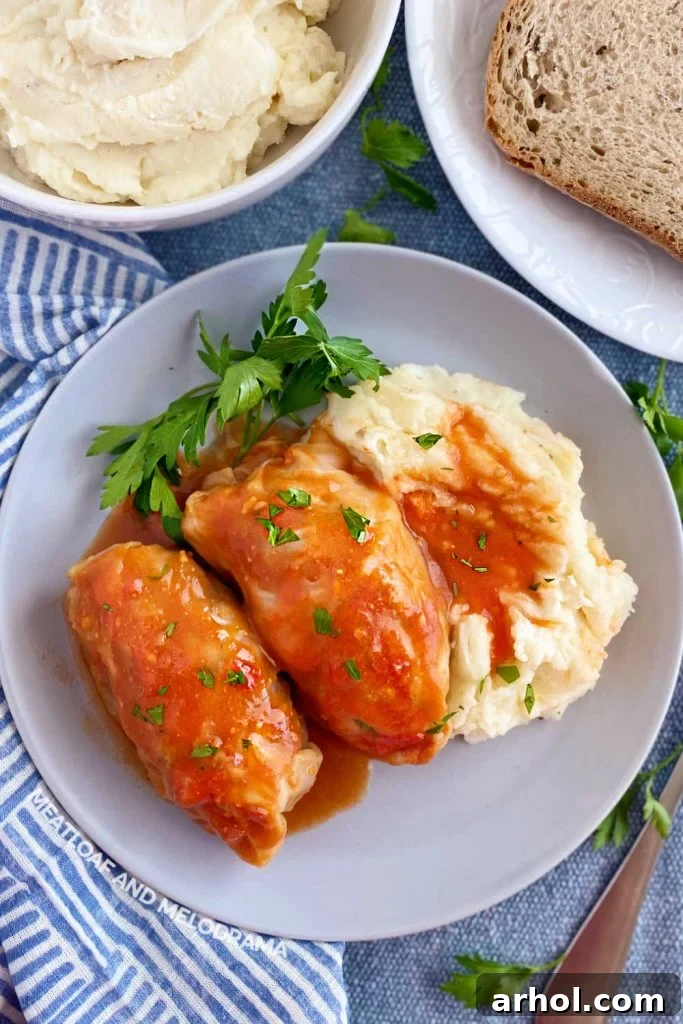
Halupki is a meal in itself, but traditional accompaniments truly elevate the experience. Grandma always served her cabbage rolls with creamy mashed potatoes, which are perfect for soaking up every drop of that delicious tomato sauce. For special occasions like Christmas dinner, a spread might include:
- Creamy Mashed Potatoes: An absolute classic pairing that complements the richness of the rolls.
- Rye Bread: Hearty and delicious, ideal for dipping into the flavorful sauce.
- Kielbasa or Ham: Often served alongside for an even more substantial feast.
- Pickles: Polish pickles or dill pickles add a refreshing, tangy contrast.
- Green Peas: A simple, sweet vegetable side that adds color and freshness.
- Kapusta (Sauerkraut): For those who love a bit more tang and traditional flavor, fermented cabbage is a natural fit.
Whether you go all out with a traditional spread or enjoy them simply with potatoes, these stuffed cabbage rolls promise a satisfying and memorable meal.
Variations and Substitutions for Your Cabbage Rolls
The beauty of a classic recipe like cabbage rolls lies in its adaptability. Every “Baba” or grandma had her own unique touch, and you can certainly customize this recipe to suit your taste or dietary needs:
- Meat Options: While beef and pork offer the best flavor, you can use all beef, all pork, ground turkey, or ground chicken for a leaner option. For a richer flavor, consider adding a touch of crumbled bacon or smoked sausage to the filling.
- Rice Alternatives: Instead of white rice, minute rice can be used (adjusting liquid content), or try barley for a nuttier texture. For a low-carb version, finely chopped cauliflower rice can be a surprisingly good substitute.
- Sauce Enhancements: Beyond tomato soup, you can experiment with plain tomato sauce, crushed tomatoes, tomato juice, or even a mix of tomato paste and water. A pinch of brown sugar can balance the tanginess, or a splash of sauerkraut juice can add a traditional sour note. Some recipes include diced onions or bell peppers in the sauce.
- Vegetarian Cabbage Rolls: For a meat-free alternative, replace the meat with a hearty mixture of lentils, mushrooms, rice, and finely chopped vegetables like carrots and celery.
- Spice Variations: Feel free to adjust the seasonings. Some traditional recipes include dill, bay leaves in the sauce, or a pinch of caraway seeds in the filling for an authentic Eastern European flavor.
Storage and Reheating Tips
Cabbage rolls are excellent for meal prepping and freezing, a testament to their labor-intensive nature making it worthwhile to cook a large batch. The flavors often deepen after a day or two, making leftovers a real treat.
- Refrigeration: Leftover cooked cabbage rolls, along with their sauce, can be stored in an airtight container in the refrigerator for up to 4 days.
- Freezing Cooked Rolls: For longer storage, freeze cooked cabbage rolls immersed in their sauce in freezer-safe containers or heavy-duty freezer bags. They will keep well for up to 3 months. Thaw overnight in the refrigerator before reheating.
- Freezing Uncooked Rolls: You can also prepare the rolls and freeze them uncooked. Arrange them in a single layer on a baking sheet to freeze solid, then transfer to freezer bags. When ready to cook, place frozen rolls in your baking dish or Instant Pot, add the sauce, and cook as directed, adding extra cooking time (e.g., 30-60 minutes longer for baked, 10-15 minutes longer for Instant Pot).
- Reheating:
- Oven: Place thawed rolls and sauce in an oven-safe dish, cover with foil, and bake at 350°F (175°C) for about 30-45 minutes, or until heated through.
- Microwave: For individual servings, microwave on high until hot, stirring the sauce occasionally.
- Stovetop: Gently simmer thawed rolls and sauce in a pot over medium-low heat, stirring occasionally to prevent sticking.
Making a large batch of Halupki ahead of time and freezing them ensures you have this delicious comfort food readily available, especially for holiday feasts like Christmas Day, making meal prep much easier.

Stuffed Cabbage Rolls (Halupki)
Dee
1 hour
1 hour
2 hours
14
Equipment
- Large Pot or Dutch Oven
- Large Mixing Bowl
- Sharp Knife and Paring Knife / Kitchen Scissors
- Kitchen Tongs
- 9×13 inch Baking Dish (for oven method)
- Instant Pot Pressure Cooker (optional, for pressure cook method)
Ingredients
- 1 medium head cabbage (or 2 small)
- 1 pound ground pork
- 1 pound ground beef
- 1 cup cooked jasmine rice (or other cooked white rice)
- 1 ½ teaspoon sea salt
- 1 teaspoon ground black pepper
- 1 teaspoon garlic powder
- ½ teaspoon smoked paprika (or regular paprika)
- 1 can (10.75 oz) tomato soup
- 1 can (10.75 oz) beef broth (or water)
Instructions
- Rinse cabbage, remove any bruised outer leaves, and carefully core the cabbage head.
- Fill a large pot or Dutch oven about halfway with water and bring it to a gentle simmer. Place the cored cabbage into the simmering water for about 3 to 5 minutes. As the leaves soften, carefully peel them off using kitchen tongs and set them aside to cool. You may need to do this in batches until you have enough pliable leaves.
- In a large mixing bowl, combine the ground pork, ground beef, cooked jasmine rice, sea salt, ground black pepper, garlic powder, and smoked paprika. Mix thoroughly with your hands until all ingredients are well incorporated. Form the mixture into elongated meat balls, approximately 2 tablespoons each.
- Using kitchen scissors or a sharp paring knife, cut the thick stems off the softened cabbage leaves in a V-shape. Place a cabbage leaf on a flat surface, and position a meat mixture ball in the center near the stem end.
- Carefully fold the sides of the leaf over the meat, then roll it up tightly from the stem end, like a burrito. Place the finished roll seam-side down. Repeat with all remaining leaves and filling.
Baking Instructions
- Preheat oven to 350°F (175°C). Lightly spray a 9×13 inch baking dish with nonstick cooking spray or grease with butter or oil.
- In a small bowl, mix the can of tomato soup with one full soup can of beef broth or water until well combined.
- Place any large reserved cabbage leaves on the bottom of the baking dish, allowing the ends to hang over the sides. Arrange the rolled cabbage rolls snugly in the dish, seam-side down.
- Pour the prepared sauce evenly over the rolls, ensuring all are covered. You can top with extra cabbage leaves or fold the overhanging leaves from the bottom of the dish over the rolls. Cover the baking dish tightly with aluminum foil.
- Bake in the preheated oven for 1 hour, or until the cabbage is tender and the internal temperature of the meat reaches 160°F (71°C) with a meat thermometer.
Instant Pot Instructions
- Pour 1 cup of beef broth (for 6-quart) or 1.5 cups (for 8-quart) into the Instant Pot liner. Place a trivet into the pot.
- Place a few cabbage rolls on the trivet. Spoon some tomato soup over these rolls. Then, add another layer of remaining rolls on top and spoon the rest of the soup over them.
- Secure the lid on the Instant Pot, make sure the valve is in the “Sealing” position, and select “PRESSURE COOK” (or “Manual”) for 25 minutes on high pressure. The pot will take several minutes to come to pressure.
- When the pot beeps, perform a quick release of the pressure. Once the pin drops, carefully open the lid and remove the rolls to a casserole dish or serving platter. The internal temperature of the meat should be 160°F (71°C).
- If desired, hit “Sauté” and cook the sauce for about 5 minutes to reduce and thicken slightly. Alternatively, mix 1 tablespoon of cornstarch with 1 tablespoon of water to create a slurry and stir it into the simmering sauce to thicken. Or, simply pour the sauce over the rolls as is.
Notes
Check baked cabbage rolls about halfway through baking time to baste them with sauce and assess if more sauce is needed. You can add extra beef broth or water if necessary to keep them moist.
If you want the rolls to bake longer than 1 hour for deeper flavor, turn the oven temperature down to 325°F (160°C) to prevent the cabbage leaves from burning. Baking times may vary slightly between ovens.
For pressure cooking, ensure you use 1 cup of beef broth or water for a 6-quart Instant Pot or 1.5 cups for an 8-quart model.
Nutrition
Carbohydrates: 10g,
Protein: 13g,
Fat: 14g,
Saturated Fat: 5g,
Cholesterol: 46mg,
Sodium: 427mg,
Potassium: 467mg,
Fiber: 2g,
Sugar: 4g,
Vitamin A: 181IU,
Vitamin C: 27mg,
Calcium: 40mg,
Iron: 1mg
Nutrition information is automatically calculated, so should only be used as an approximation.
Additional Info
Main
Russian, Slovak, Ukrainian
FAQs About Cabbage Rolls
Here are some common questions about making Halupki:
- Why do my cabbage rolls fall apart? This often happens if the cabbage leaves aren’t soft enough, or if the rolls aren’t wrapped tightly. Ensure the leaves are pliable and the filling is snug.
- Can I make cabbage rolls without meat? Absolutely! For a vegetarian version, replace the meat with a mixture of cooked lentils, sautéed mushrooms, rice, and finely diced vegetables.
- How do I prevent the cabbage from being tough? Thoroughly softening the cabbage leaves before rolling is key. Boiling, steaming, or pressure cooking until pliable will prevent tough rolls. Slow cooking or baking also helps break down the cabbage fibers over time.
- Can I use a different type of rice? While jasmine or long-grain white rice is traditional, you can experiment with brown rice or even barley, though cooking times might need slight adjustments.
- What kind of pot should I use for simmering? A large Dutch oven is ideal for simmering on the stovetop or baking in the oven. For pressure cooking, an Instant Pot or similar electric pressure cooker works wonderfully.
This recipe was originally published in 2020 and updated in 2021 to provide even more helpful tips and details for a perfect batch of Halupki.
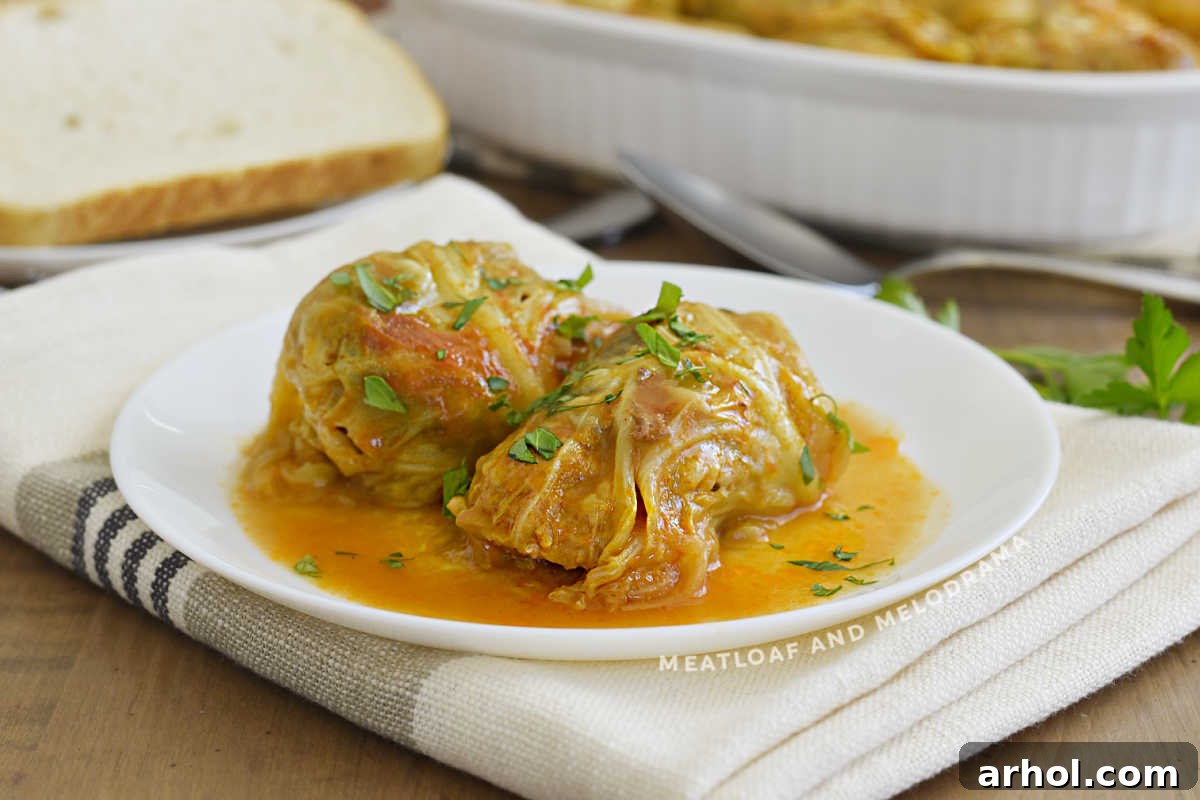
I genuinely hope you cherish these easy-to-follow instructions for making Grandma’s Cabbage Rolls! My family consistently praises these as the best cabbage rolls they’ve ever tasted – a true testament to the power of a simple, comforting recipe passed down through generations. They are undeniably the ultimate comfort food, bringing joy and warmth to any table.
For more cherished family recipes, including authentic Slovak and Ukrainian dishes, be sure to subscribe to our newsletter and join our culinary journey!