
The Ultimate Guide to Preparing for Your Child’s Dance Recital: Essential Tips for Parents
Hello fellow dance enthusiasts and proud parents!
As the vibrant month of June approaches, so too does the exhilarating, often whirlwind, dance recital season. For those new to this enchanting world of pirouettes, elaborate costumes, and bright stage lights, the anticipation can be coupled with a fair bit of uncertainty about what to expect. Having experienced countless recitals with my own little dancer – spending numerous hours backstage and learning invaluable lessons along the way – I’ve gathered a comprehensive set of tips designed to make your journey through recital season as smooth and joyful as possible.
While every dance studio boasts its unique charm and specific guidelines, the foundational principles of preparation and positive engagement remain universal. This guide aims to equip you with the knowledge and strategies to navigate recital day with confidence, ensuring it’s a memorable and stress-free celebration of your child’s hard work and passion for dance. Let’s dive into how you can ensure a flawless performance and an unforgettable experience for your budding star.
The Essential Pre-Recital Checklist: Meticulous Preparation is Key
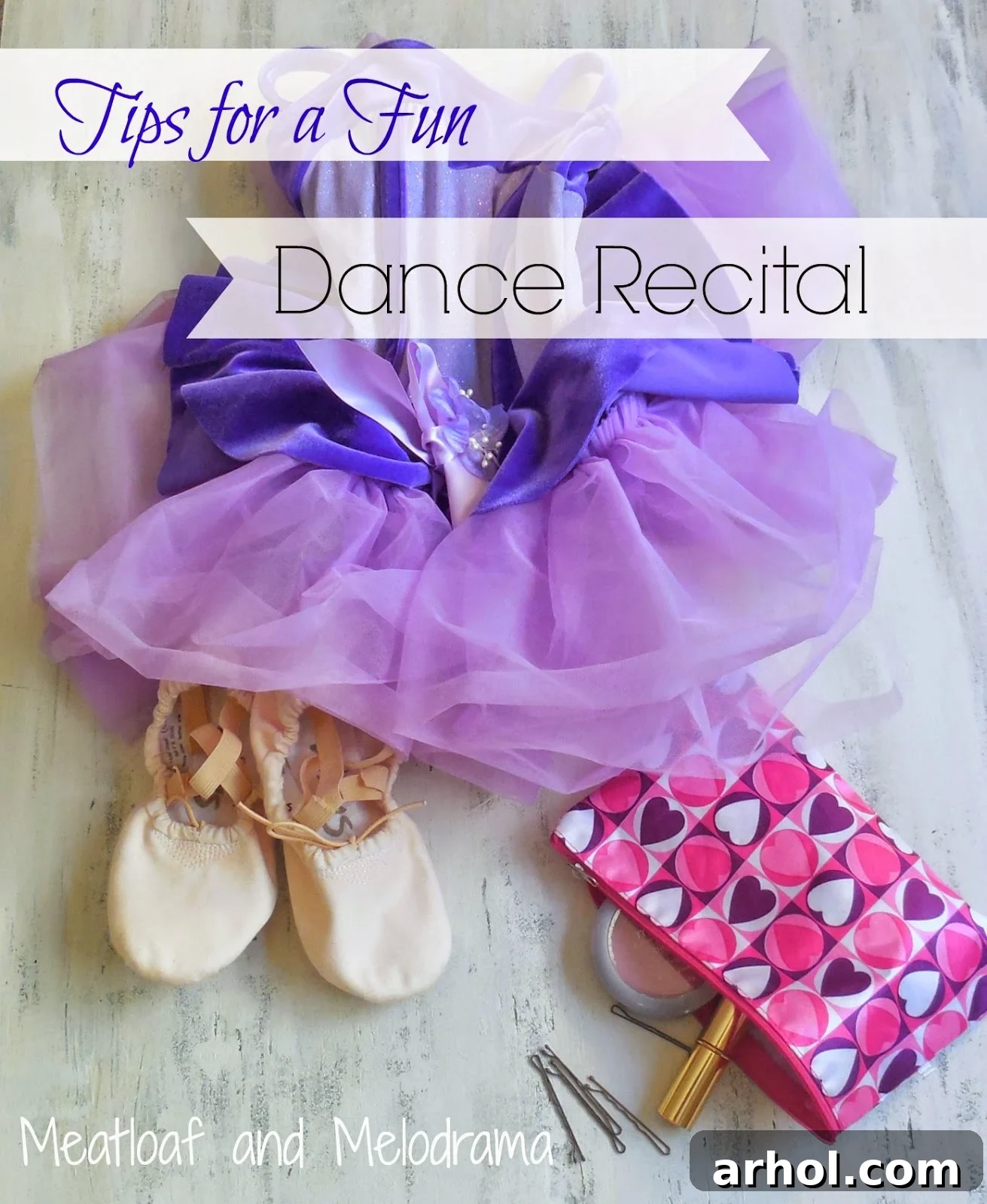
The secret to a calm recital day often lies in thorough preparation. Several days, or even weeks, before the performance, dedicate time to inspect every costume, accessory, and pair of shoes. This proactive approach allows you to address any issues without last-minute panic. Verify that all items are in impeccable condition, free from tears, loose embellishments, or unsightly scuffs. Some dance studios may require brand-new shoes and tights for a uniform and polished appearance on stage; if so, ensure these are purchased and broken in slightly beforehand. If new items aren’t mandated, confirm that existing ones are spotlessly clean and in excellent repair. Creating a detailed checklist for each dance number, including every single piece from hairpins to props, will guarantee nothing is overlooked. This meticulous planning is your first step towards a truly stress-free recital experience.
- Costumes: Try on all costumes to ensure a perfect fit and check for any necessary repairs like loose sequins, missing buttons, or small tears. Hang them carefully in garment bags to prevent wrinkles and damage.
- Tights: Always pack at least one extra pair of tights, especially if they are a specific color or style required by the studio. Runs in tights are common and an extra pair can be a lifesaver.
- Shoes: Clean all dance shoes thoroughly. Check for scuffs, wear and tear, and ensure elastics and ties are secure. For pointe shoes, confirm ribbons are properly sewn and toe pads are ready.
- Hair Accessories: Gather all necessary hairnets, bobby pins (of various sizes), hair ties, hair gel, hairspray, and any specific hairpieces or bows matching the costume. An emergency stash is highly recommended.
- Makeup: Confirm you have all required stage makeup, as specified by your studio (e.g., foundation, blush, eyeshadow, eyeliner, mascara, and a vibrant lipstick). If using new products, conduct a patch test days in advance to prevent allergic reactions.
- Props: If your child uses any props, ensure they are clean, functional, and easily identifiable. Practice handling them to avoid stage mishaps.
Packing Like a Pro: The Night Before the Big Day
The evening before the recital should be dedicated to calm, final preparations, not frantic packing. Systematically gather all costumes, tights, shoes, and other accessories, having them ready to go. A well-organized dance bag or a dedicated “recital kit” can dramatically simplify your morning. Crucially, label everything. From garment bags to individual shoes, hair clips, and even water bottles, clearly mark each item with your child’s name and, if applicable, their class or dance number. This prevents mix-ups with other dancers’ identical items and minimizes the chances of lost belongings in the bustling backstage environment. Beyond the core necessities, assemble a “just in case” emergency kit. This includes extra tights, a variety of bobby pins and hair clips, safety pins, clear nail polish for quick tight repairs, a small sewing kit, and even wet wipes for quick clean-ups. Being over-prepared ensures peace of mind for everyone.
- Individual Garment Bags: Pack each costume in its own garment bag, labeled with the dance name or order. This keeps costumes protected and organized.
- Labeled Shoe Bags: Use a separate, labeled bag for all dance shoes. This keeps them together and prevents dirt from transferring to costumes.
- Compact Hair & Makeup Kit: Consolidate all hair and makeup essentials into a clear, labeled pouch or tackle box for easy access.
- Emergency Backstage Kit: Include safety pins, clear nail polish, hairspray, extra hair ties/bobby pins, fashion tape, wet wipes, band-aids, and a small sewing kit for last-minute repairs.
- Nutritious Snack Bag: Pack non-messy, allergy-friendly snacks and a full water bottle (or two!). Avoid anything that could stain costumes.
- Entertainment: Pack quiet activities like coloring books, small reading books, or a tablet with headphones to keep your child occupied during waiting periods.
Creating a Calm Backstage Experience: The Importance of Comfort Items
Recital day can be a long one, especially for younger dancers who might have extended waits between their performances or before they even step on stage. Maintaining comfort and calm backstage is crucial for a positive experience. While dedicated backstage volunteers often come equipped with activities and snacks, it’s always wise to pack your child’s own comfort items. These familiar objects offer a sense of security and can effectively combat boredom or pre-performance jitters. Consider items that encourage quiet, independent engagement. A small blanket or pillow can transform a cramped backstage corner into a cozy resting spot. A favorite stuffed animal or a beloved book can provide emotional support and a comforting connection to home. The goal is to create a peaceful personal space for your child, allowing them to relax, conserve energy, and maintain a positive mindset until their cue.
- Quiet Activities: Coloring books, sketchpads, age-appropriate reading books, sticker books, or small, quiet puzzles are excellent choices. Avoid noisy toys or items with many tiny parts that can easily get lost.
- Electronic Devices with Headphones: A tablet or smartphone with pre-loaded games, movies, or e-books can be a savior for long waits, provided usage is respectful of others backstage. Headphones are non-negotiable.
- Comfort Object: A small blanket, a favorite stuffed animal, or a familiar small toy can offer emotional security and a sense of familiarity in an unfamiliar environment.
- Healthy, Non-Messy Snacks: Pack granola bars, pre-cut fruits (like apple slices or grapes), crackers, pretzels, and plenty of water. Crucially, avoid anything that could stain costumes, such as chocolate, berries, or brightly colored juices.
- Layer of Warmth: Backstage areas can be surprisingly chilly. A zip-up hoodie, soft robe, or light blanket can keep your child warm between dances, especially when costumes are minimal.
Hair and Makeup: Perfecting the Stage-Ready Look
Hair and makeup are not merely decorative; they are essential components of a dancer’s stage presence, designed to enhance their features under bright stage lights and complete the overall aesthetic of their costume. Most dance studios provide very specific guidelines for hair (e.g., a neat ballet bun, a sleek ponytail) and makeup requirements. It is vital to adhere to these instructions precisely to ensure a cohesive and professional look across the entire performance group. If stage makeup is new to you or your child, practice the application in advance. Stage makeup is typically more dramatic than everyday makeup, crafted to make features visible from a distance. Don’t be afraid to apply it more boldly than you would for a daily look. This practice will help you identify any challenges and make recital day application smoother and less rushed.
- Hair Preparation:
- Ballet Bun Mastery: For ballet, mastering a secure, neat bun is crucial. Essential tools include hairnets, ample bobby pins, strong hairspray, hair gel, and a bun maker if desired. Practice well in advance!
- Other Styles: For jazz, tap, or lyrical numbers, a sleek ponytail or half-up style might be required. Ensure hair is pulled back tightly from the face to avoid distractions.
- Accessorize Securely: Any required hair bows, clips, or fascinators must be attached firmly to withstand vigorous movement.
- Stage Makeup Application:
- Base: Apply foundation and concealer slightly warmer than their natural skin tone to prevent a washed-out look under intense stage lights.
- Cheeks: Generously apply blush to the apples of the cheeks for definition and a healthy glow.
- Eyes: Use neutral eyeshadows (browns, creams) with a darker shade in the crease for depth. Eyeliner (black or dark brown) and mascara (even clear for very young children) are key for eye definition.
- Lips: A vibrant red or strong pink lipstick is typically preferred to ensure lips are visible and add a pop of color.
- Sensitive Skin Precautions: If your child has sensitive skin, test any new makeup products on a small area a few days before the recital to check for reactions.
Navigating Recital Day Logistics: From Arrival to Performance
Recital day itself can feel like a carefully choreographed production. Punctuality is paramount, so plan to arrive at the venue well in advance of your designated check-in time. This buffer accounts for potential traffic, parking challenges, and allows for a relaxed transition into the backstage area. Upon arrival, carefully follow all studio instructions for drop-off and check-in procedures, which often involve a specific area where children are handed over to backstage volunteers. Be acutely aware of the rules regarding photography and videography during the performance; many venues strictly prohibit flash photography to avoid distracting performers, and some may even ban recording entirely due to copyright or child protection policies. Respecting these guidelines ensures a professional and fair experience for all dancers and their families. Encourage your child to use the restroom before getting into their first costume to minimize inconvenient and time-consuming changes later on.
- Punctual Arrival: Arrive at the venue at the exact time specified by the studio. This ensures adequate time for check-in, costume changes, and final preparations without feeling rushed.
- Drop-off and Pick-up Protocol: Familiarize yourself with the studio’s specific procedures for dropping off your child backstage and where and when to pick them up after their performance(s).
- Pre-Costume Restroom Breaks: Always ensure your child uses the restroom before putting on their first costume to avoid the hassle of complex costume adjustments during breaks.
- Photography and Videography Rules: Strictly adhere to the venue’s and studio’s policies regarding photos and videos. Flash photography is almost always forbidden, and often professional recording services are available for purchase.
- Audience Etiquette: Remind family members to silence their phones, avoid loud conversations during performances, and remain seated. Enthusiastic and respectful applause is always encouraged.
- Personal Audience Refreshments: If permitted, bring your own water and quiet snacks for yourself to avoid missing performances by frequenting concession stands.
Building Rapport with Backstage Volunteers: Your Child’s Guardians
Backstage volunteers, often fellow dance parents, are the unsung heroes of recital day. They play a critical role in your child’s safety, managing costume changes, and keeping them calm and organized. It’s incredibly important for both you and your child to feel comfortable and familiar with these individuals. Prior to the recital, make an effort to meet the backstage moms or dads who will be supervising your child’s group. Introduce yourselves, and perhaps share a brief note about your child’s personality or any specific needs (e.g., “she’s a little shy,” “he has an allergy to nuts”). Always provide your cell phone number to the lead backstage supervisor, ensuring they can easily reach you if necessary. This open communication fosters trust and significantly reduces anxiety for everyone. Remember, these volunteers are dedicating their time and energy to ensure the recital’s success, so a friendly, cooperative, and respectful attitude from parents goes a long way. Adhere to their instructions, understanding they are managing many children simultaneously.
- Make Introductions: Proactively meet and briefly chat with the backstage volunteers assigned to your child’s group.
- Provide Contact Information: Ensure the lead backstage supervisor has your primary cell phone number for any urgent communication.
- Share Key Information: Inform volunteers of any allergies, medical conditions, or specific anxieties your child may have.
- Reassure Your Child: Talk to your child beforehand about who will be looking after them backstage, reinforcing that these adults are there to help and keep them safe.
- Respect Backstage Rules: Adhere strictly to rules regarding parental access to the backstage area. Only designated volunteers should be present backstage.
Celebrating Success: Post-Recital Treats and Acknowledgments
Your child has poured countless hours of practice, dedication, and energy into this performance. Acknowledging their hard work with a special treat after the recital is a wonderful way to celebrate their achievement, regardless of how flawlessly the performance went. This celebration should unequivocally focus on their effort, bravery, and participation, rather than solely on technical perfection. While many studios offer the convenience of selling flowers at the venue, you might opt for something more personal and tailored to your child’s unique preferences. This could be their favorite candy, a small, thoughtful toy, a personalized certificate recognizing their effort, or even a special family dinner out. The gesture itself is what truly communicates pride and appreciation. It’s not about the monetary value, but the heartfelt sentiment behind it – letting them know how incredibly proud you are of their journey, courage, and dedication. Make it a cherished family moment that reinforces positive memories of their dance experience.
- Traditional Flowers: A classic and beloved gesture, often available for purchase directly at the venue.
- Favorite Treat: A special dessert, a trip to their favorite ice cream parlor, or a bag of their beloved candy is always a guaranteed hit.
- Small, Thoughtful Gift: A new book, a small art supply kit, or a little token related to dance can serve as a lasting memento of their achievement.
- Special Outing: A celebratory meal at a favorite restaurant or a fun family activity can make the day even more memorable and cap off the hard work.
- Abundant Verbal Praise: Above all, shower your child with genuine compliments about their effort, bravery, growth, and the joy they brought to the stage.
Embracing the Unpredictable: Managing Expectations and Stage Fright
No matter how many hours your child has rehearsed, or how confident they appear, stage fright is a very real and common possibility. It’s a natural human reaction to performing in front of a live audience. Some children might freeze up, forget a few steps, or become momentarily overwhelmed. Others, particularly younger dancers, might decide to wave enthusiastically at their parents, or even improvise a charming, spontaneous dance of their own. All of these reactions are perfectly normal and constitute a valuable part of the learning curve in live performance. The most crucial factor in these moments is your reaction. If your child waves, wave back with an even bigger, more encouraging smile! If they stumble or forget, offer silent, unwavering encouragement from the audience. The ultimate goal is for this to be a positive, fun experience, not a source of stress or disappointment. Focus on the joy of participation, the bravery it takes to perform, and the personal growth, rather than technical perfection. Your unwavering support will build their confidence not only for future performances but for life’s many stages.
- Acknowledge and Validate: Talk to your child about nervousness. Let them know it’s completely normal to feel scared, but emphasize their bravery for trying.
- Focus on Effort, Not Perfection: Reiterate that you are proud of their hard work and dedication, regardless of a flawless performance. The effort is what truly matters.
- Lighthearted Response to Mishaps: If they make a mistake, gently laugh with them afterward. This helps them see the lighter side and learn to recover gracefully.
- Wave Back Enthusiastically: If your child waves or interacts with the audience, respond positively and with a warm smile. It reassures them of your presence and support.
- Praise Courage: Highlight their courage and confidence for stepping onto the stage, irrespective of the outcome.
- Maintain Perspective: Continuously remind both yourself and your child that dance is a hobby, a learning experience, and fundamentally, about having fun and expressing themselves.
The Audience Experience: Supporting Your Dancer from the Seats
Your role as an audience member is just as crucial in creating a positive recital atmosphere as your child’s role on stage. Being present, engaged, and respectful enhances the experience for every performer and attendee. Arrive early to secure good seats and settle in comfortably before the show begins. Ensure your phone is on silent or completely turned off, and remind any accompanying guests to do the same. Avoid talking loudly during performances, as this can be incredibly distracting to both the dancers and other audience members trying to enjoy the show. When your child performs, cheer enthusiastically and applaud their efforts wholeheartedly. While it’s tempting to shout their name, remember that loud, individual calls can be distracting; instead, offer general applause and cheers for the entire group. If the studio permits, take photos or videos discreetly and without flash. Your visible and respectful support from the audience is a powerful motivator for your child, letting them know you are there, proud, and fully enjoying their special moment.
- Be Punctual: Arrive early, find your seats, and be settled before the curtain rises to avoid disrupting the start of the show.
- Silence All Devices: Ensure all cell phones and electronic devices are set to silent or completely turned off.
- Respect Photography Rules: Strictly adhere to the studio’s guidelines. If allowed, use discretion, avoid flash photography, and be mindful of obstructing others’ views.
- Applaud Generously: Offer enthusiastic applause for all performers, not just your child. Keep individual shouts to a minimum to maintain a professional atmosphere.
- Stay Seated During Performances: Avoid unnecessary movement in and out of your seat during dance numbers to minimize distractions for both dancers and audience members.
- Immerse Yourself: Take a moment to appreciate all the hard work, dedication, and artistry that goes into every single performance, from every dancer.
I sincerely hope these extensive tips provide you with a comprehensive roadmap for preparing for your child’s dance recital. This special event is far more than just a performance; it’s a culmination of hard work, artistic growth, emotional resilience, and pure joy. By being meticulously prepared, impeccably organized, and wholeheartedly focused on creating a positive, encouraging experience, you can ensure that recital season becomes a cherished and exciting family tradition rather than a source of stress.
To all the incredible dance parents out there, if you possess any additional wisdom, clever hacks, or heartwarming anecdotes you’ve discovered along your own recital journeys, I would absolutely love to hear them! Sharing our collective experiences only makes the journey richer and more enjoyable for everyone.
Enjoy every magical moment of your recital, celebrate every step, and have a truly wonderful day!
Dee 🙂