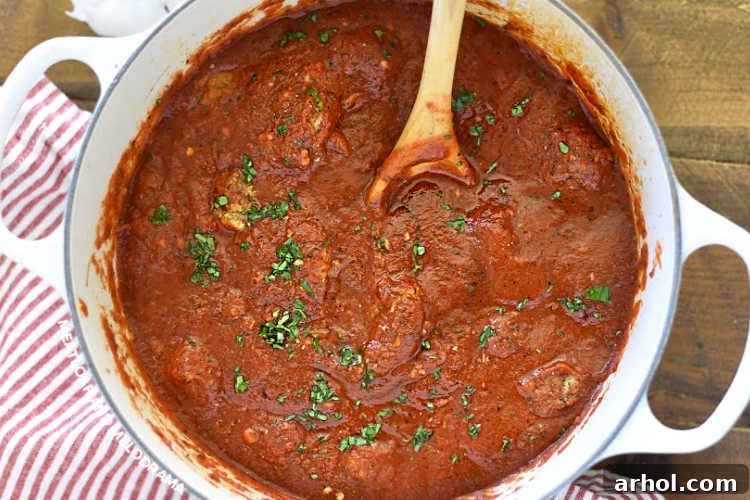
There’s an undeniable warmth and authenticity that comes with a truly Homemade Spaghetti Sauce. Crafted with simple, wholesome ingredients, this sauce isn’t just a meal component; it’s a testament to timeless culinary traditions. Forget watery, bland alternatives; this recipe delivers a thick, rich, and profoundly flavorful sauce that beautifully clings to your favorite pasta, elevating every bite. It’s an experience that’s only enhanced when paired with succulent homemade meatballs, creating a classic Italian-American comfort dish that transcends generations.
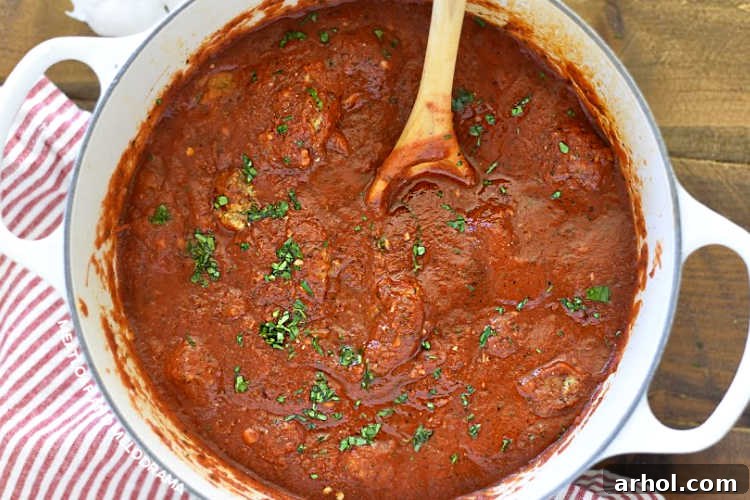
This cherished recipe for the best homemade tomato sauce has been passed down through my family, originating from my grandma’s kitchen. It’s a beautifully simple formula, yet incredibly robust in flavor, allowing for easy adjustments with ingredients you already have on hand. Over the years, I’ve experimented with countless tomato sauce recipes, but I invariably return to this one. Its unmatched quality lies in its thick, luscious texture that coats pasta perfectly, ensuring a deeply satisfying, non-watery experience every time.
Beyond traditional spaghetti, this versatile sauce can transform your meals. Incorporate Homemade Meatballs for an extra layer of savory delight, or use it as a superior alternative to store-bought jarred sauce for dishes like One-Pot Spaghetti and Meat Sauce or One-Pot Creamy Shells and Beef. If you’re a fan of quick and convenient cooking, this sauce is also fantastic for Instant Pot Spaghetti and Meat Sauce, Instant Pot Creamy Shells and Beef, or Instant Pot Pasta and Meatballs, proving its adaptability for modern kitchens.
Why Choose Homemade Spaghetti Sauce?
In a world of convenience, choosing to make your own spaghetti sauce from scratch might seem like an extra step, but the rewards are truly incomparable. The most significant benefit is the unparalleled flavor. Store-bought sauces often contain high levels of sugar, sodium, and artificial flavors, masking the true taste of tomatoes and herbs. With homemade spaghetti sauce, you have complete control over every ingredient, allowing you to tailor the flavor profile to your exact preferences, whether you like it sweet, savory, or with a spicy kick.
Beyond taste, there’s a sense of accomplishment and connection to culinary heritage. A grandma’s spaghetti sauce recipe carries with it stories and traditions, turning a simple meal into a memorable experience. It’s a healthier choice too, as you can select fresh, high-quality ingredients and avoid unwanted additives. The aroma alone, as your sauce simmers on the stovetop, is enough to warm any home and whet any appetite, making the effort entirely worthwhile.
Crafting Your Signature Spaghetti Sauce from Scratch
Creating this rich and thick spaghetti sauce begins with a simple yet essential step: building a flavorful foundation. The interplay of aromatic vegetables is key to a truly outstanding sauce that will impress everyone at the dinner table.
Building the Flavor Base: Onions and Garlic
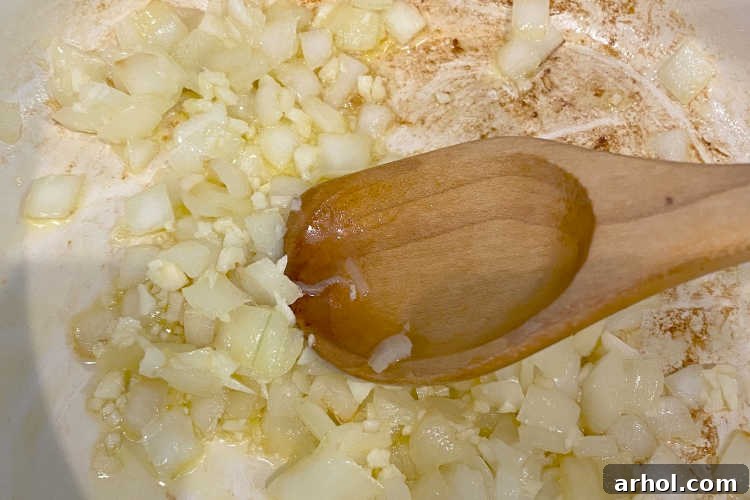
Start by heating a touch of olive oil or vegetable oil in a sturdy Dutch oven or large pot. My grandma, ever resourceful, often used “salad oil,” which was common in her time. The crucial first step is to gently sauté your finely chopped onion and minced garlic. The goal here isn’t to brown them rapidly, but to coax out their sweet, pungent flavors. Keep the heat at a medium setting, stirring occasionally, until the onions become translucent and the garlic is fragrant but not burnt. This slow process prevents bitterness and ensures a smooth, integrated flavor.
Layering the Tomato Goodness
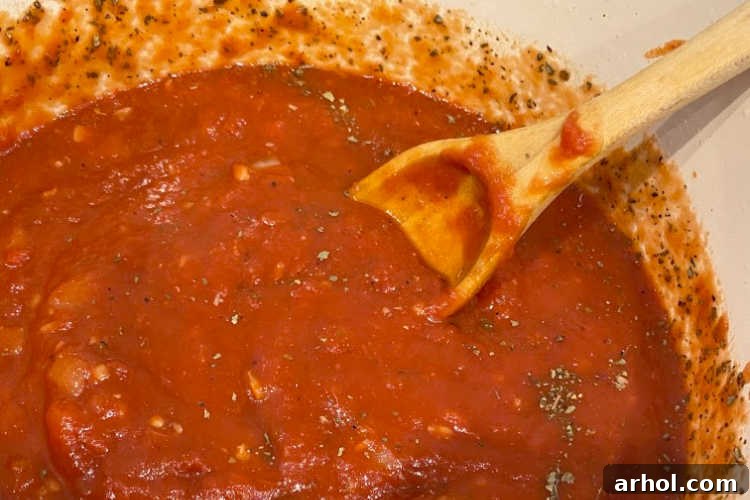
Once your aromatics are tender, it’s time for the tomatoes. Pour in a substantial can of high-quality crushed tomatoes. These provide a rustic, rich texture. Next, stir in tomato paste. This concentrated ingredient is a secret weapon, adding incredible depth and umami to the sauce without making it watery. After incorporating the paste, add water. A clever trick I learned is to rinse out the empty tomato paste can with water a couple of times; this not only ensures you get every last bit of flavor but also provides a convenient measurement. You can always add more water during simmering if you find the sauce becoming too thick, allowing you to easily achieve your desired consistency.
Seasoning for Perfection
No best tomato sauce is complete without the right balance of seasonings. Add a generous amount of salt and freshly ground black pepper. Then, choose your herbs: dried basil is a classic choice, offering a sweet, peppery aroma. Alternatively, dried parsley, a robust Italian seasoning blend, or a pinch of thyme can all contribute wonderfully. For an extra layer of freshness and visual appeal, don’t hesitate to stir in some chopped fresh parsley if you have it on hand. A tiny pinch of dried red pepper flakes is also recommended to add a subtle warmth that enhances the overall flavor without making it overtly spicy.
The Art of Simmering
If you’re making spaghetti sauce with meatballs, now is the perfect time to gently add them to the pot, ensuring they are partially submerged in the sauce. The magic of this recipe truly unfolds during the simmering stage. Reduce the heat to low, cover the pot, and let everything meld together. A crucial note: you can optionally add a teaspoon or two of sugar to sweeten the sauce and balance any acidity from the tomatoes. This is entirely up to your taste preference.
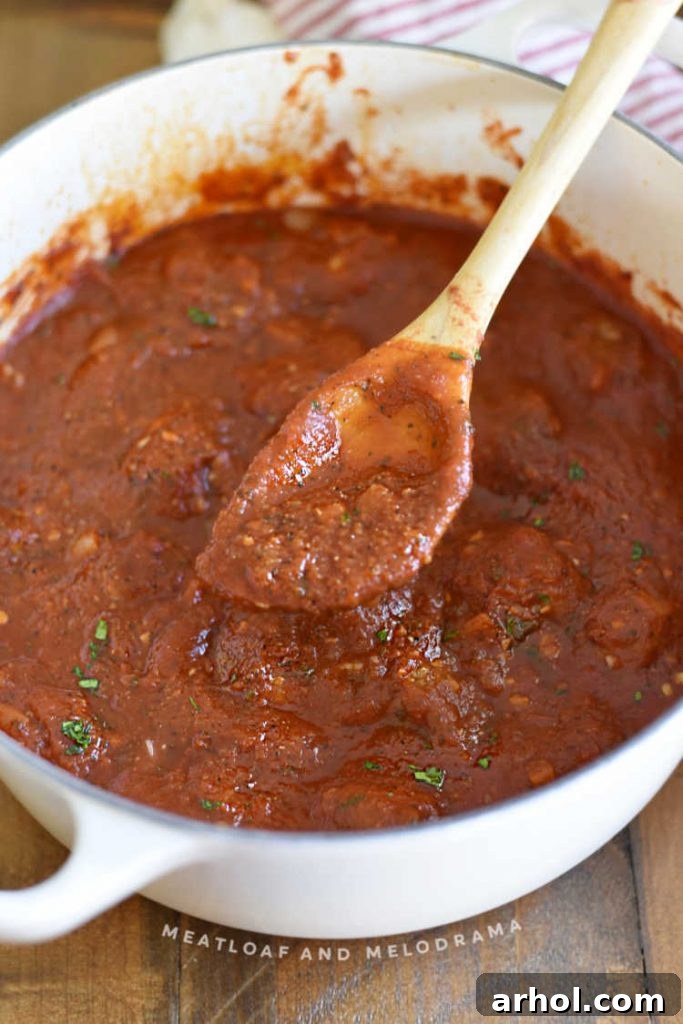
Allow the sauce to simmer for at least an hour, or even longer, to fully develop its deep, complex flavors. Yes, patience is key here, but the reward is immense. This easy spaghetti sauce recipe yields a generous batch, meaning you can easily refrigerate or freeze portions to enjoy on busy weeknights, making your future self very happy. Stir occasionally to prevent sticking and ensure even cooking. The longer it simmers, the more the flavors deepen and harmonize, transforming simple ingredients into something truly extraordinary.
Simple Substitutions and Flavorful Variations
One of the beauties of this simple pasta sauce recipe is its inherent flexibility. Older recipes, like my grandma’s, often championed using what was readily available, eliminating the need for a special trip to the store. This adaptability also allows you to customize the flavor to perfectly suit your family’s tastes or to explore new culinary dimensions.
- Aromatic Alternatives: If fresh garlic or onions aren’t on hand, don’t fret! You can easily substitute with garlic powder or dried onion flakes. A general rule of thumb is to use about ¼ teaspoon of powder for every clove of garlic, and 1 tablespoon of flakes for a small fresh onion.
- Tomato Product Swaps: While crushed tomatoes provide a fantastic base, you can adapt. If you have tomato paste, use two 6-ounce cans with three cans of water for a similar base. Alternatively, incorporating a can of plain tomato sauce alongside crushed tomatoes can add an extra layer of liquid and smooth consistency.
- Herb Combinations: Dried basil is a staple, but don’t limit yourself! Experiment with different Italian seasoning blends, dried oregano, marjoram, or even a touch of dried rosemary. A combination of these herbs can create a wonderfully complex and aromatic sauce. Fresh herbs like oregano or basil, added at the end, also provide a vibrant lift.
- Enhancing Richness with Liquids: For a deeper, more sophisticated flavor, consider replacing some of the water with red wine. A dry red wine like Chianti or Merlot will simmer down beautifully, adding a subtle, robust note to the sauce. Beef or vegetable broth can also be used for added savory depth.
- Adding Meat for Depth: To infuse the sauce with even more savory goodness, brown a spare rib or two, or some Italian sausage, and add them to the sauce for simmering. The slow cooking will release incredible flavors, making the sauce exceptionally rich. Remove them before serving or shred the meat back into the sauce. For a quick boost, a little browned ground beef or pork can also be added early in the cooking process.
- Vegetable Boost: Finely diced carrots and celery, sautéed with the onions and garlic, can add a subtle sweetness and extra nutritional value, deepening the sauce’s complexity. Bell peppers (red, yellow, or green) also make a wonderful addition for extra flavor and color.
- Spice it Up: If you enjoy a bit of heat, increase the amount of red pepper flakes or add a pinch of cayenne pepper. For a milder touch, simply omit the flakes.
Serving Suggestions for Your Homemade Sauce
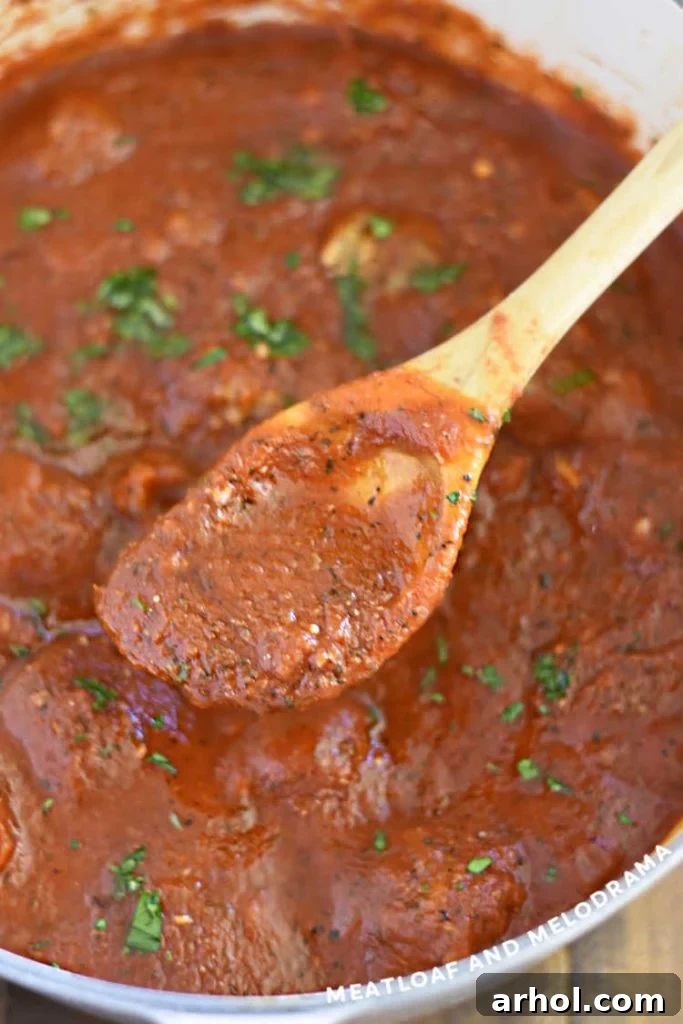
The beauty of a fantastic homemade tomato sauce lies not just in its taste, but in its incredible versatility. While it’s famously paired with spaghetti, its applications extend far beyond a simple pasta dish, making it a staple you’ll want to have on hand.
- Classic Pasta Dishes: Beyond spaghetti, serve it with penne, rigatoni, fettuccine, or linguine. A generous dollop over fresh ravioli or tortellini is also a delightful choice.
- Baked Pasta Favorites: This sauce is the star of any baked pasta dish. Layer it into a cheesy lasagna, mix it with ziti or shells for a comforting baked casserole, or use it as the base for a hearty pasta primavera.
- Meat-Centric Meals: Drench your chicken parmesan, eggplant parmesan, or even a simple baked chicken breast in this rich sauce. It also pairs wonderfully with Italian sausage and peppers.
- Beyond Dinner: Use it as a vibrant base for homemade pizza, a dipping sauce for garlic breadsticks or focaccia, or even as a flavorful component in soups like minestrone or rustic vegetable stews.
- Creative Breakfasts: For something unexpected, try using it as a base for shakshuka, poaching eggs directly in the simmering sauce for a delicious and hearty breakfast or brunch.
- Meal Prep Powerhouse: Because it freezes so well, you can prepare a large batch and use it throughout the week for quick lunches or dinners, saving time and effort on busy days.
Storing Your Delicious Homemade Spaghetti Sauce
One of the many benefits of making a big batch of easy homemade spaghetti sauce is the ability to store it for future meals. Proper storage ensures you can enjoy that fresh, comforting taste whenever the craving strikes, making meal planning a breeze.
- Refrigeration: Once cooled, transfer your sauce to airtight containers. It will keep beautifully in the refrigerator for up to 5-7 days. Always allow the sauce to cool completely before refrigerating to maintain its quality and prevent condensation.
- Freezing: This sauce freezes exceptionally well, which is perfect for batch cooking. For best results, portion the cooled sauce into freezer-safe containers, heavy-duty freezer bags, or even ice cube trays for smaller servings. Label with the date. Frozen sauce can maintain its quality for up to 3-4 months. When ready to use, simply thaw overnight in the refrigerator or gently reheat from frozen on the stovetop over low heat, stirring occasionally.
- Canning (Advanced): For those experienced in home canning, this sauce can also be preserved using a pressure canner for shelf-stable storage. Always follow tested and approved canning guidelines for safety.
Having a stash of scratch-made sauce in your freezer is like having a secret weapon for quick, delicious, and healthy meals, proving that a little effort upfront can save you a lot of time later.
Homemade Spaghetti Sauce
This easy Homemade Spaghetti Sauce is made with simple ingredients, yielding a thick, flavorful, and delicious sauce that clings perfectly to pasta. It’s even better when served with homemade meatballs.
- By: Dee
- Prep Time:
- Cook Time:
- Total Time:
- Servings: 10
Equipment
- Dutch Oven
Ingredients
- 2 tablespoons olive oil
- 1 medium onion, chopped
- 3 garlic cloves, peeled and chopped
- 28 ounces crushed tomatoes
- 6 ounces tomato paste
- 12 ounces water (use empty tomato paste cans for measurement)
- 1 tablespoon dried basil
- 1 teaspoon sea salt
- ½ teaspoon ground black pepper
- ¼ teaspoon dried red pepper flakes
- 1 teaspoon sugar (optional, to taste)
- Chopped fresh parsley (optional, for garnish)
Instructions
- Cook chopped onions and garlic in olive oil until soft over medium heat. Be careful not to brown the garlic.
- Stir in crushed tomatoes and tomato paste, ensuring they are well combined.
- Stir in water. A helpful tip is to use the empty tomato paste cans to measure the water, ensuring you get all the residual flavor.
- Add dried basil, sea salt, ground black pepper, and dried red pepper flakes. Taste the sauce, and if it seems too acidic, add a teaspoon or more of sugar to balance the flavors.
- Reduce the heat to a low simmer, cover the pot, and cook for 1 to 1.5 hours. Stir occasionally to prevent the sauce from sticking to the bottom of the pot. If the sauce becomes too thick for your preference, you can add a little more water during simmering. Garnish with fresh parsley before serving, if desired.
Notes
- For convenience, you can substitute fresh garlic with garlic powder and fresh onion with dried onion flakes.
- Feel free to experiment with different dried herbs such as Italian seasoning, dried parsley, or oregano, either in place of or in addition to dried basil, to customize the flavor profile.
- If you plan to add meatballs, incorporate them into the sauce before the simmering stage. This allows them to cook through and absorb the rich flavors of the sauce.
Nutrition (per serving)
- Calories: 73 kcal
- Carbohydrates: 11g
- Protein: 2g
- Fat: 3g
- Saturated Fat: 1g
- Sodium: 475mg
- Potassium: 435mg
- Fiber: 3g
- Sugar: 6g
- Vitamin A: 445IU
- Vitamin C: 12mg
- Calcium: 47mg
- Iron: 2mg
Nutrition information is automatically calculated and should only be used as an approximation.
Additional Info
- Course: Main
- Cuisine: Italian
Like this? Leave a comment below!
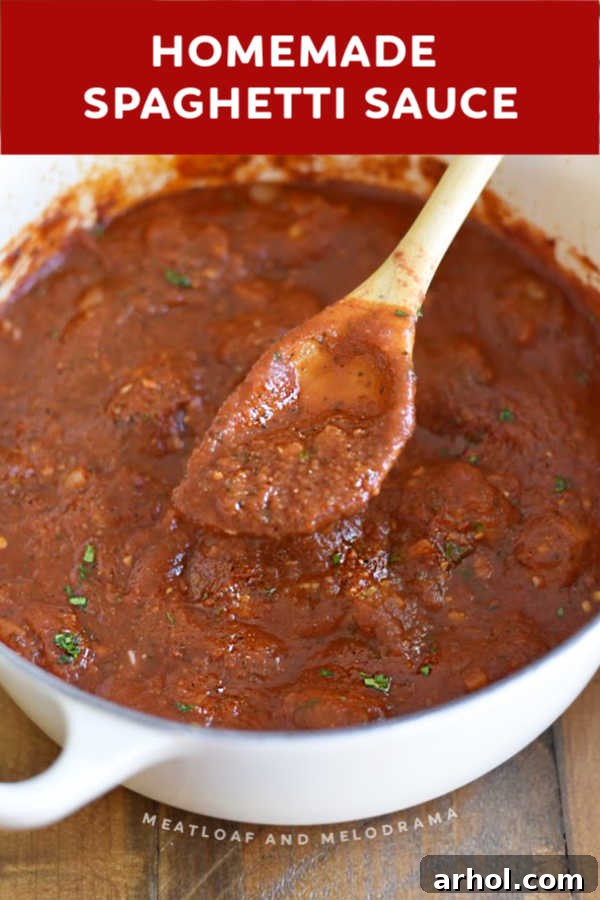
Making homemade spaghetti sauce is more than just cooking; it’s an act of love and a preservation of tradition. This easy recipe for tomato sauce ensures a flavorful, thick, and utterly satisfying meal every time. It’s a taste of home, a comforting classic, and a versatile staple that will quickly become your go-to. Enjoy the process, savor the aroma, and delight in the incredible taste of a sauce made with care.