
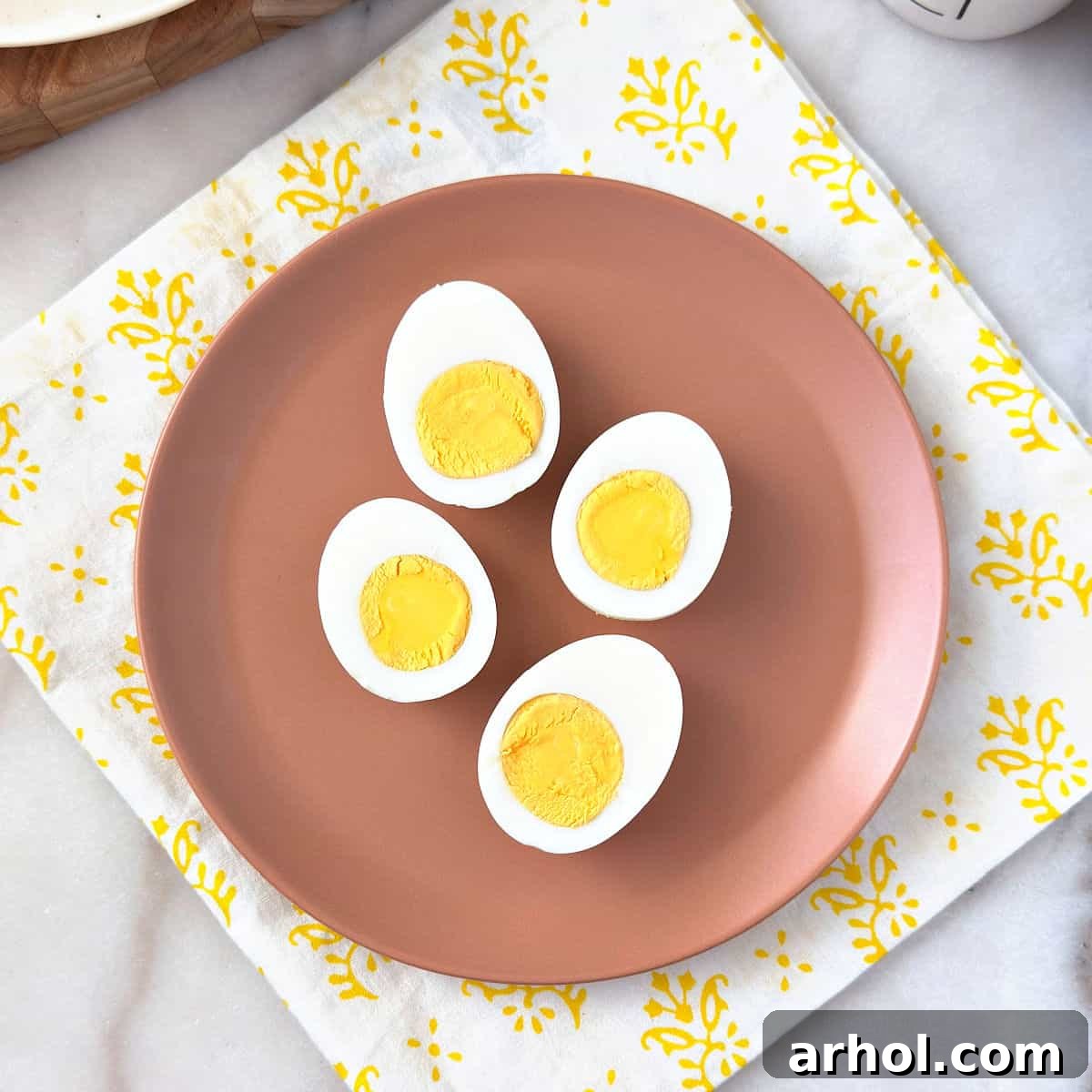
Make perfect hard boiled eggs that are easy to peel and consistently cooked using this straightforward method. These eggs are ideal for salads, appetizers, breakfast plates, or a quick protein-packed snack.
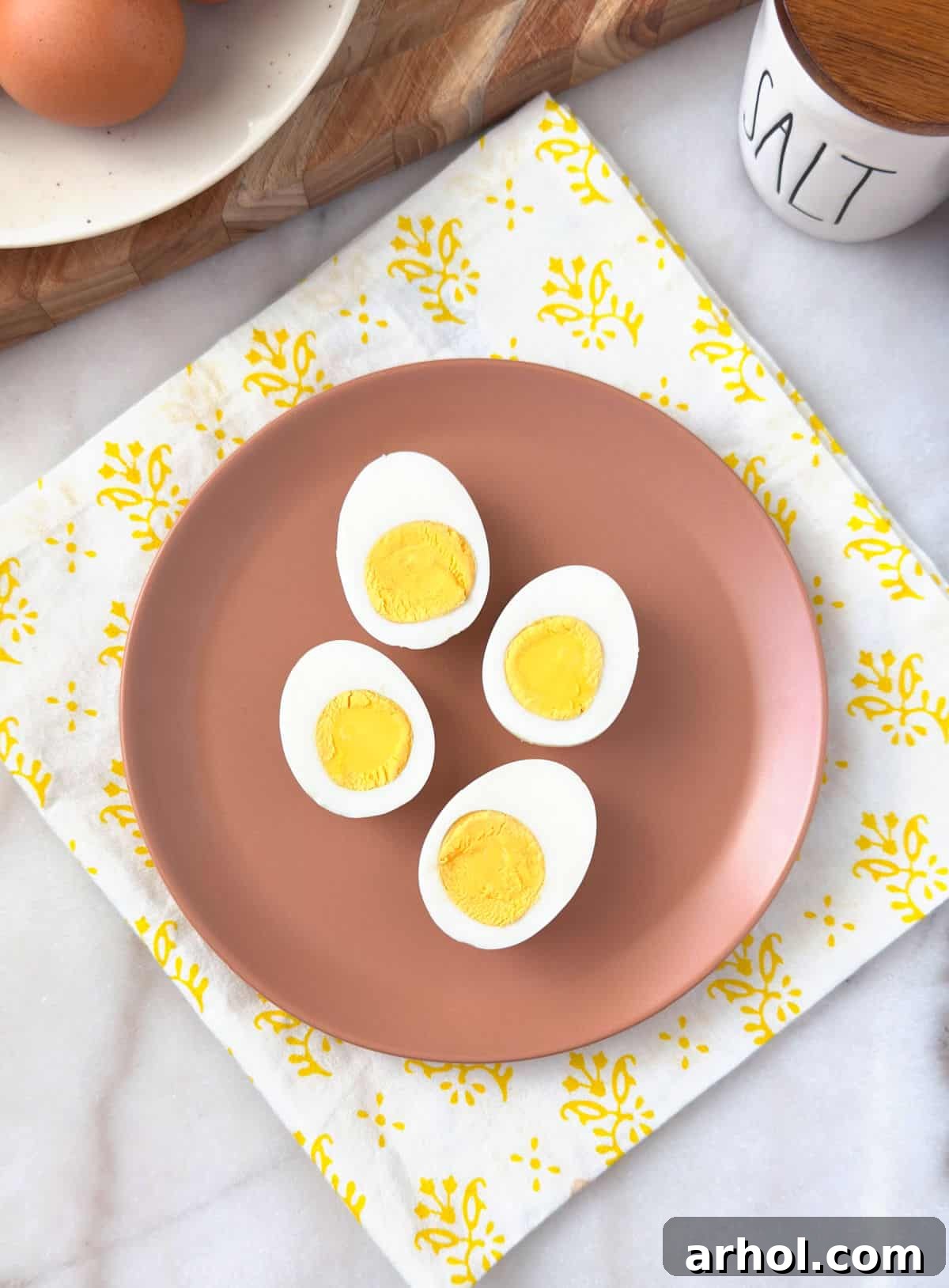
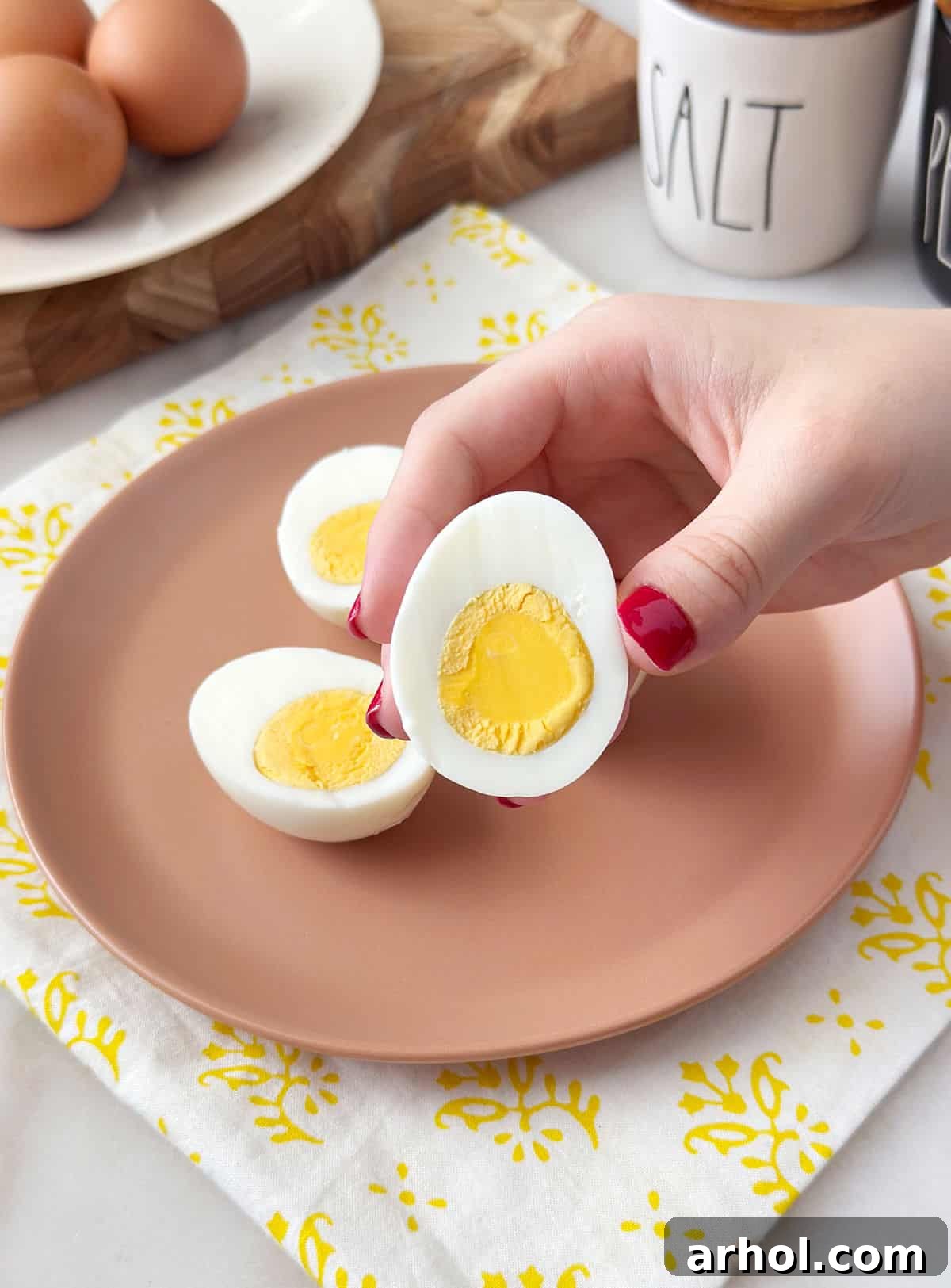
This is the simple hard boiled egg technique I grew up with and still use: place eggs in cold water, bring to a boil, reduce to a gentle simmer, and finish them in an ice bath. It requires no special tools and gives reliably tender whites and well-cooked yolks without the green ring or difficult peeling.
I used to rely on a pressure cooker for eggs, but after returning to this classic stovetop approach I realized it produces the most dependable results. It’s forgiving, easy to scale, and great when you need several eggs at once for meals or parties.
Why this method works

No special equipment—only a pot, water, and a stove. Starting in cold water and bringing it gradually to a boil lets the eggs heat evenly. Reducing to a simmer prevents vigorous movement that can crack shells and cause uneven cooking. An immediate ice bath stops residual heat, preventing overcooking and helping the shells separate from the whites for easy peeling.
What You Need
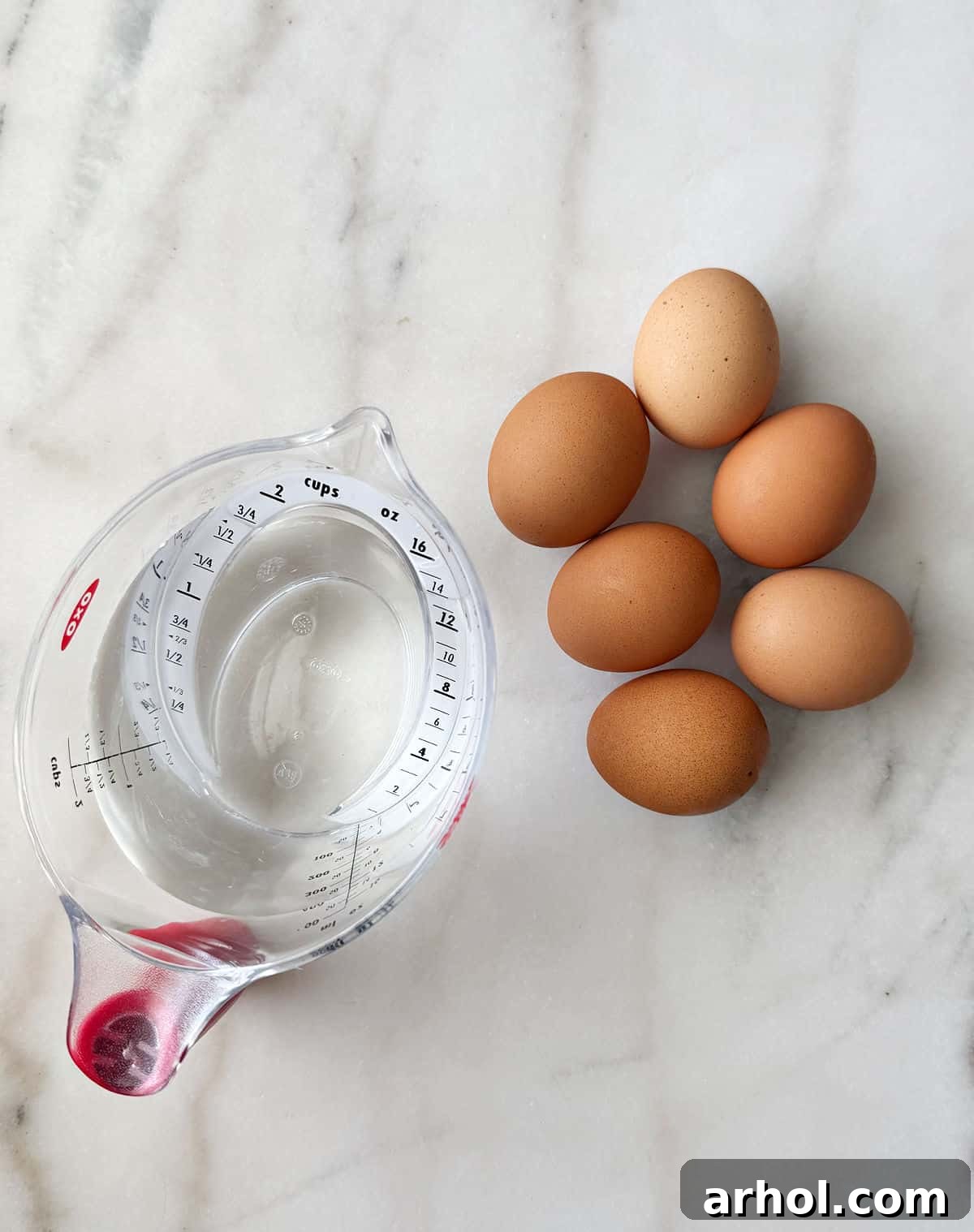
A few basic ingredients and a pot are all that’s required. Quantities and full instructions follow in the recipe section below.
- Eggs (large)
- Cold water
- Ice
How to Make Hard Boiled Eggs
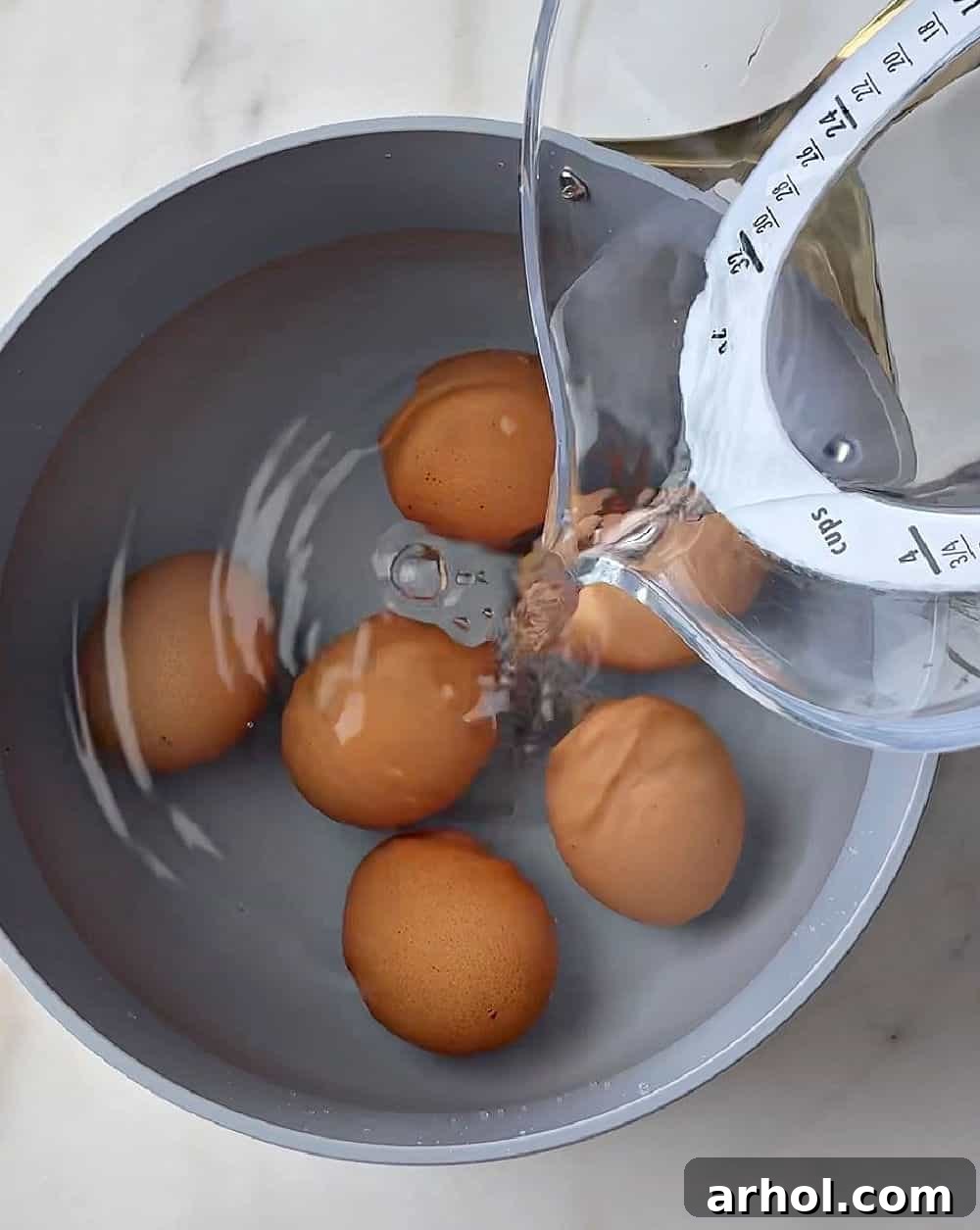
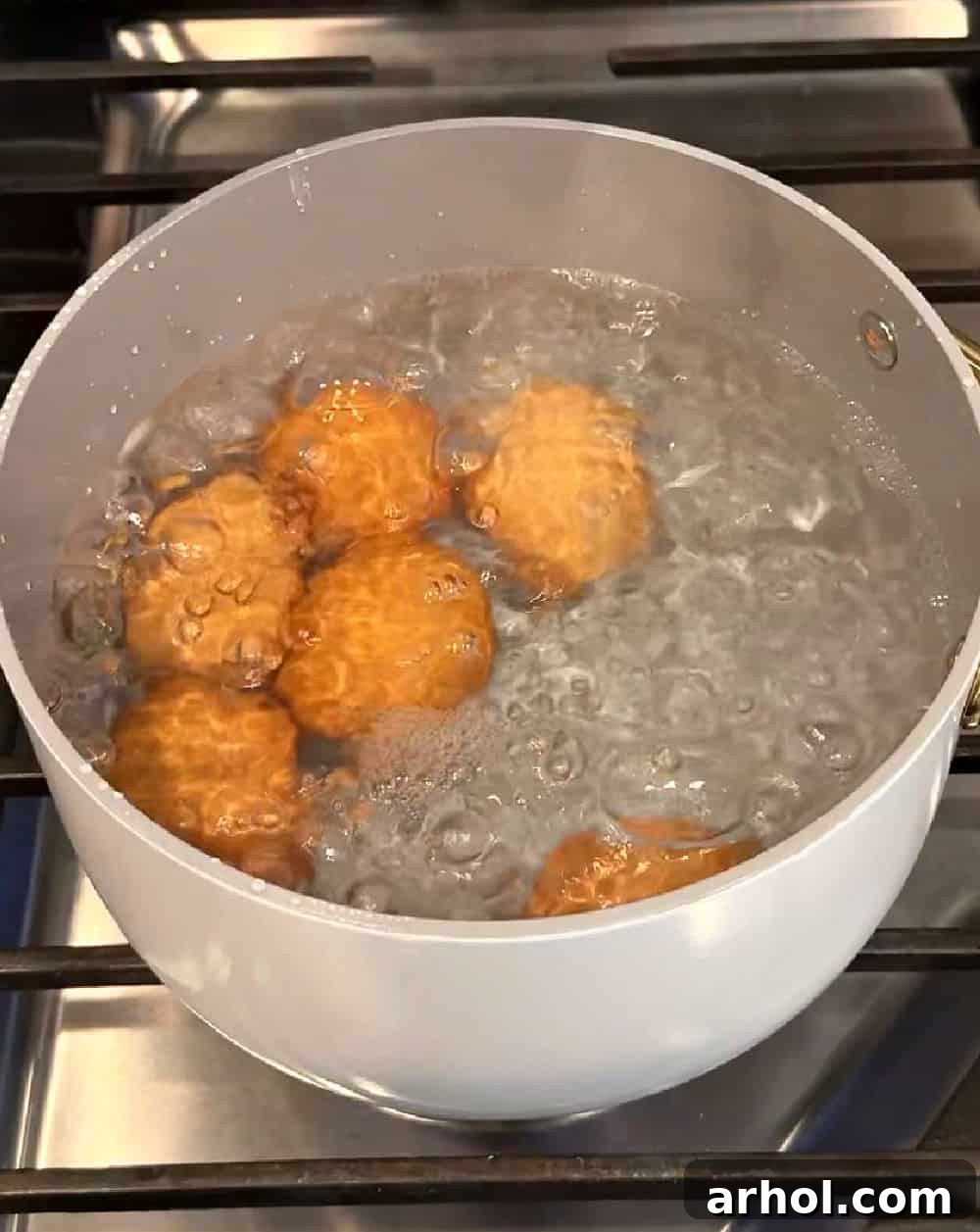
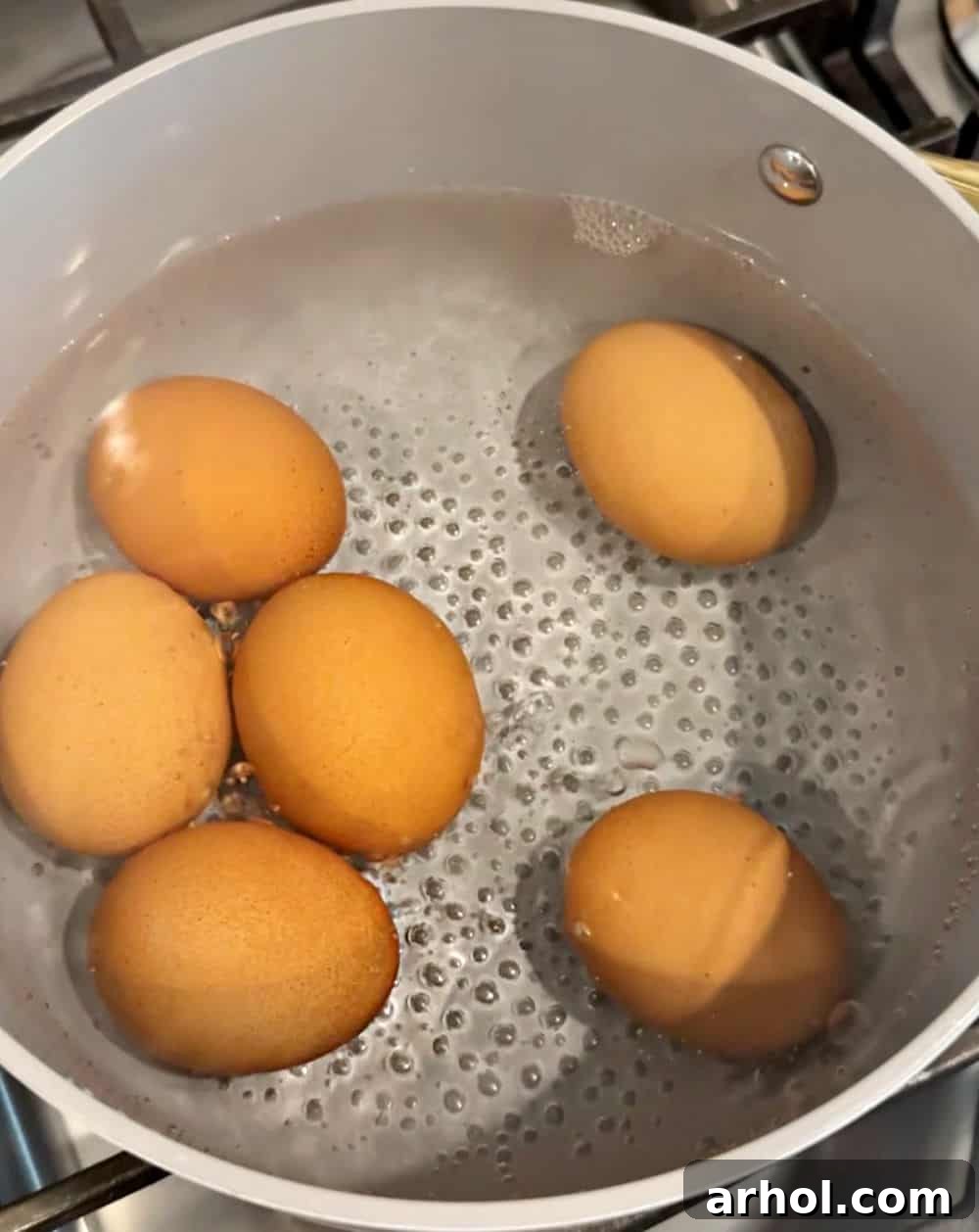
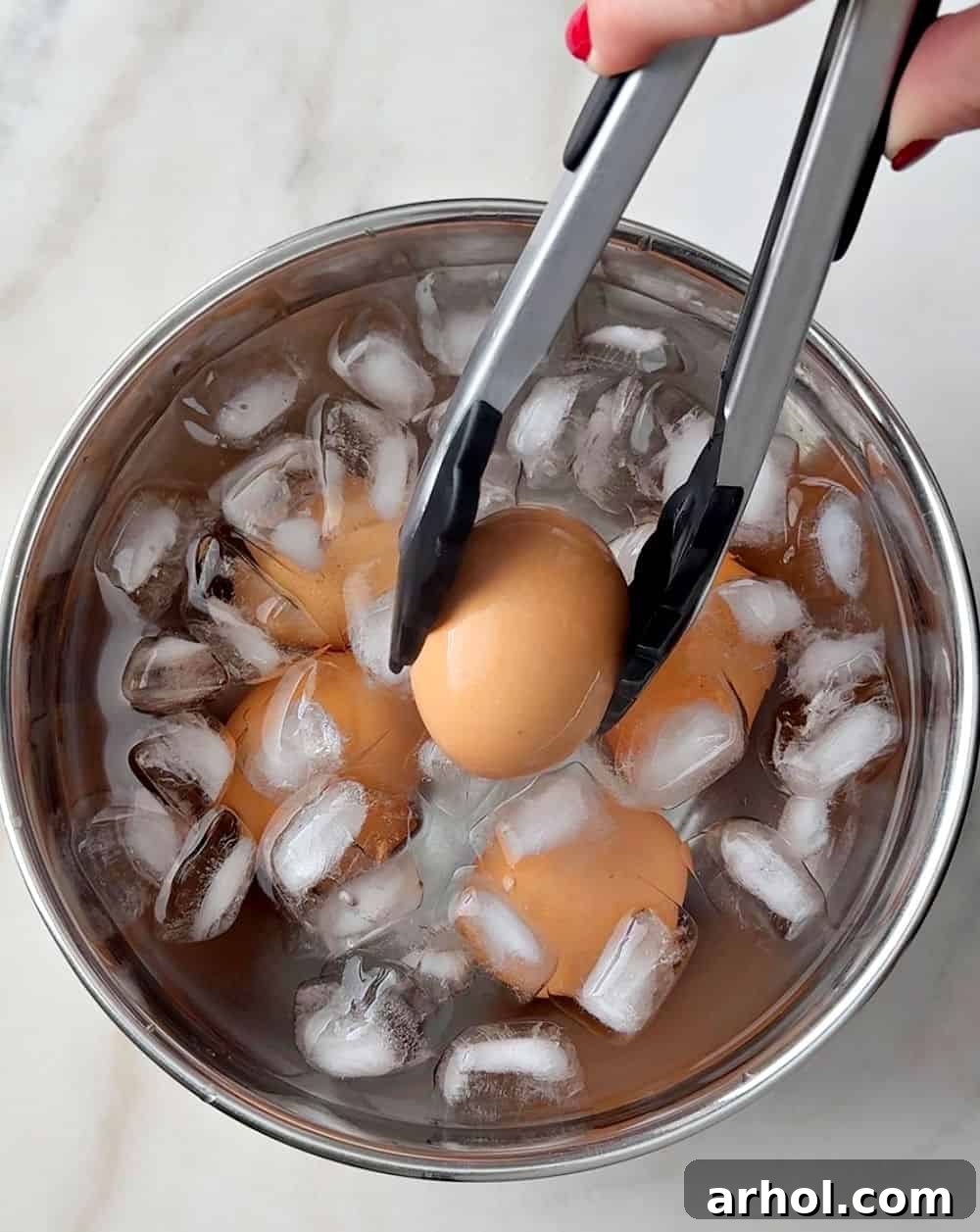
1. Place the eggs in a single layer in a pot. Add cold water to cover the eggs by about one inch. Cover the pot and bring the water to a rolling boil over medium heat. 2. As soon as the water reaches a boil, reduce the heat so the water is at a gentle simmer. Leave the lid slightly ajar to prevent the water from returning to a full boil. 3. Simmer the eggs for 12–15 minutes depending on how firm you prefer the yolks (12 minutes for slightly softer yolks, 15 minutes for fully firm yolks). 4. Remove the pot from the heat and immediately transfer the eggs to a large bowl of ice water. Let them chill for at least five minutes to stop the cooking and to make peeling easier. 5. Peel or store unpeeled in the refrigerator.
Quick Tips
Use just enough water to cover the eggs by about 1/2 to 1 inch—too much water takes longer to heat.
Keep the lid slightly open while simmering to avoid a rapid boil that can jostle and crack the eggs.
Never skip the ice bath: it stops the cooking immediately and makes peeling easier.
To peel, tap the egg gently on a hard surface, then roll it to loosen the shell. Start peeling from the wider end where the air pocket helps separate the membrane from the white.
How Long Do Boiled Eggs Last in the Fridge?
Hard-cooked eggs store well in the refrigerator for up to one week. You may keep them in their shells for best freshness, or peel them and place the peeled eggs in an airtight container. Labeling the container with the date helps you track freshness.
Ways to Use the Eggs
These eggs are versatile. Enjoy them simply with a sprinkle of salt and pepper, or use them in classic recipes like egg salad, potato salad, deviled eggs, or tuna salad. They also make a convenient protein boost for grain bowls, sandwiches, or packed lunches.
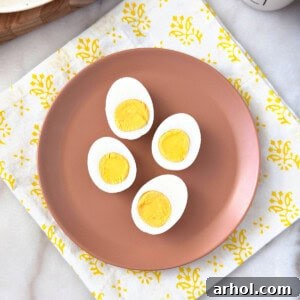
Perfect Hard Boiled Eggs
Ingredients
- 6 large eggs
- Cold water, enough to cover eggs by about 1 inch
- Ice for an ice bath
Instructions
- Place the eggs in a single layer in a pot.
- Add cold water until the eggs are covered by about 1 inch.
- Cover the pot and bring the water to a rolling boil over medium heat.
- As soon as the water boils, reduce heat to maintain a gentle simmer, leave the lid slightly ajar, and cook for 12–15 minutes depending on desired yolk firmness.
- Immediately transfer the eggs to a large bowl of ice water and chill for at least 5 minutes.
- Remove, peel if desired, and serve or store in the refrigerator.
Notes
If you prefer a slightly softer yolk, cook for 12 minutes. Keep an eye on the water so it doesn’t return to a vigorous boil—gentle simmering gives the best texture.
Nutrition (per egg)
Calories: 72 kcal, Carbohydrates: 0.4 g, Protein: 6 g, Fat: 5 g, Saturated Fat: 2 g, Cholesterol: 186 mg, Sodium: 71 mg, Potassium: 69 mg. Nutrition information is an approximation.
Additional Info
Course: Breakfast | Cuisine: American
For more easy recipes and tips, sign up for a free weekly newsletter to receive simple, dependable cooking ideas delivered to your inbox.

Enjoy your perfectly cooked eggs—whether you serve them warm for breakfast, sliced in a salad, or chilled as a snack on the go.