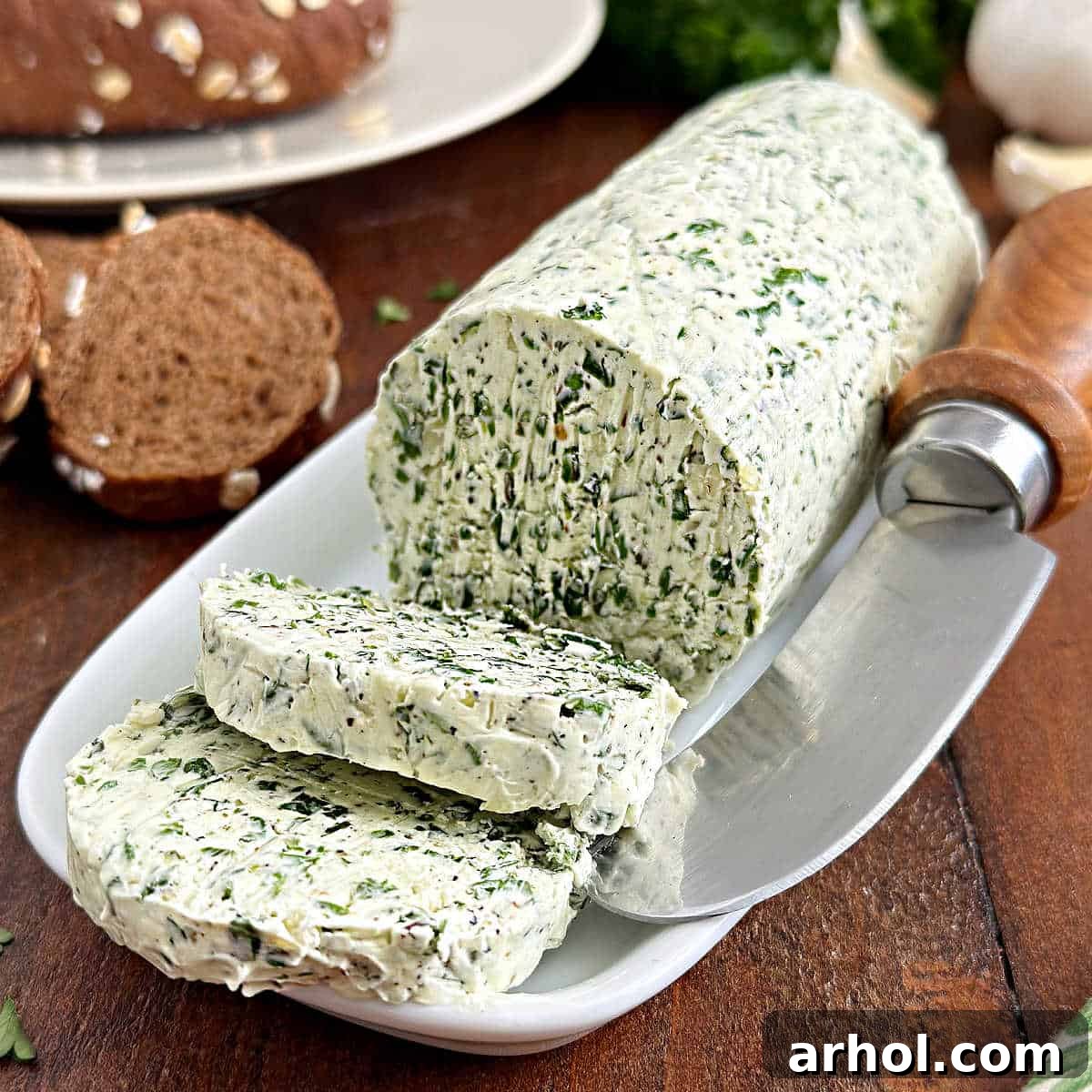
Mastering Homemade Herb Butter: An Easy Guide to Savory Compound Butter
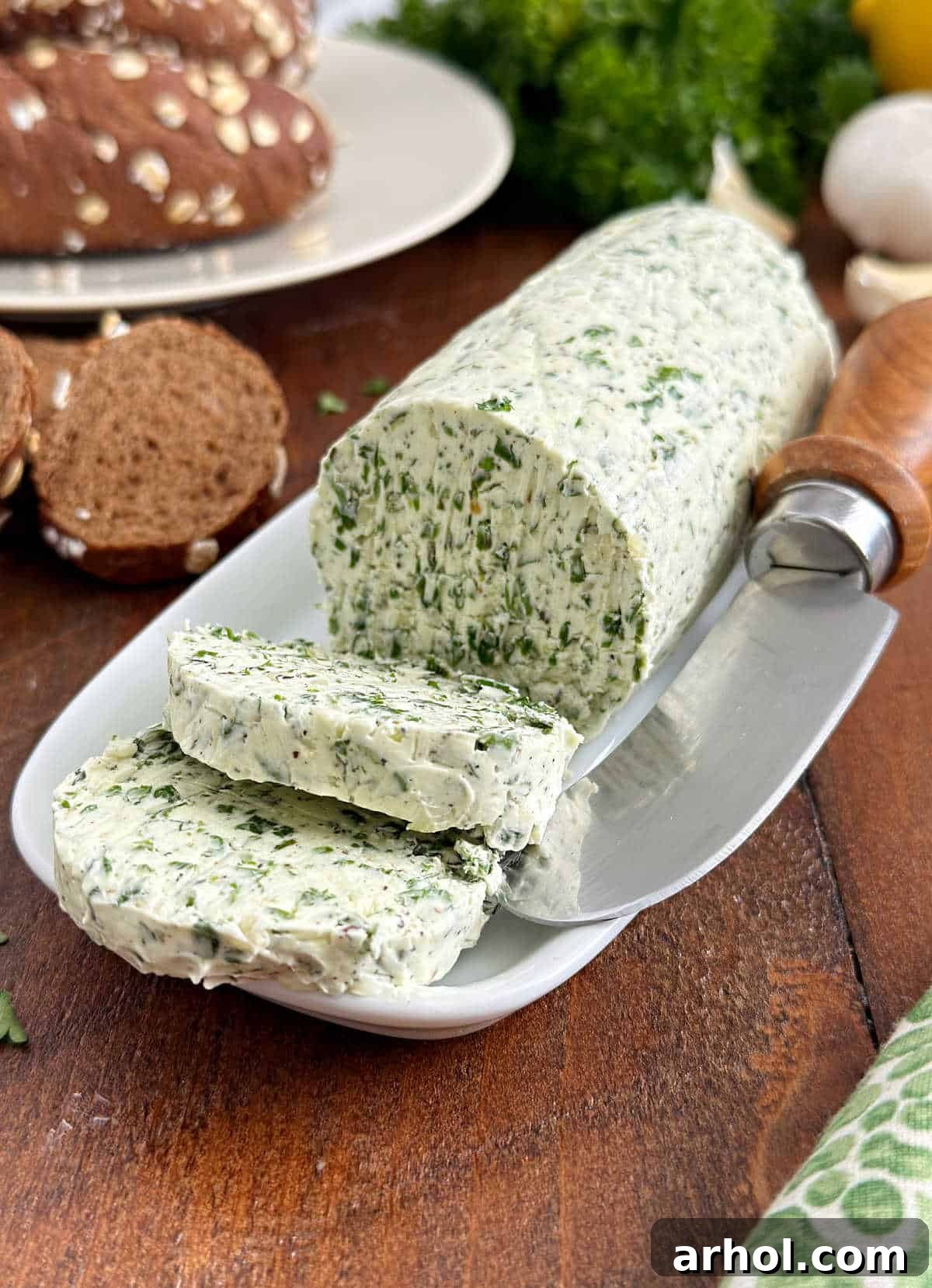
There’s nothing quite like the rich, aromatic flavor that homemade herb butter adds to a meal. This easy recipe allows you to create exquisite savory compound butter infused with the vibrant taste of fresh herbs and pungent garlic. It’s a culinary secret weapon, perfect for elevating everything from a simple weeknight dinner to a gourmet feast. Imagine slathering it over a sizzling steak, melting it into tender roasted chicken, tossing it with hot pasta, or simply spreading it on a warm slice of artisanal bread. The possibilities are endless, and the process is surprisingly straightforward.
The journey to crafting our signature herb butter began last summer, sparked by a desire to infuse more flavor into our Blackstone steaks. What started as a simple experiment quickly transformed into a staple in our kitchen, making its way into countless beloved dishes. The difference that fresh herbs bring to butter is truly remarkable, transforming an everyday ingredient into something extraordinary. This flavored butter, often referred to as compound butter, is simply butter enhanced with additional ingredients. If you’ve never ventured into making your own, now is the perfect moment to discover how effortlessly you can create this culinary delight!
Once you’ve mastered this savory version, why not try this easy honey butter recipe for a sweet treat?
Why You’ll Love This Easy Herb Butter Recipe

Making your own compound herb butter is a rewarding experience that offers numerous benefits:
- Effortless Freshness: It’s an excellent method for utilizing an abundance of fresh herbs from your garden or those lingering leftovers from other recipes. Say goodbye to wilted herbs and hello to a flavorful creation!
- Unbeatable Flavor Profile: Our recipe incorporates a delightful combination of fresh and dried herbs, along with a hint of lemon juice. This thoughtful blend creates a bright, balanced, and complex flavor that store-bought options simply can’t match. The fresh lemon acts as a natural brightener, lifting the savory notes of the herbs and garlic.
- Cost-Effective & Customizable: Crafting your own herb butter at home is significantly more economical than purchasing gourmet versions. Plus, it gives you complete control over the ingredients, allowing you to tailor the flavors precisely to your preferences and avoid any unwanted additives.
- Versatile Culinary Enhancer: From main courses to simple sides, this herb butter instantly elevates any dish. It adds a layer of richness and a burst of herbaceous goodness that makes every bite memorable.
- Simple Preparation: Despite its gourmet appeal, this recipe is incredibly easy to follow, requiring minimal effort and basic kitchen tools. You’ll be amazed at how quickly you can transform humble ingredients into a luxurious condiment.
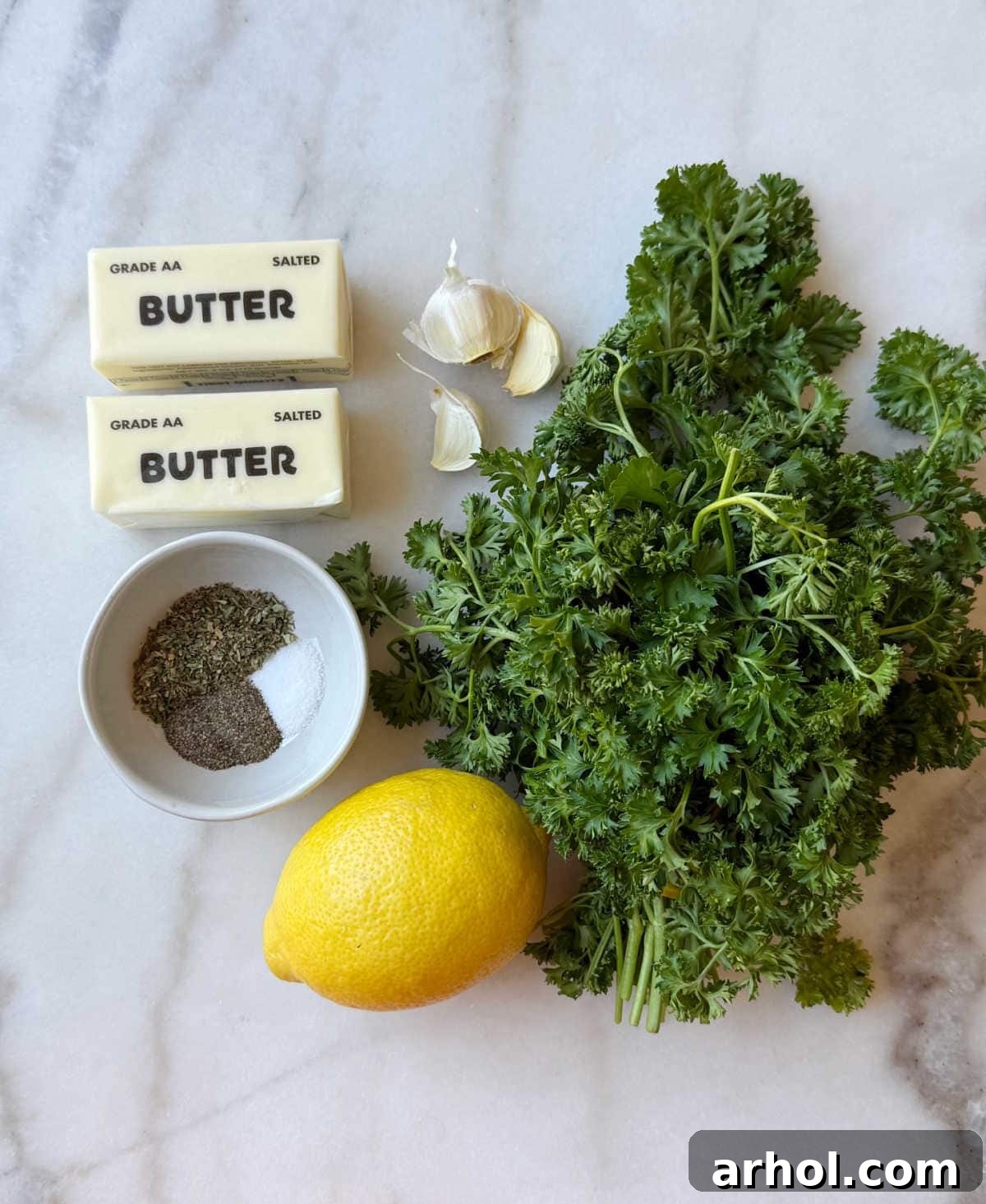
Essential Ingredients for Perfect Garlic Herb Butter
Creating exceptional herb butter starts with high-quality ingredients. The beauty of this recipe lies in its simplicity, requiring just a few components to build incredible flavor. Here’s a closer look at what you’ll need, with full amounts detailed in the printable recipe card below:
- Butter: The foundation of our compound butter. You can use either salted or unsalted butter. If using salted butter, you might want to slightly reduce the added sea salt later. Unsalted butter offers more control over the final sodium content and allows the delicate herb flavors to shine. For an even more homemade touch, consider using homemade butter. Ensure your butter is softened to room temperature – this is crucial for achieving a smooth, well-incorporated texture. Cold butter will result in a lumpy, difficult-to-mix consistency.
- Fresh Herbs (Parsley): Freshness is key here! Our primary herb is parsley, known for its bright, clean, and slightly peppery flavor. Flat-leaf parsley (Italian parsley) is generally preferred over curly parsley for its more robust flavor and easier chopping. While parsley forms the base, feel free to experiment with other fresh herbs like chives, dill, cilantro, or a combination.
- Garlic Cloves: Fresh garlic provides an aromatic depth that powdered garlic simply cannot replicate. Finely mincing the garlic ensures its flavor is evenly distributed throughout the butter without overwhelming the herbs. The pungency of fresh garlic truly elevates the savory profile.
- Lemon Juice: A squeeze of fresh lemon juice is a game-changer. It adds a subtle brightness and acidity that cuts through the richness of the butter, enhancing all the other flavors. Always opt for fresh lemon juice for the best results; bottled juice often contains preservatives that can alter the taste. You can also add a pinch of lemon zest for an even more intense citrus aroma.
- Seasonings (Italian Seasoning, Black Pepper, Sea Salt):
- Italian Seasoning: This blend typically includes dried basil, oregano, rosemary, thyme, and marjoram, providing a convenient way to add complex, aromatic undertones. If you don’t have Italian seasoning, you can use individual dried herbs from this list.
- Black Pepper: Freshly ground black pepper adds a subtle warmth and a gentle bite.
- Sea Salt: Essential for enhancing all the flavors. Start with a quarter teaspoon and adjust to taste, especially if you’re using salted butter.
How to Craft Your Own Herb Butter: A Step-by-Step Guide
Making your own herb butter is a simple yet satisfying process. Follow these easy steps to achieve a perfectly blended, flavorful compound butter that will impress everyone.
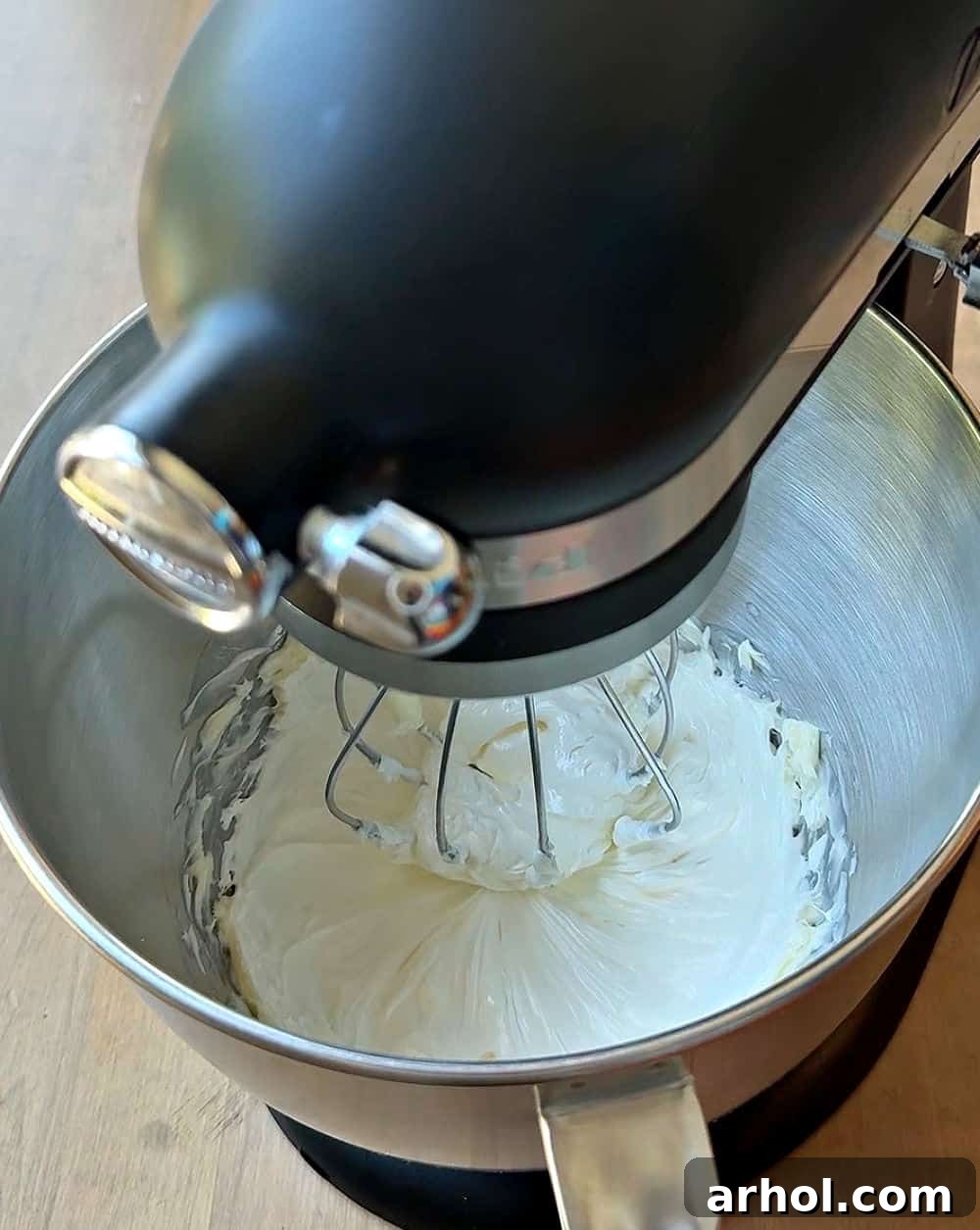
- Whip the Butter: Begin by placing your completely softened butter into the bowl of a stand mixer fitted with the whisk attachment, or use a large mixing bowl with a hand mixer. Whip the butter on medium-high speed for about 8-10 minutes. The goal is to achieve a pale, fluffy, and noticeably increased volume, essentially incorporating air into the butter. This aeration makes the final product incredibly light and spreadable.
- Prepare Your Herbs and Garlic: While the butter is whipping, finely chop your fresh parsley. The finer the chop, the more evenly the flavor will distribute. Mince your fresh garlic cloves to a paste-like consistency. Precision here ensures every bite of butter carries a balanced flavor.
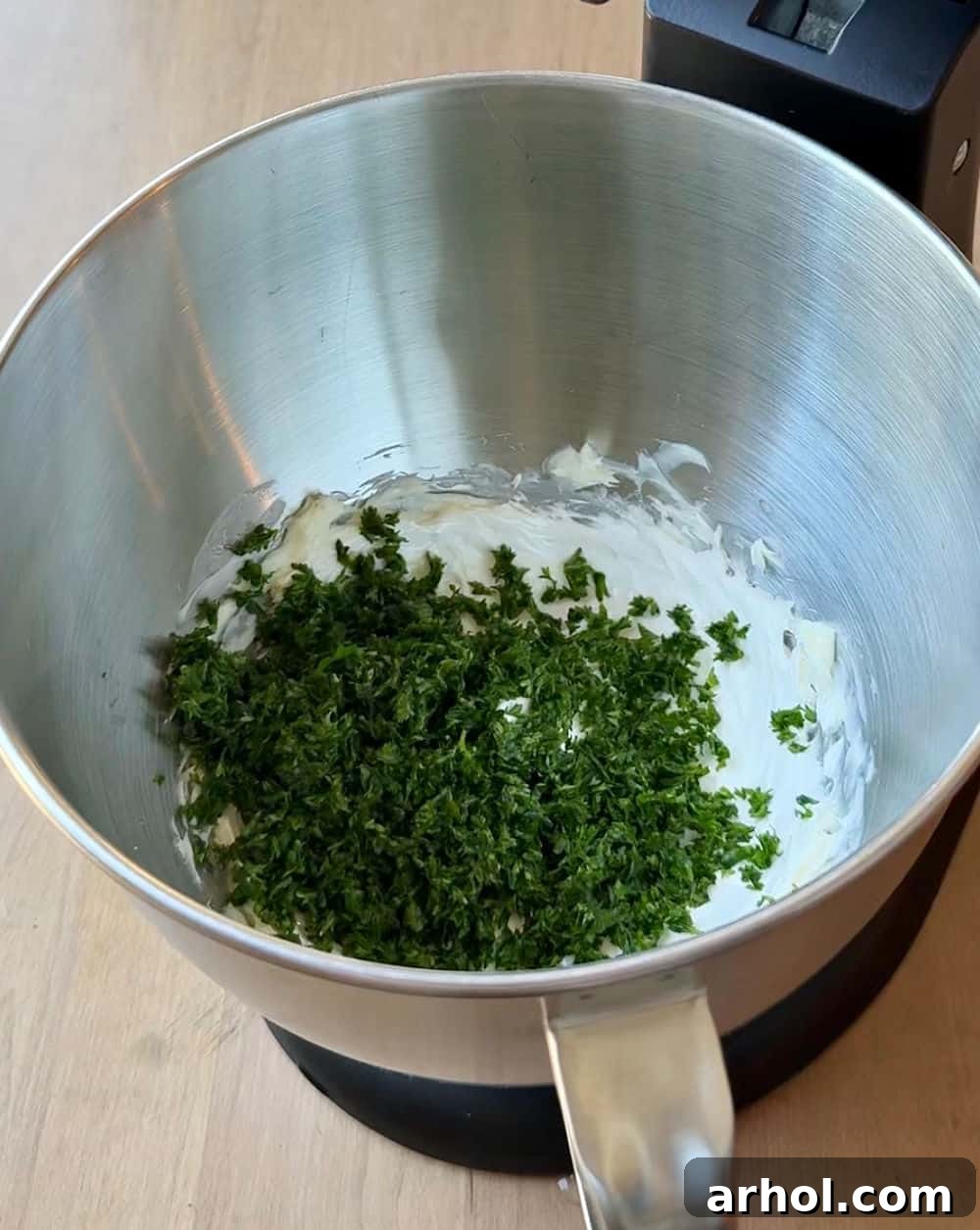
- Combine Fresh Herbs: Once your butter is light and fluffy, reduce the mixer speed to low. Add the finely chopped parsley to the whipped butter. Mix until the parsley is fully incorporated and evenly distributed throughout the butter, ensuring no clumps remain.
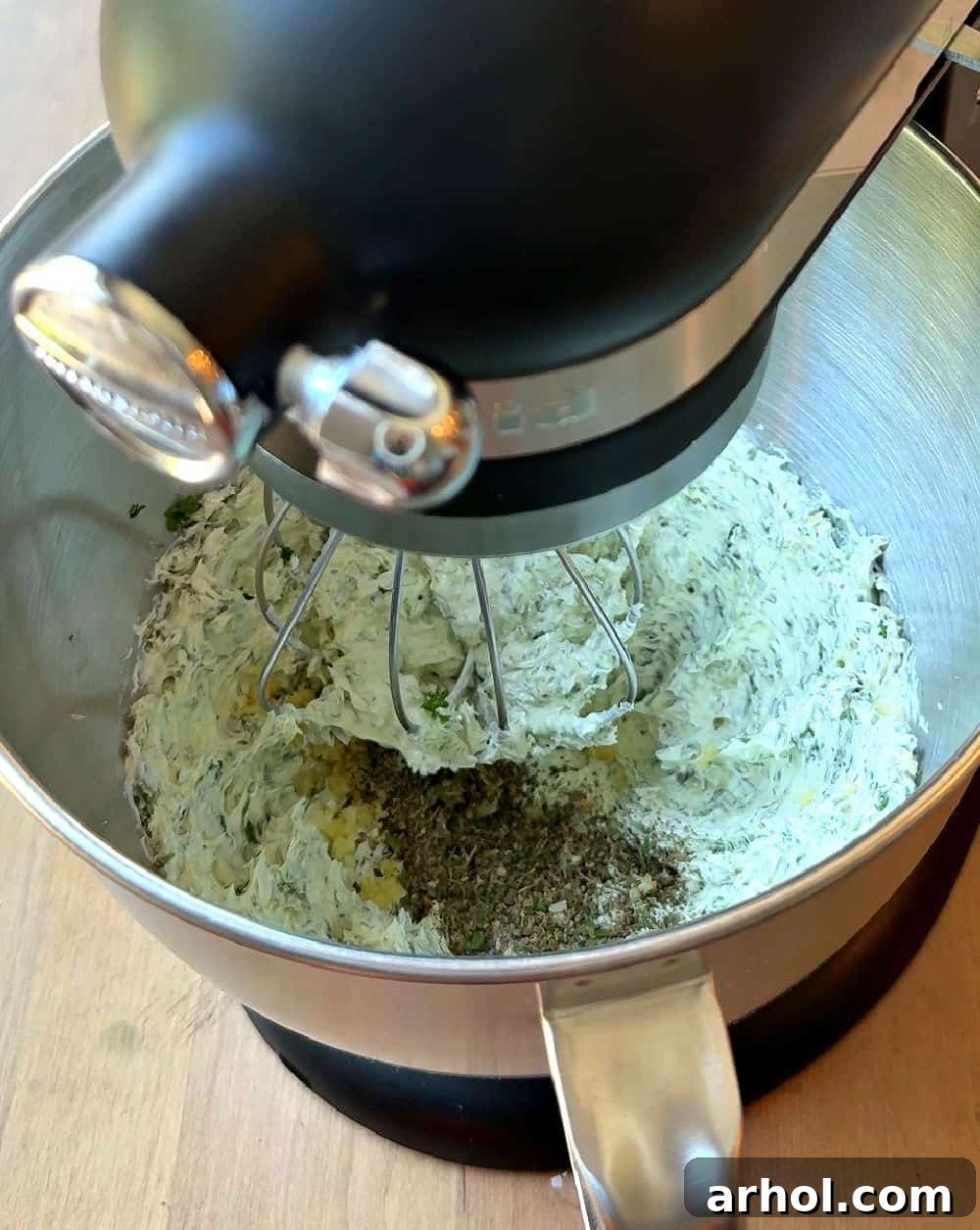
- Introduce Savory Spices: Next, add the minced garlic cloves, sea salt, black pepper, and Italian seasoning to the butter mixture. Continue to mix on low speed until all these savory ingredients are well blended. Scrape down the sides of the bowl as needed to ensure everything is thoroughly combined.
- Add the Bright Citrus: Finally, pour in the fresh lemon juice. Mix briefly, just until the lemon juice is fully incorporated. Overmixing at this stage isn’t necessary. The butter should now be a beautiful pale green hue, bursting with aromatic potential.
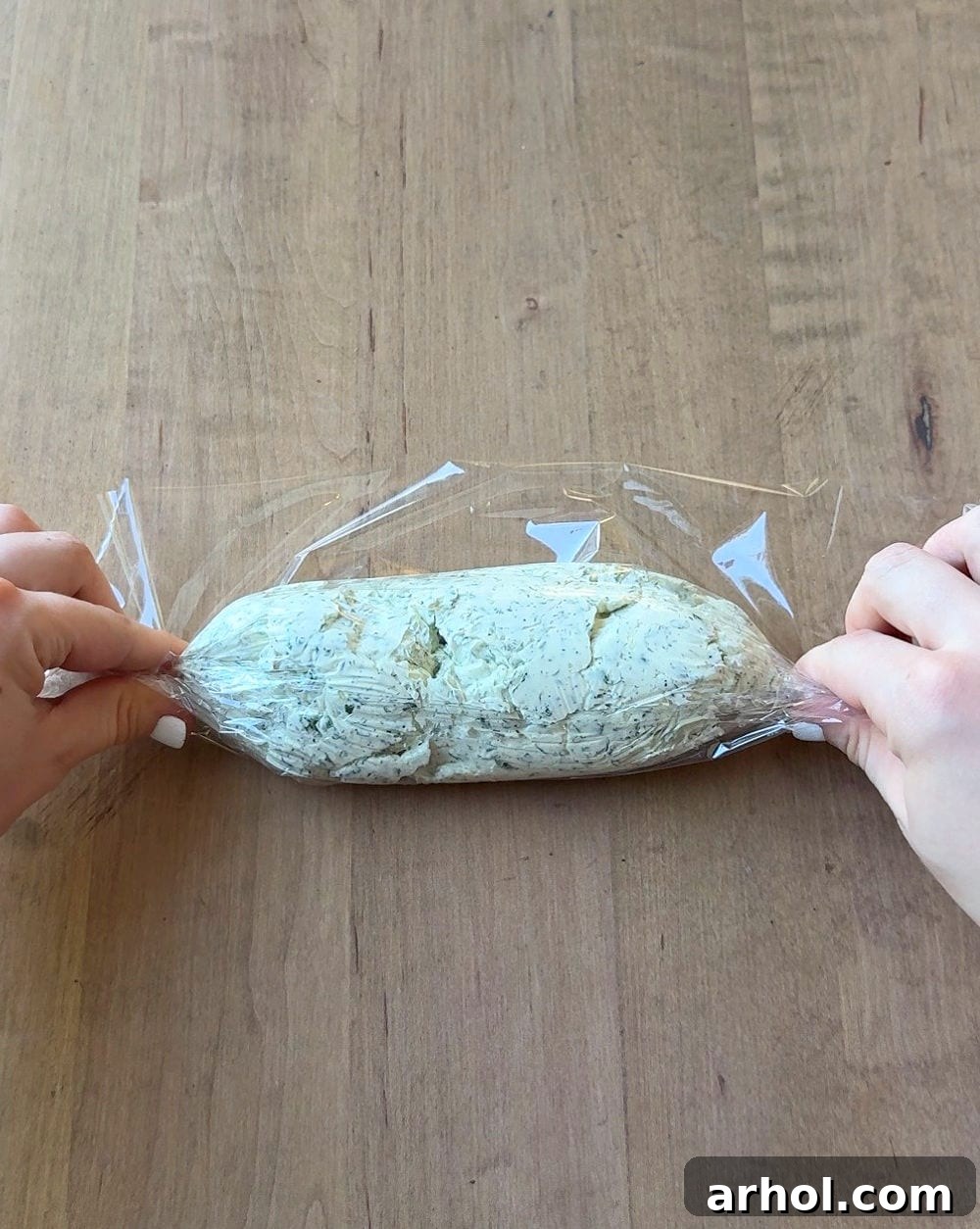
- Shape and Chill: Lay out a piece of plastic wrap or parchment paper on a clean surface. Using a spatula, spoon the compounded butter onto the center of the wrap, shaping it into a log. Tightly roll the plastic wrap around the butter, twisting both ends to secure it, much like a candy wrapper. This log shape makes for easy slicing later.
- Refrigerate: Transfer the wrapped butter log to the refrigerator. Chill for at least 2 hours, or until it becomes firm enough to slice easily. This chilling period allows the flavors to meld and the butter to regain its solid consistency.
Quick Tip for Herb Preparation
For incredibly fine and consistent chopping of parsley (or other fresh herbs), we highly recommend using a food processor. A few quick pulses will get the job done efficiently. However, a sharp chef’s knife and a steady hand work just as well if you prefer the traditional method.
Unleash the Flavor: Our Favorite Ways to Use Herb Butter
This savory herb butter is incredibly versatile and can transform ordinary meals into gourmet experiences. Here are some of our tried-and-true methods for enjoying its rich flavor:
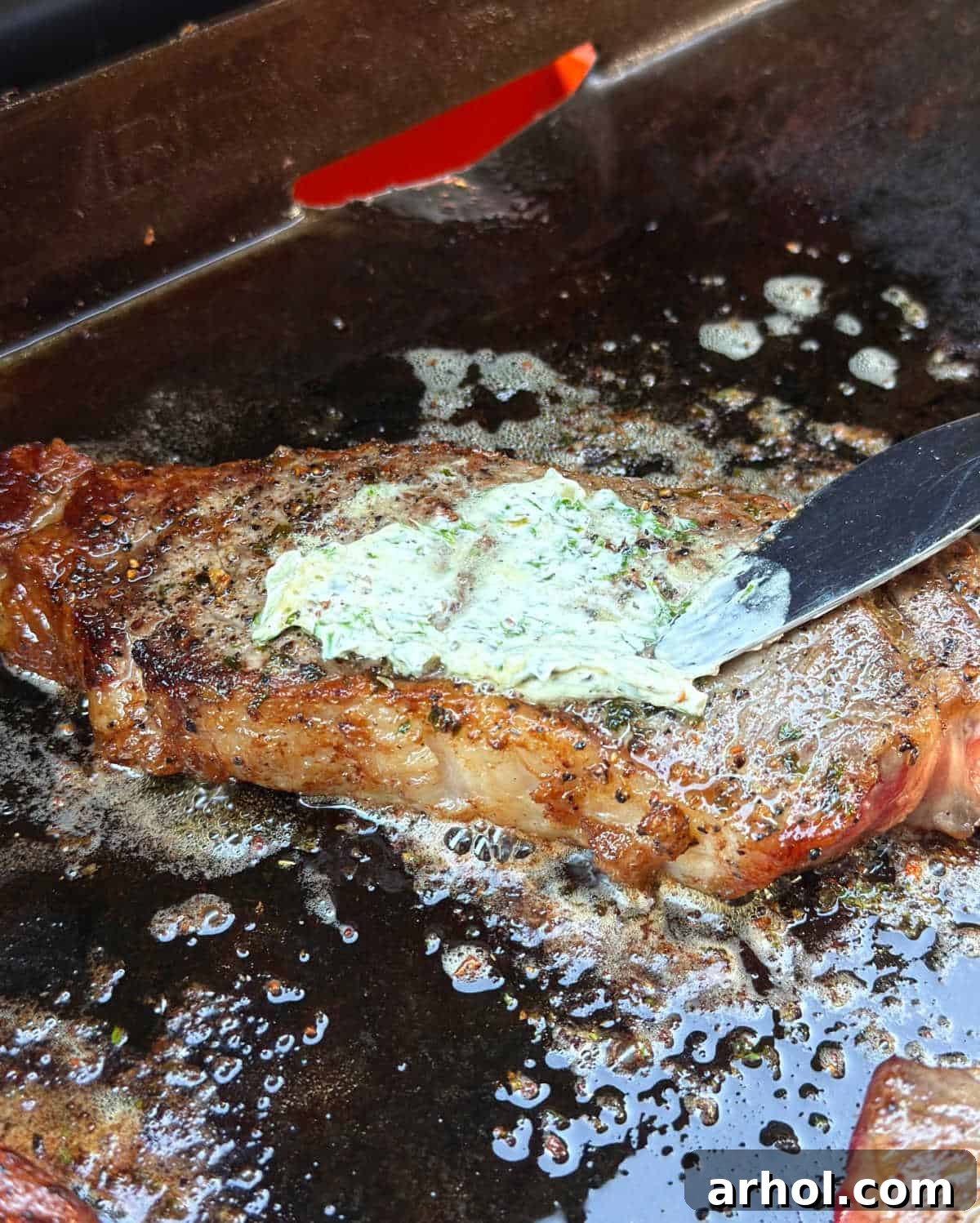
- Elevate Meats: A dollop of this flavored butter melts beautifully over hot, freshly cooked meats. It’s truly exceptional on grilled steak, grilled chicken, or roast chicken. The butter bastes the meat, infusing it with garlic and herb goodness, creating a succulent finish. Try tucking a pat under the skin of a chicken before roasting for deeply flavored meat.
- Perfect Pasta Companion: Toss a tablespoon or two of herb butter with warm pasta for an instant, simple, and flavorful sauce. It adds a luxurious sheen and a burst of herbaceous flavor without needing many other ingredients. It’s especially good with angel hair or linguine.
- Vegetable Enhancer: Take your vegetables to the next level! Melt herb butter over steamed green beans or asparagus, stir it into mashed potatoes for extra richness, or spread it on corn on the cob. It also works wonders tossed with roasted root vegetables like carrots and parsnips.
- Breakfast Brilliance: A small amount of this butter can revolutionize your morning routine. Melt it in the pan before scrambling eggs or whisk it into your scrambled eggs for a flavorful kick. It’s also fantastic for frying up breakfast potatoes or omelets.
- Bread’s Best Friend: There’s almost nothing better than warm bread slathered with herb butter. It’s absolutely amazing on homemade bread, crusty dinner rolls, or a hot baked potato. Make quick garlic bread by spreading it on sliced baguette and toasting.
- Gourmet Appetizer: For a chic appetizer, create a “butter board.” Spread softened herb butter artfully on a serving board, then drizzle with honey or olive oil, sprinkle with flaky sea salt, and garnish with extra fresh herbs, edible flowers, or roasted nuts. Serve with crusty bread for dipping.
Creative Variations and Customizations
The beauty of compound butter lies in its adaptability. While our core recipe is a winner, don’t hesitate to personalize it. Here are some ideas to inspire your own unique herb butter creations:
- Experiment with Herb Blends: Feel free to use your favorite herbs or create unique blends. Beyond parsley, excellent choices include tarragon (wonderful with chicken and fish), thyme (robust and earthy), rosemary (ideal for lamb and potatoes), basil (for an Italian flair), dill (great with salmon and vegetables), chives (mild oniony flavor), or oregano. Mix and match to find your perfect combination!
- Spice It Up: Add a pinch of cayenne pepper or red pepper flakes for a subtle heat, or smoked paprika for a smoky depth. A touch of onion powder or garlic powder can intensify the allium flavor (though fresh is always preferred!).
- Citrus Zest: For an even brighter flavor, incorporate the zest of a lemon or lime along with the juice. The zest contains essential oils that impart a more intense citrus aroma.
- Savory Add-ins: Consider finely chopped shallots, sun-dried tomatoes (oil-packed, drained, and minced), capers, or even a hint of anchovy paste for an umami boost. Grated Parmesan cheese can also be a delicious addition, especially for pasta applications.
- Sweet Compound Butters: While this recipe is savory, the concept of compound butter extends to sweet versions too! Think honey butter, cinnamon sugar butter, or orange zest butter for breakfast items, pancakes, or pastries.
- Alternative Shaping Methods: If you don’t want to wrap the butter into a log, you can simply transfer the compounded butter into a small, attractive bowl or ramekin and cover it. Alternatively, use decorative butter molds for fancy shapes, especially for holiday gatherings or special occasions. We often use this method to make savory “lamb butter” around Easter.
Storage and Preservation Tips for Your Herb Butter
Once you’ve made a batch of this delicious herb butter, proper storage is key to maintaining its freshness and flavor. Here’s how to ensure it lasts:
- Refrigeration: Store your herb butter in an airtight container or tightly wrapped in plastic wrap (if already formed into a log) in the refrigerator. When stored correctly, it will keep fresh for 1 to 2 weeks. The airtight seal prevents it from absorbing other odors in your fridge and preserves its vibrant taste.
- Freezing for Long-Term Storage: For extended freshness, herb butter freezes beautifully. It can be stored in the freezer for up to 3 months without significant loss of flavor. For convenience, we highly recommend slicing the butter log into individual portions (about 1-tablespoon rounds) before freezing. Arrange the slices on a parchment-lined baking sheet, freeze until solid, then transfer the frozen slices to a freezer-safe bag or container. This way, you can easily grab just the amount you need for a single serving, without having to thaw the entire batch.
- Thawing: When ready to use frozen herb butter, simply remove the desired amount from the freezer and let it thaw in the refrigerator for a few hours, or at room temperature for about 30 minutes, until it reaches your preferred consistency.
- Signs of Spoilage: Always inspect your butter before use. Discard if you notice any off odors, discoloration, or signs of mold.
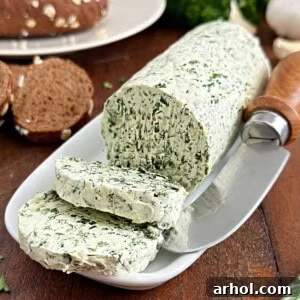
Easy Herb Butter
Ingredients
- 1 cup butter softened to room temperature
- ½ bunch parsley finely chopped
- 2 cloves fresh garlic finely minced
- ¼ teaspoon sea salt
- ½ teaspoon black pepper
- 1 teaspoon Italian seasoning
- ½ lemon juiced, about ¼ cup
Instructions
-
In a stand mixer or large mixing bowl, whip the softened butter until pale in color, fluffy and doubled in size. This will take about 10 minutes.
-
Add in the parsley, and mix until fully combined.
-
Mix in the minced garlic cloves, salt, pepper and Italian seasoning.
-
Add lemon juice, and mix until fully combined.
-
Spoon butter into a log shape on top of plastic wrap or parchment paper and roll tightly.
-
Store in refrigerator until ready to serve.
Video
Notes
Save time and use a food processor to quickly chop parsley fine enough.
If you do not want to shape the herb butter, just transfer it to a small bowl and cover.
Nutrition
Nutrition information is automatically calculated, so should only be used as an approximation.
Additional Info
Frequently Asked Questions About Herb Butter
Here are answers to some common questions about making and using this delicious compound butter:
- What exactly is compound butter? Compound butter, also known as flavored butter, is simply butter that has been softened and then blended with additional ingredients, such as herbs, spices, garlic, citrus zest, or other savory or sweet components. It’s an easy way to infuse butter with custom flavors to enhance various dishes.
- Can I use dried herbs instead of fresh ones? While fresh herbs provide the best flavor and vibrant color, you can substitute dried herbs if fresh ones aren’t available. A general rule of thumb is to use one-third the amount of dried herbs compared to fresh (e.g., if the recipe calls for 1 tablespoon of fresh herbs, use 1 teaspoon of dried herbs). Keep in mind that dried herbs have a more concentrated flavor, so start with less and add more if needed.
- How long does homemade herb butter last? When stored properly in an airtight container in the refrigerator, homemade herb butter typically lasts for 1 to 2 weeks. If frozen, it can maintain its quality and flavor for up to 3 months.
- What’s the best way to soften butter for this recipe? The ideal way is to leave it at room temperature for about 30-60 minutes until it’s pliable but still cool. If you’re short on time, you can cut the butter into smaller pieces to speed up the process. Avoid melting it in the microwave, as this can affect its texture for whipping.
- Can I make this dairy-free? Absolutely! You can easily make a dairy-free version by substituting the regular butter with your favorite plant-based butter alternative. Ensure the alternative butter is also softened to room temperature for optimal whipping and blending.
Final Thoughts on Crafting Your Signature Herb Butter
This easy herb butter recipe is more than just a condiment; it’s a gateway to elevating your everyday cooking with minimal effort and maximum flavor. The satisfaction of creating something so delicious and versatile from scratch is truly unmatched. Whether you’re aiming to impress guests with a gourmet steak or simply looking to add a fresh, vibrant touch to your weekday meals, this homemade compound butter is your answer.
So, gather your fresh herbs, soften that butter, and get ready to transform your kitchen into a haven of aromatic delights. Don’t be afraid to experiment with different herb combinations and spices to truly make this recipe your own. Your taste buds will thank you!
For more simple and delicious recipes, be sure to sign up for our free weekly newsletter or follow us on your favorite social media channels. Happy cooking!